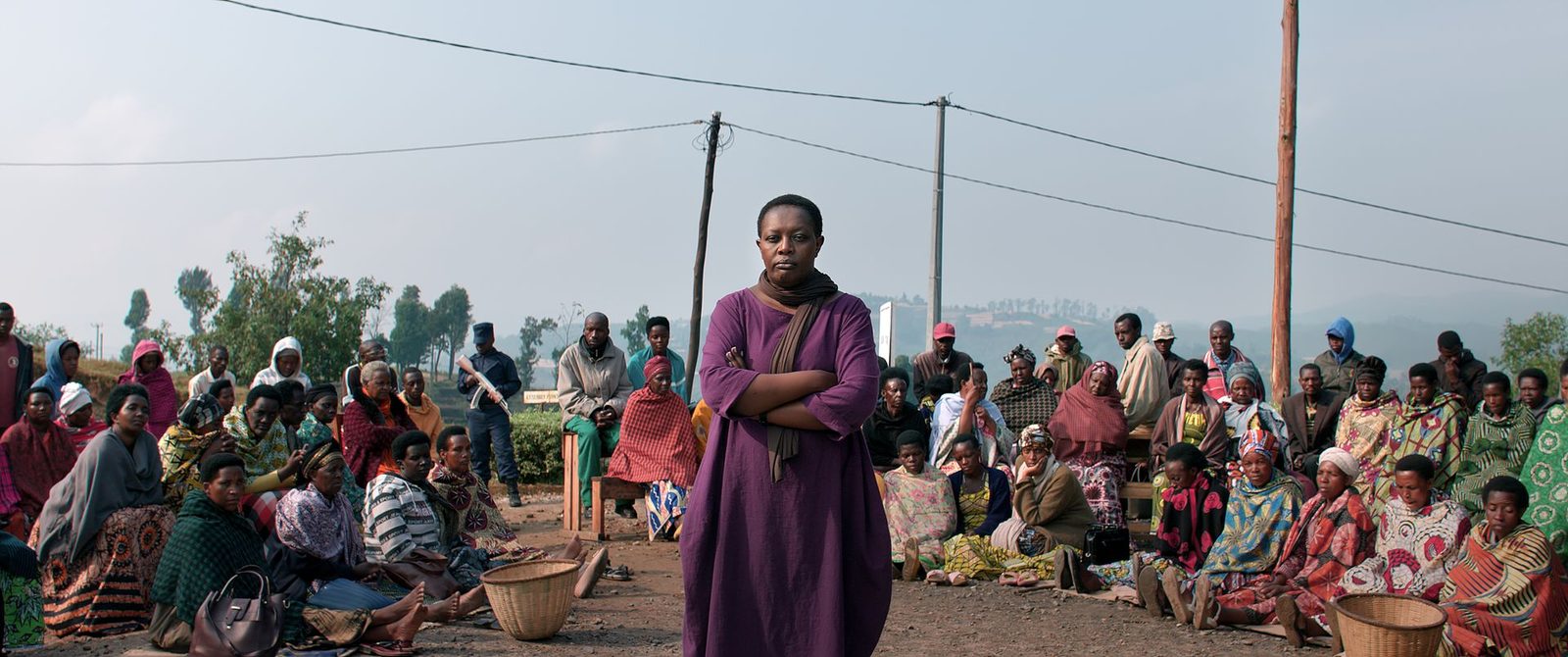
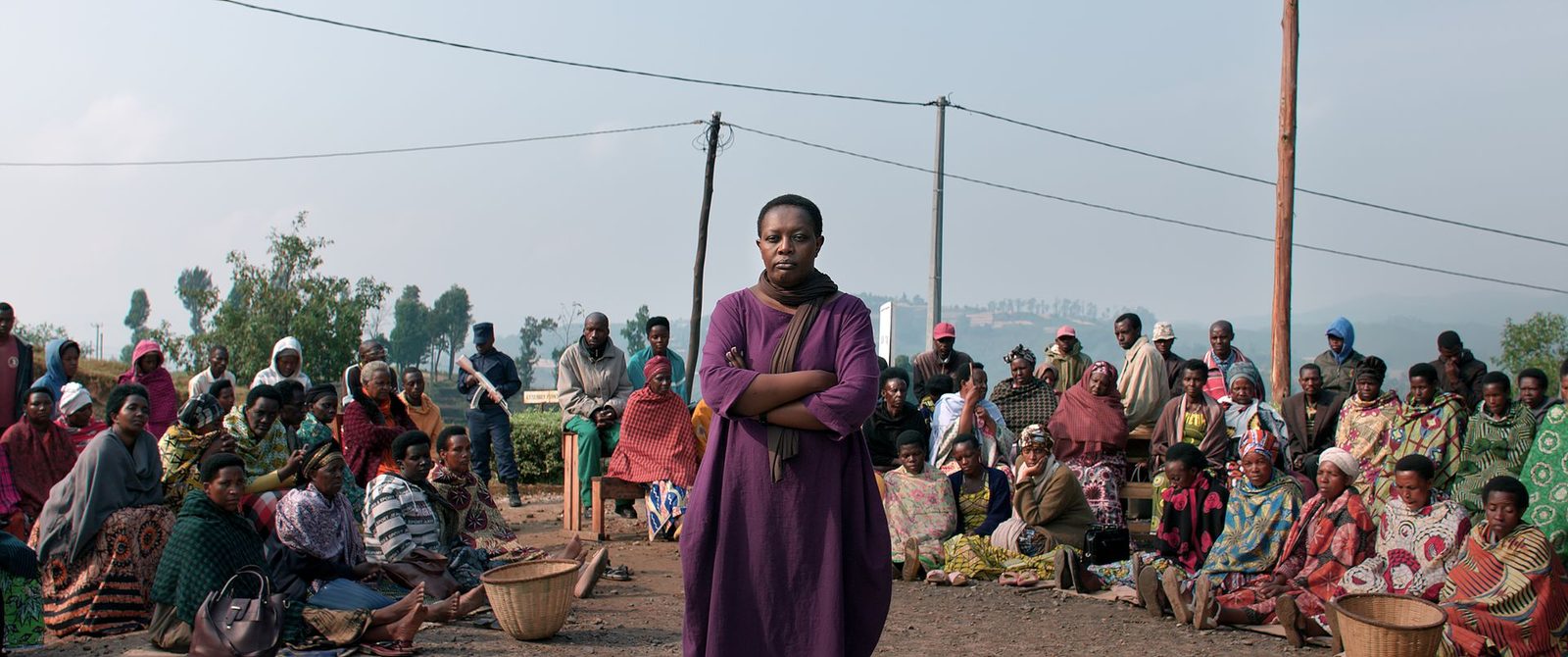
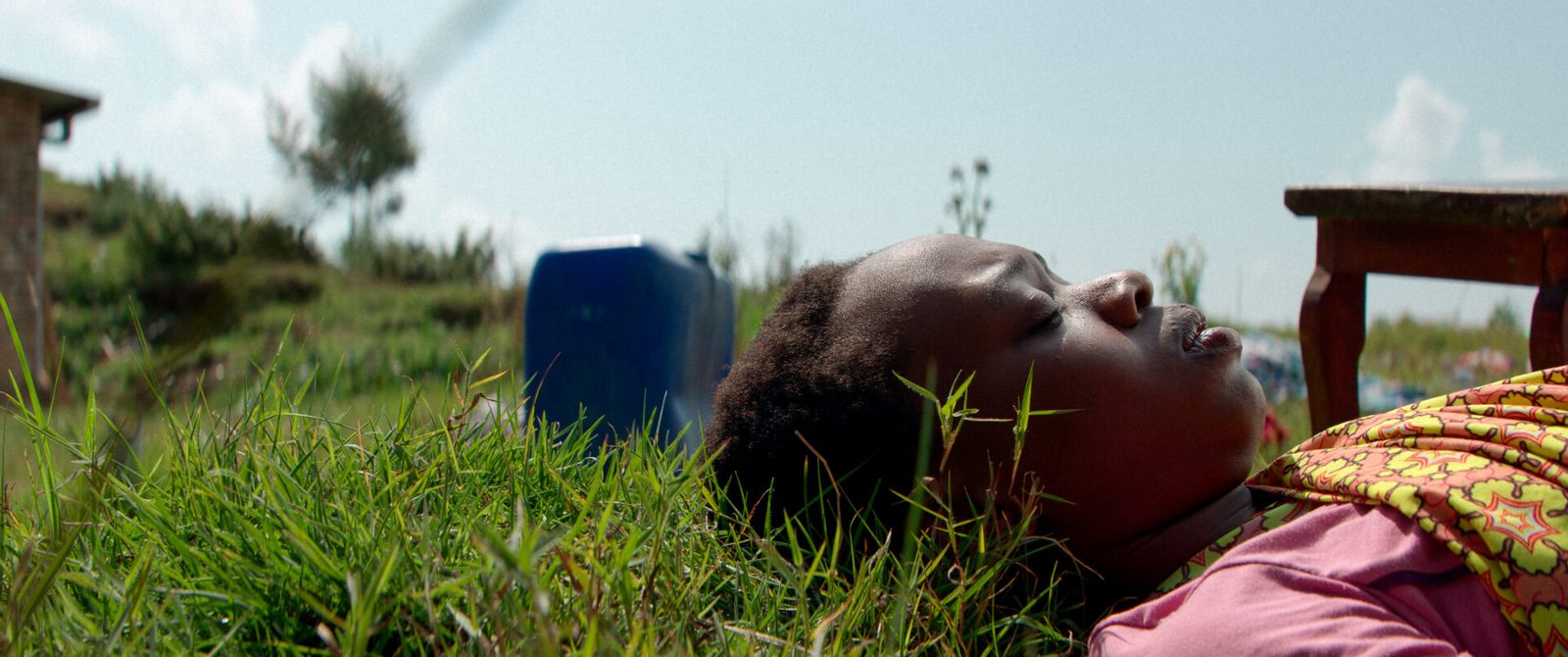
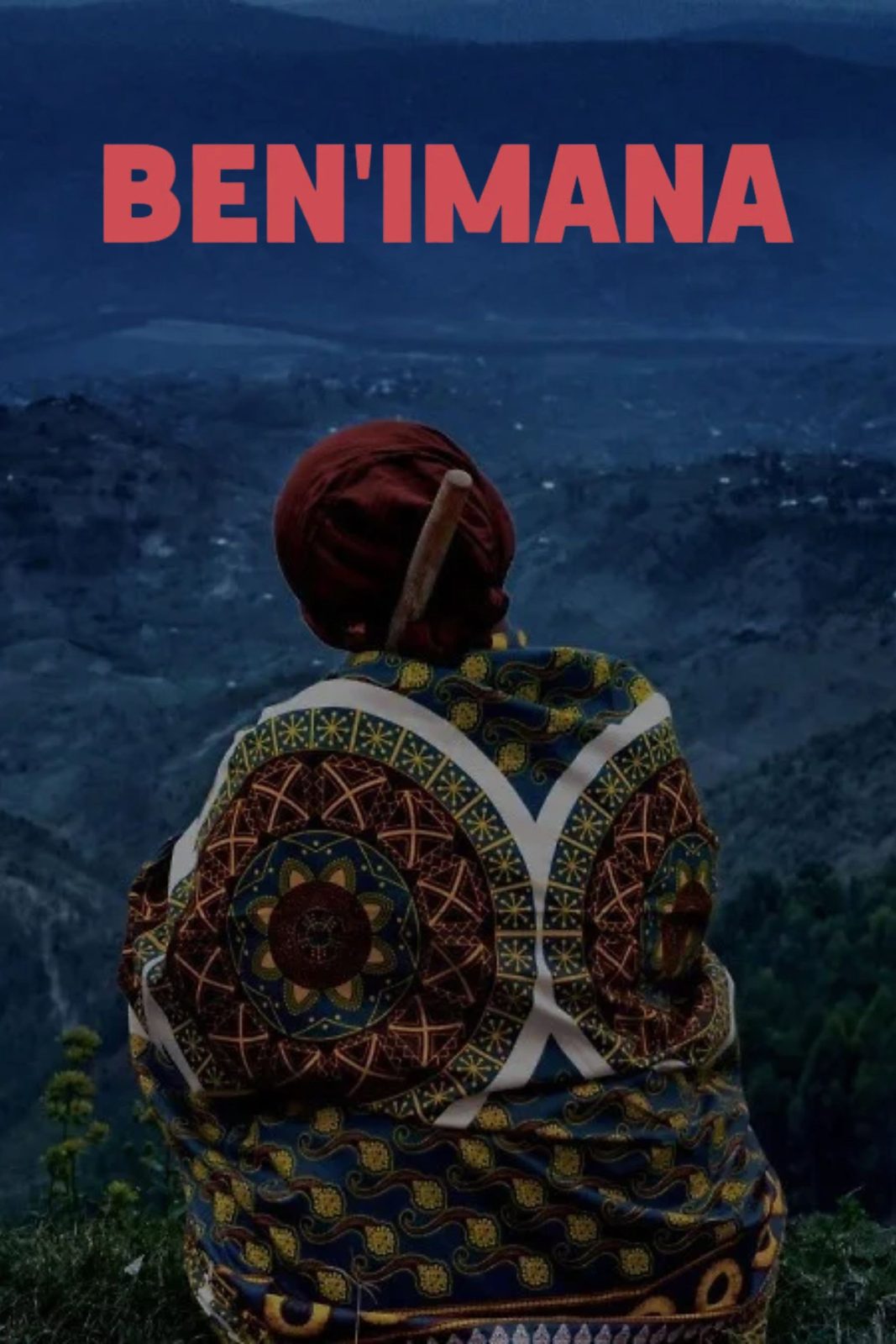
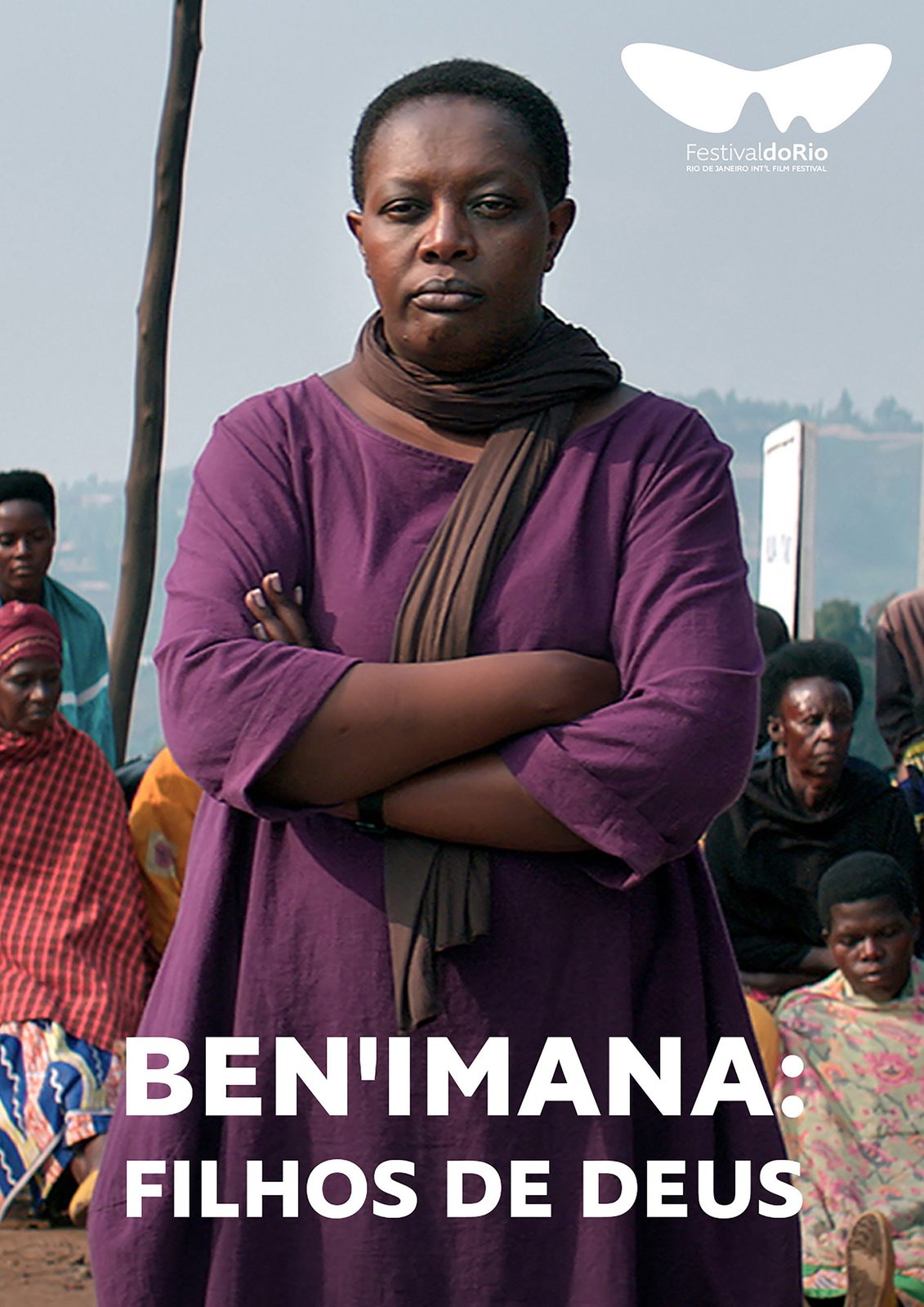
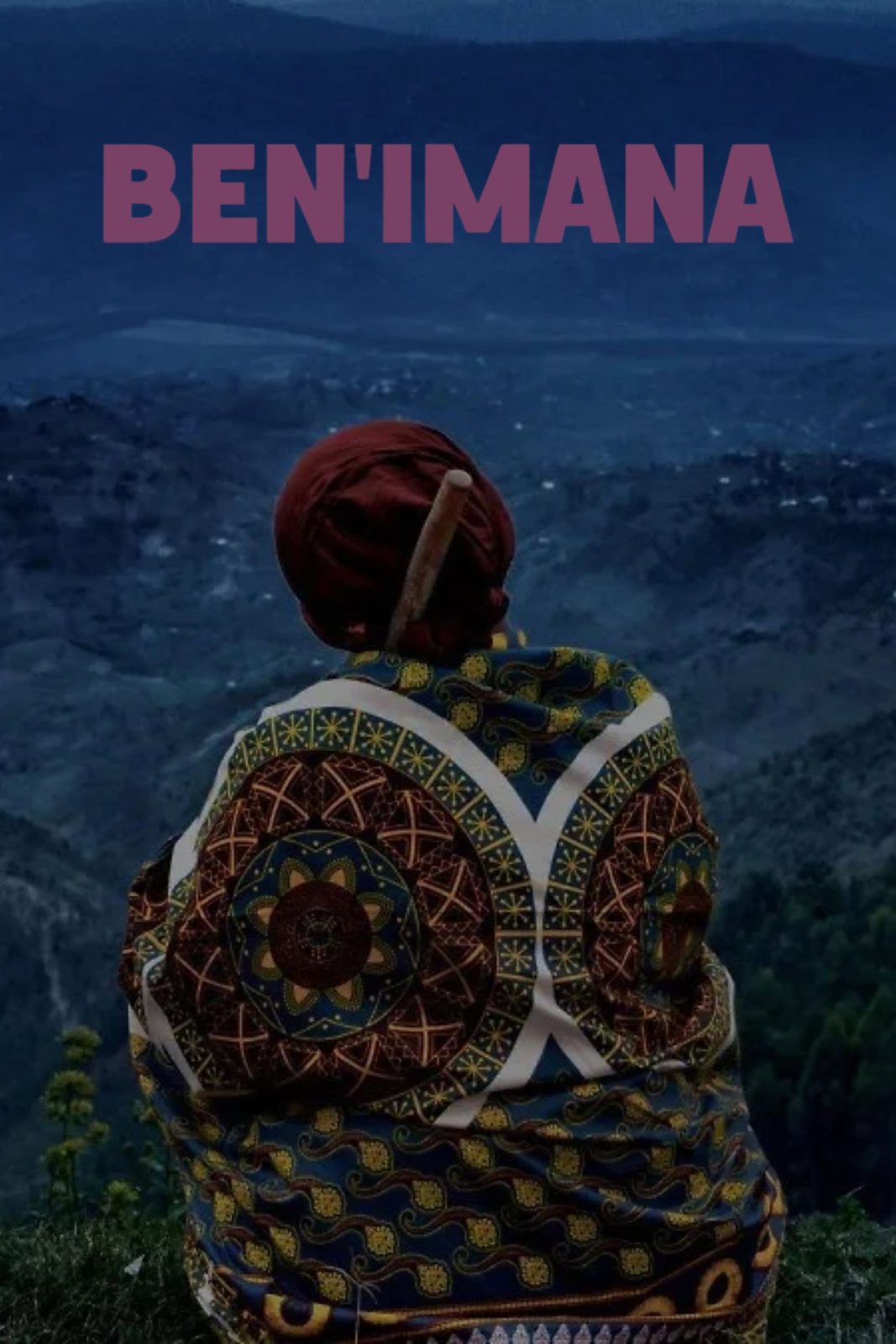
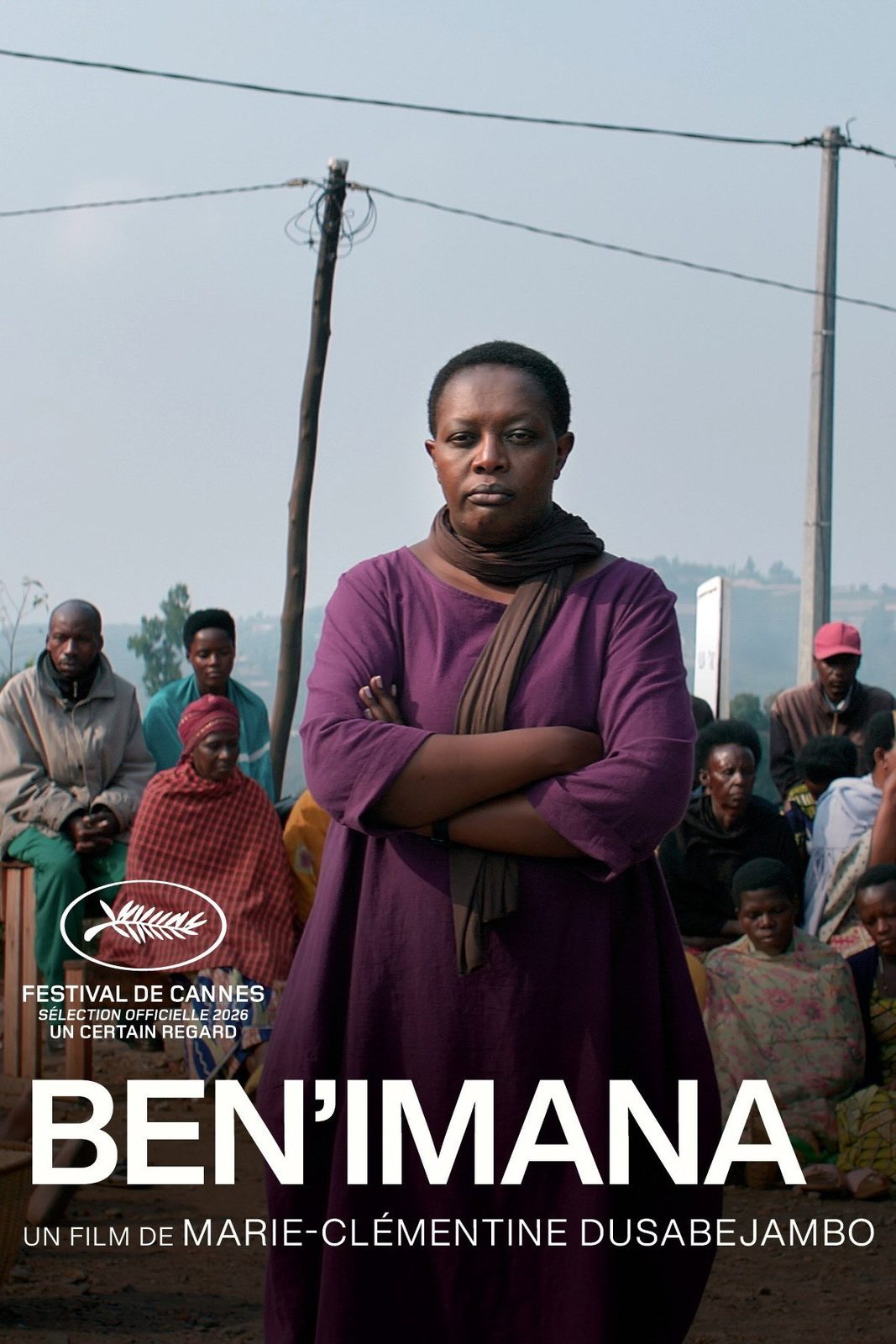
Winner of the Camera d’Or at the 79th Cannes Film Festival, where it screened in Un Certain Regard, Ben’imana revisits the tragic history of the 1994 Rwandan genocide through the eyes of a woman who survived it. The film is set in 2012, a time when community trials were being held across Rwanda to uncover the truth and pursue justice. Veneranda, a survivor, facilitates dialogue between victims and the families of perpetrators, helping them overcome trauma and rebuild their lives. Veneranda is resilient, yet the unexpected news of her teenage daughter’s pregnancy forces her to confront the limits of her own convictions. She is not alone: every woman in the film endures pain as she confronts truths long kept hidden. Together, they embody the grueling struggle that forgiveness demands. Their stories become an ardent song of hope - that generations of tragedy might finally come to an end, and that truth and forgiveness might take root in Rwandan soil.
Marie-Clémentine Dusabejambo is a Rwandan filmmaker who taught herself filmmaking and began working actively in 2008 within a community of young filmmakers in Kigali. After being selected in the Tribeca Film Institute′s screenwriting competition, she directed her first short film, Lyiza (2011), followed by shorts such as A Place for Myself (2016) and Icyasha (2018). Her feature directorial debut, Ben′imana, was invited to the Un Certain Regard section at the 2026 Cannes Film Festival, where it won both the Caméra d′Or and the FIPRESCI Prize.
From Busan International Film Festival 2026, No. 31