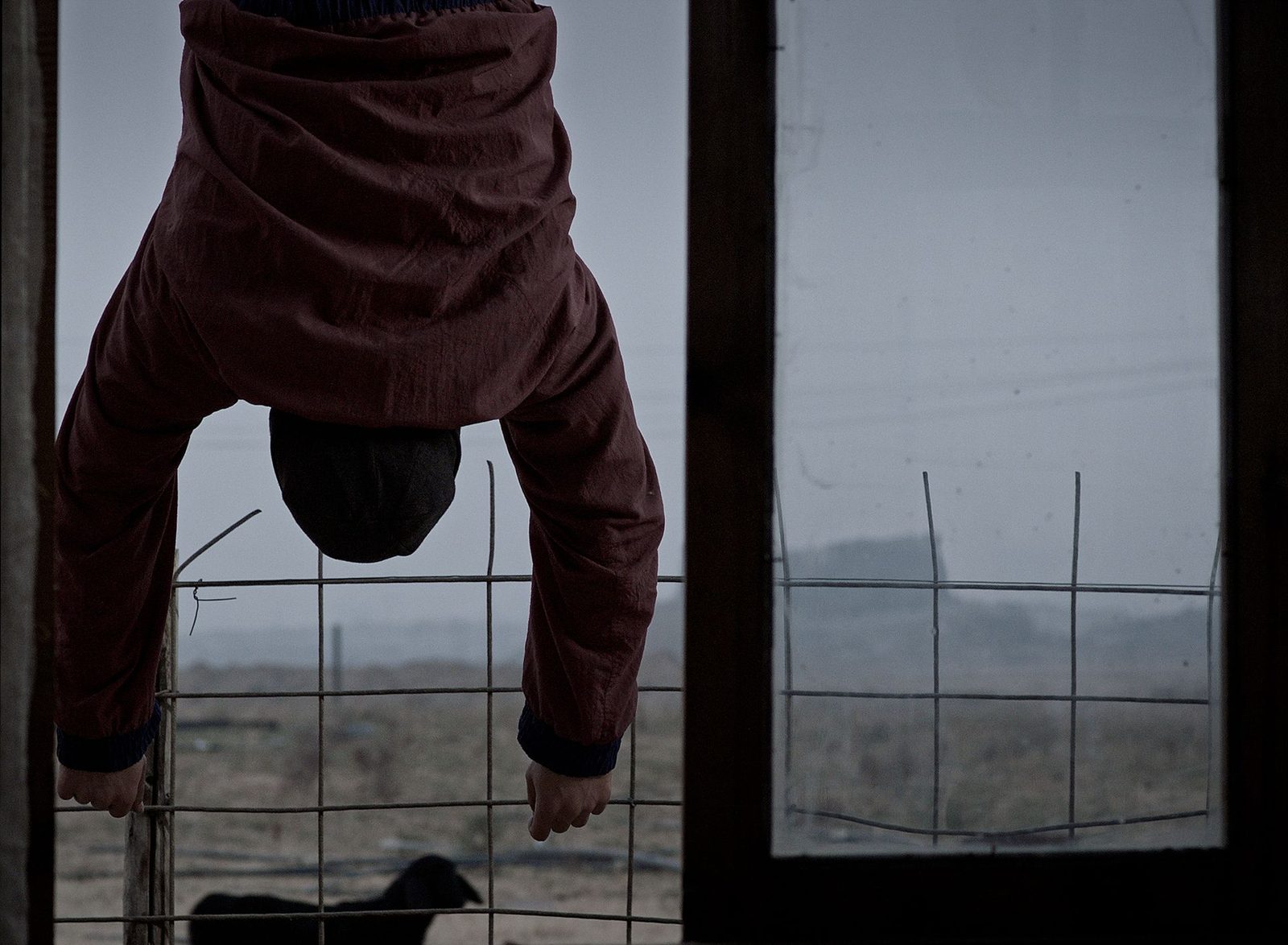
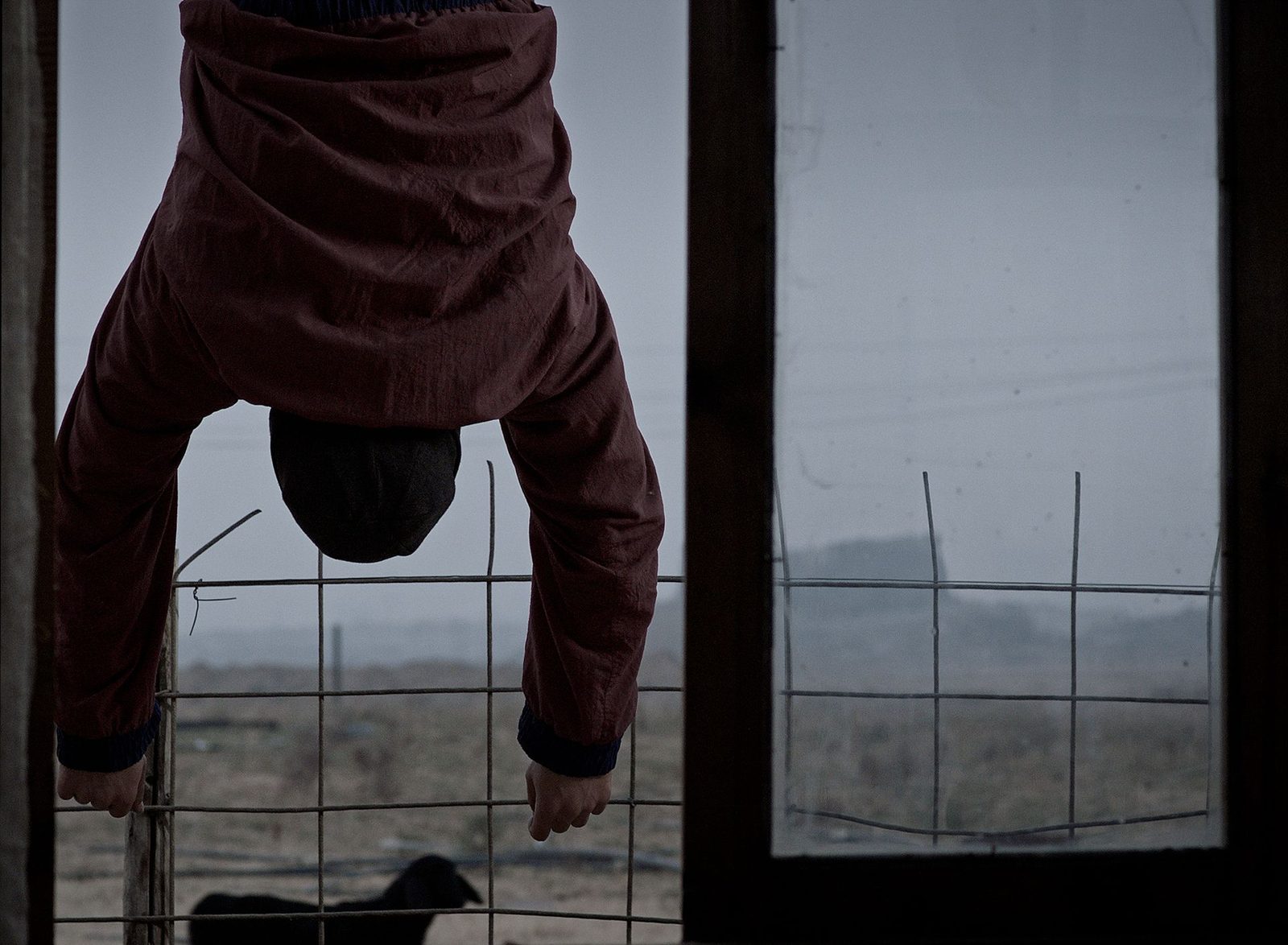
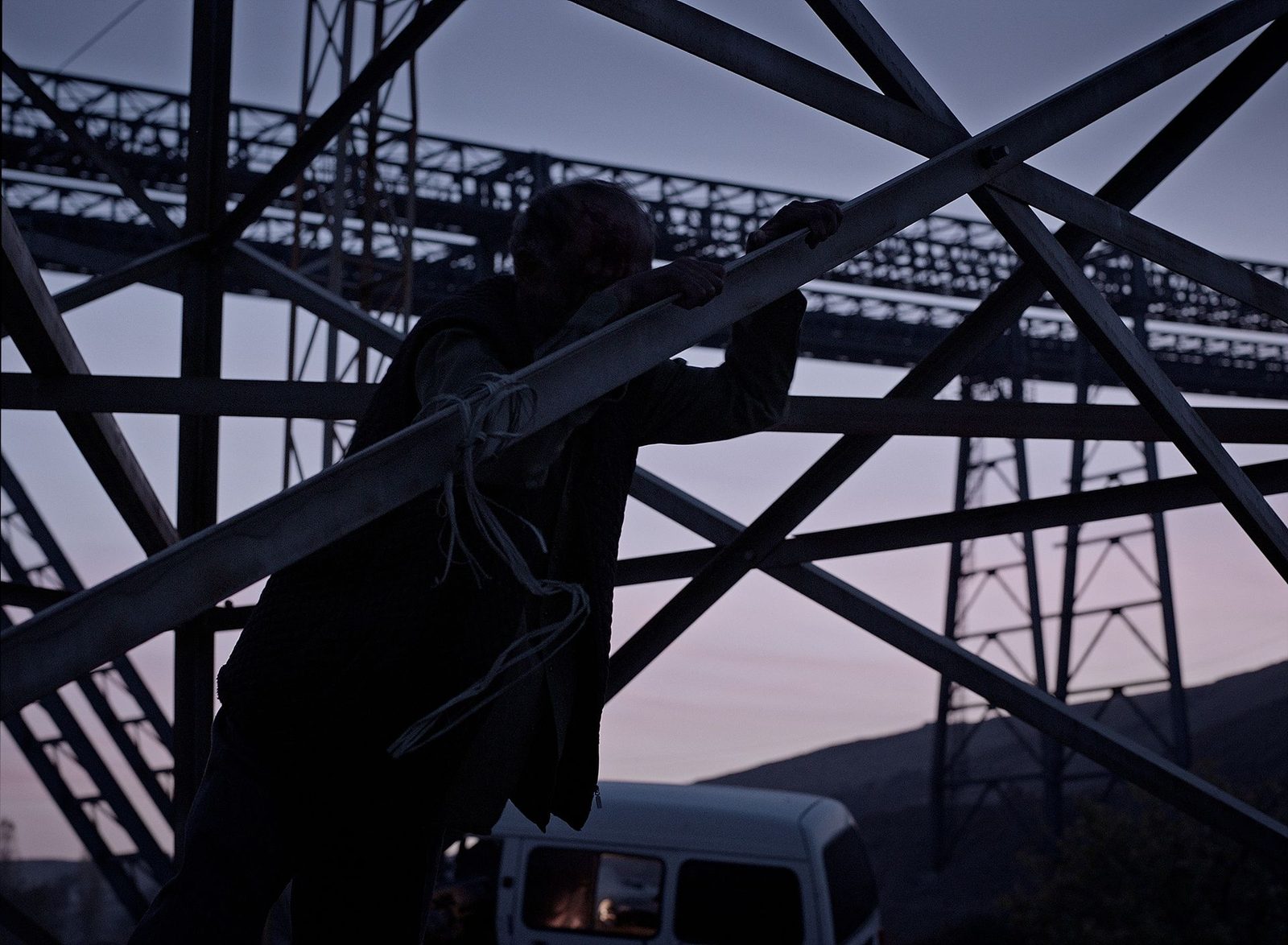
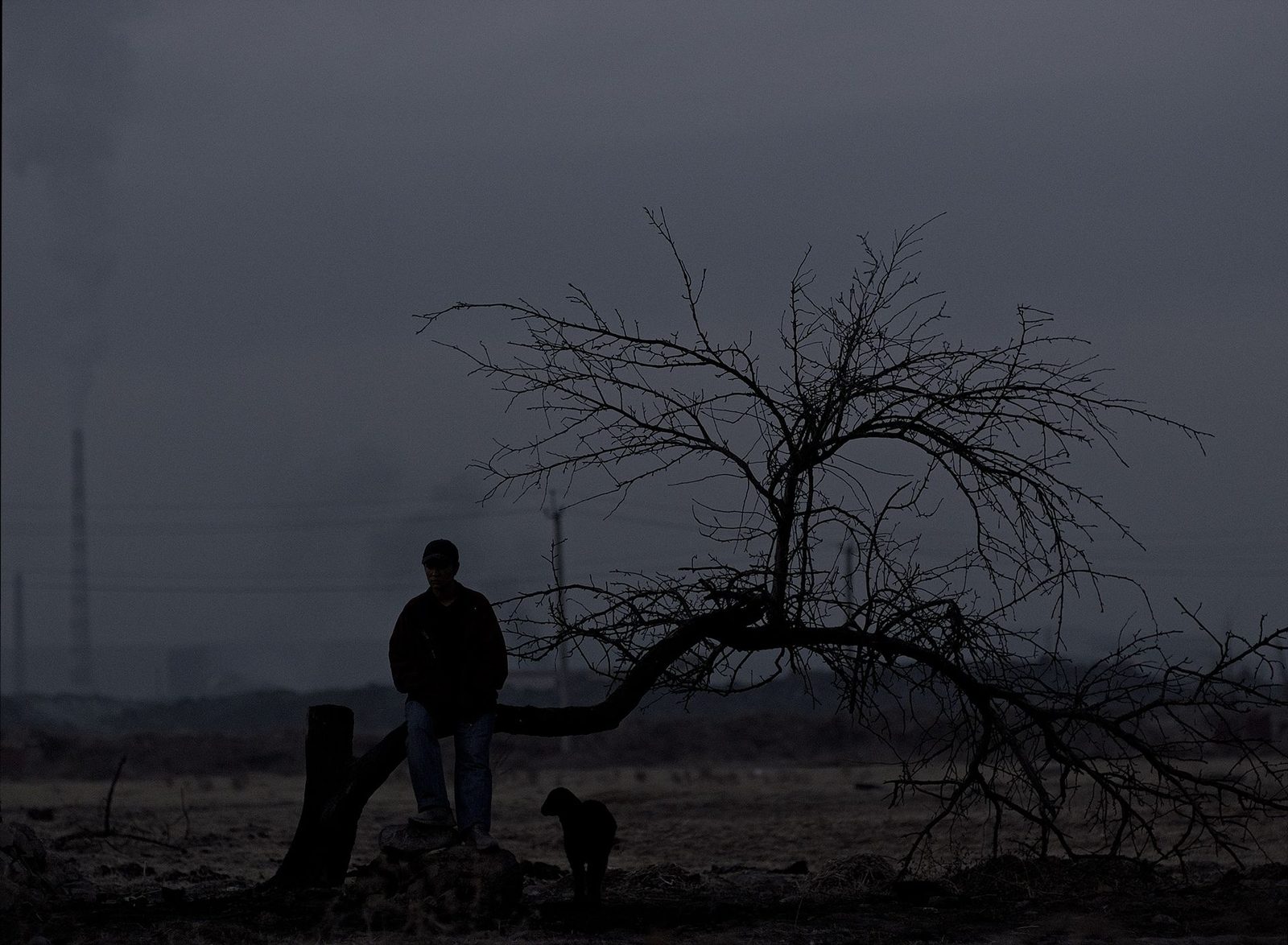
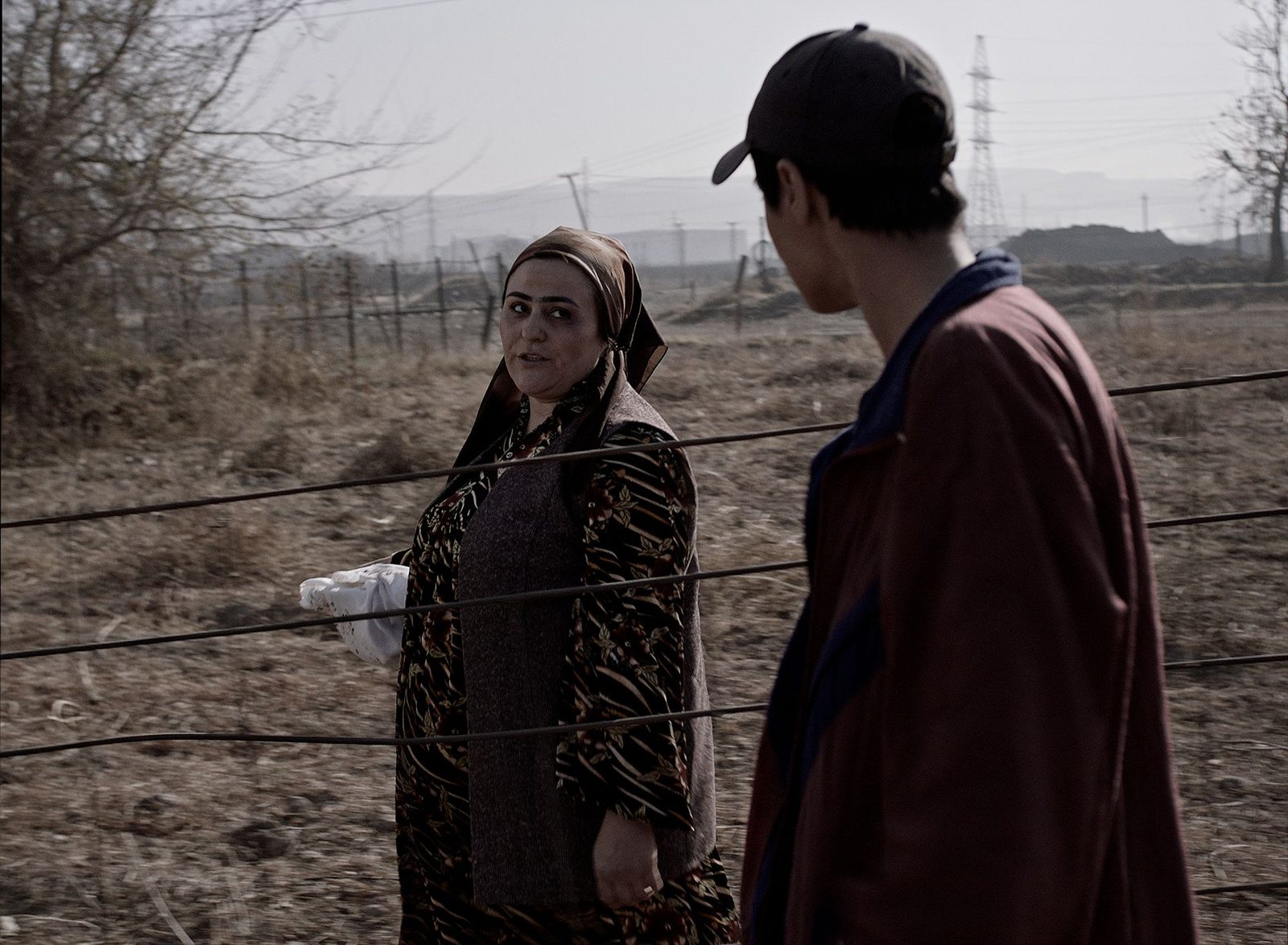
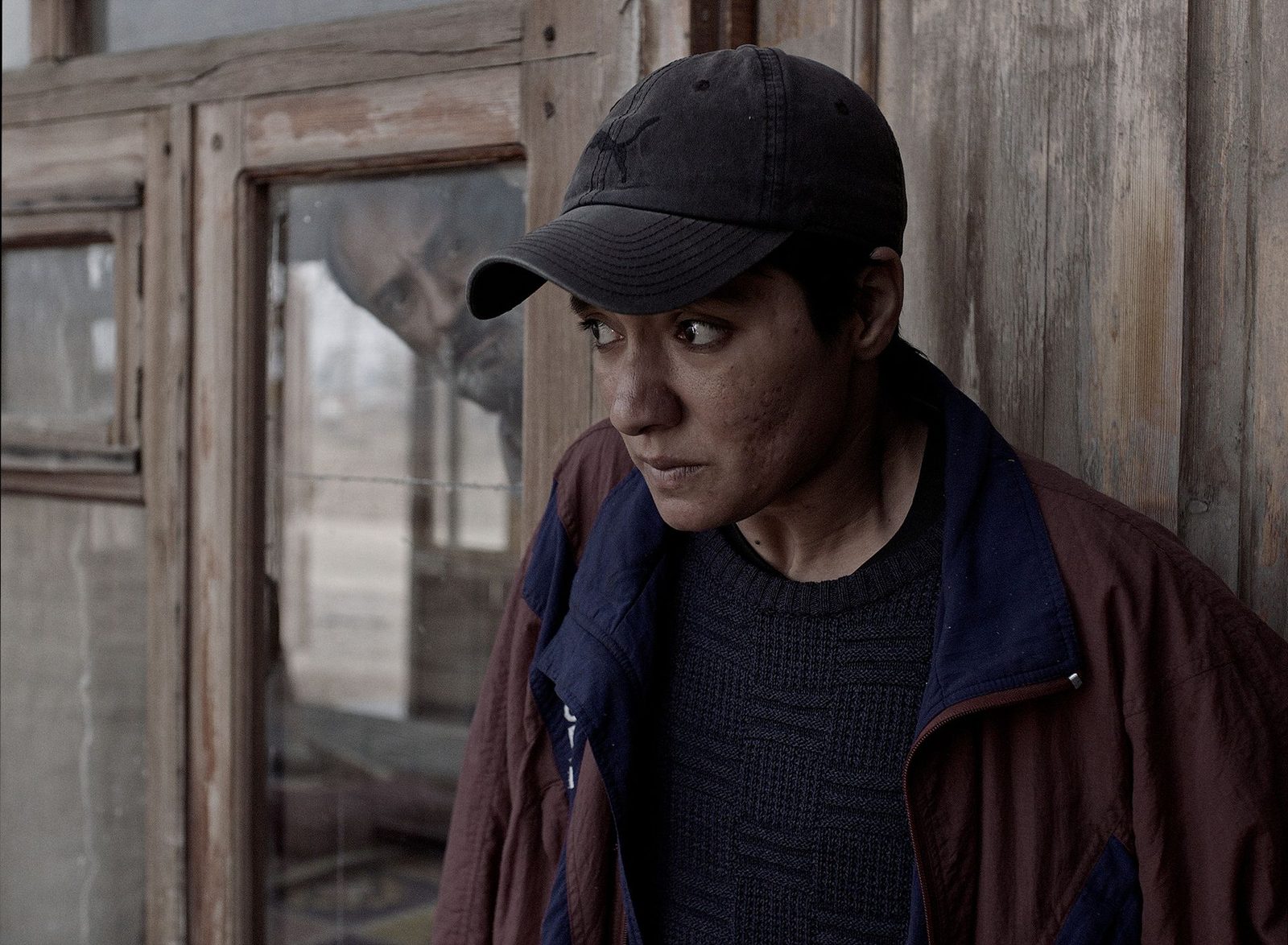
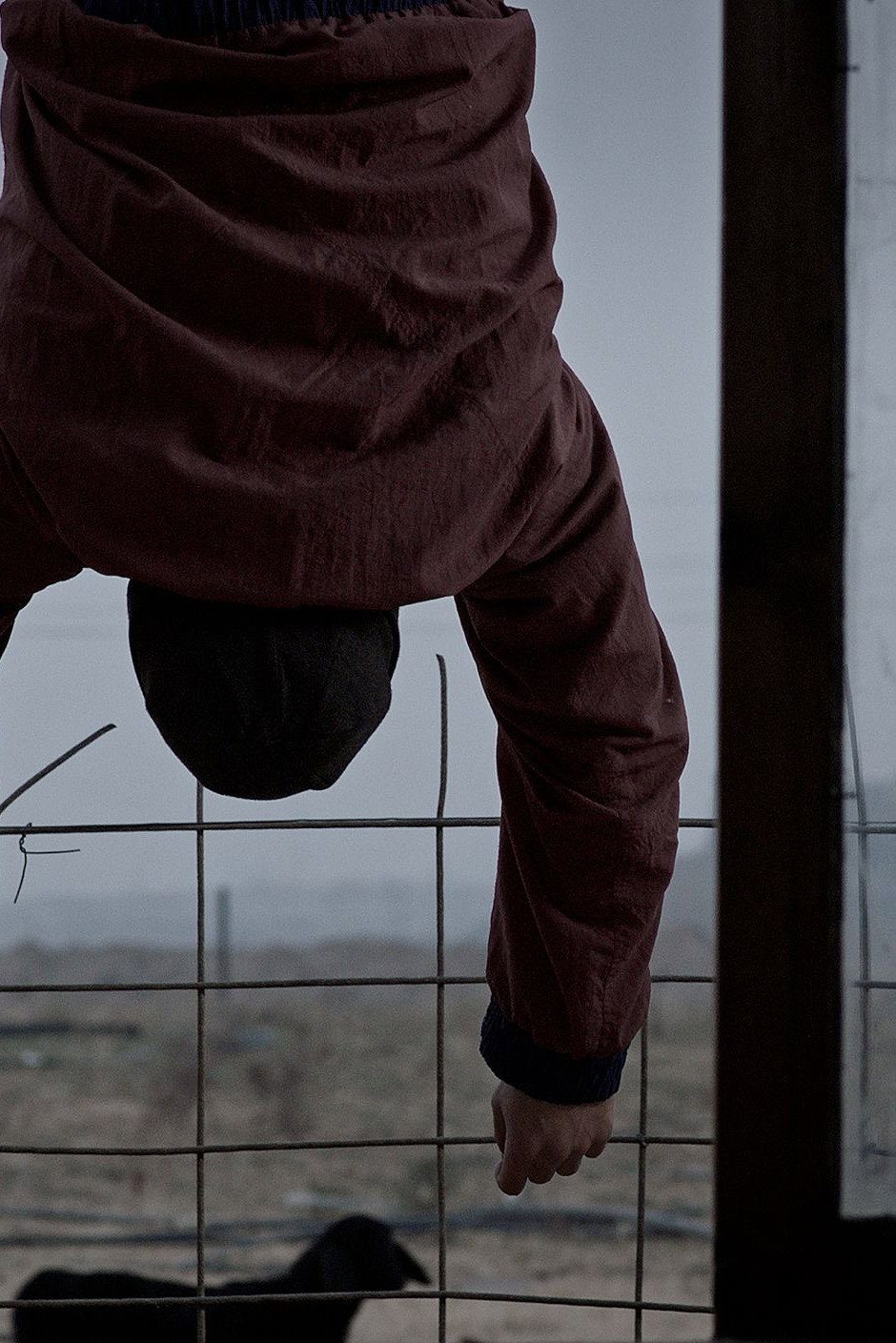
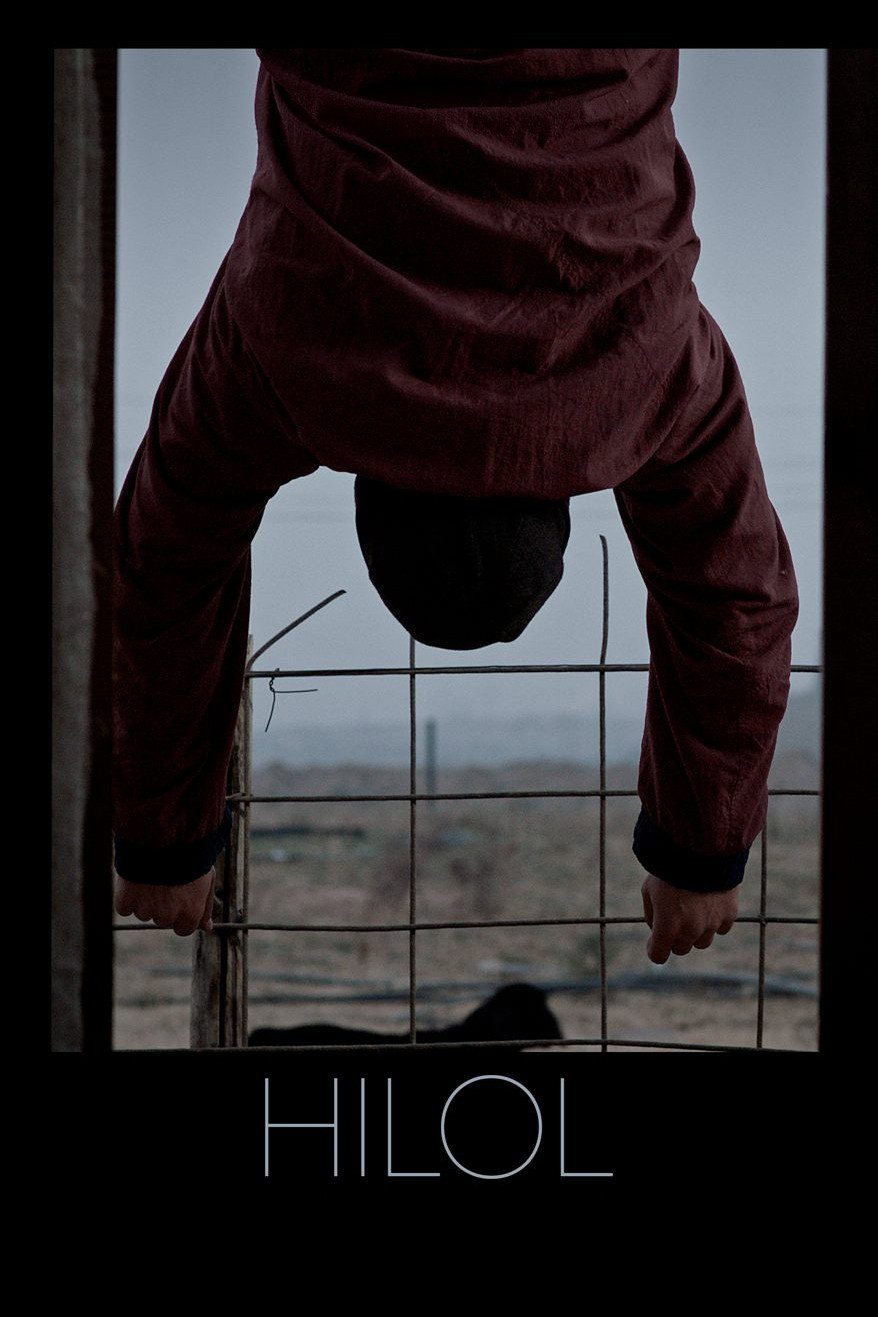
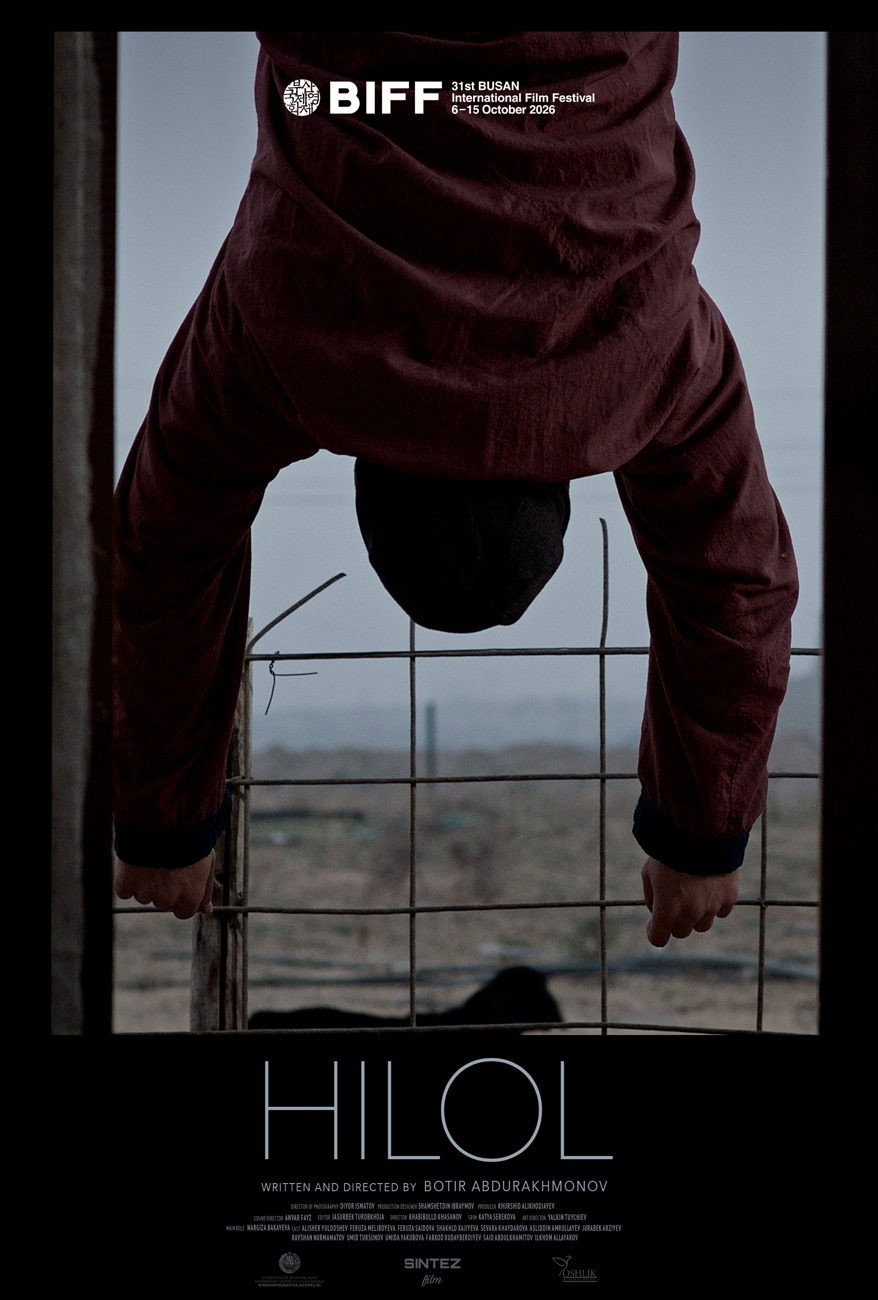
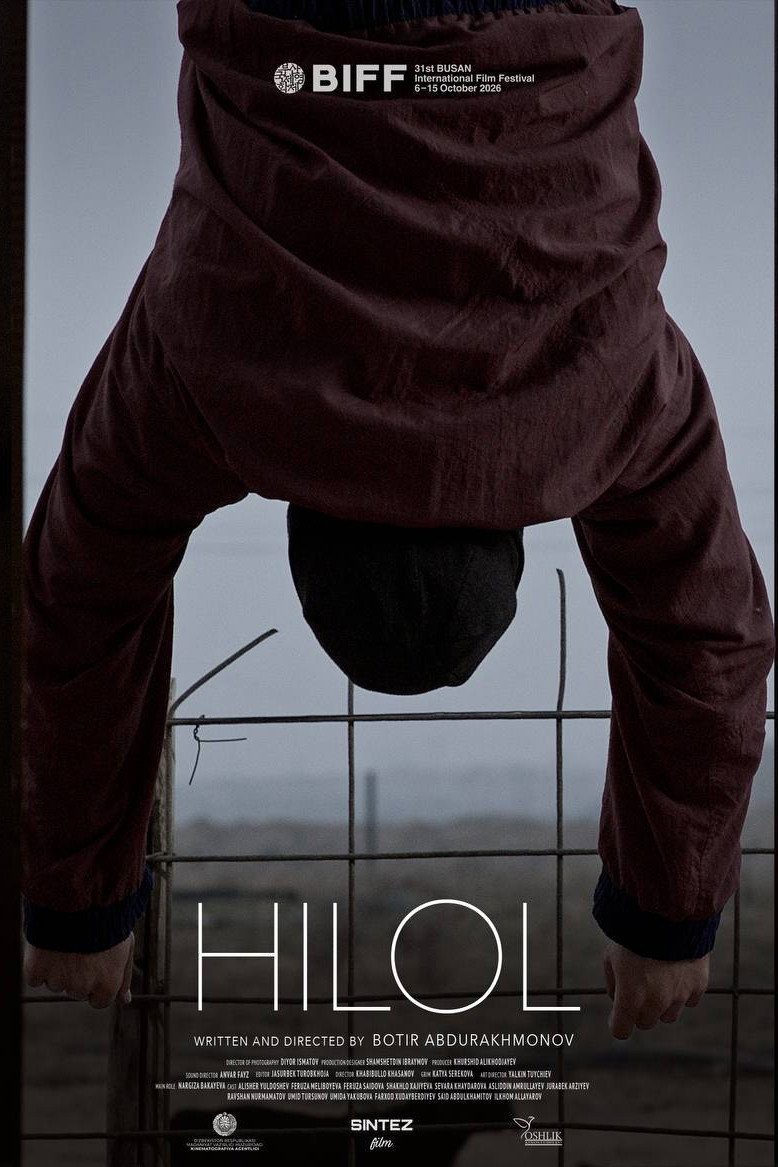
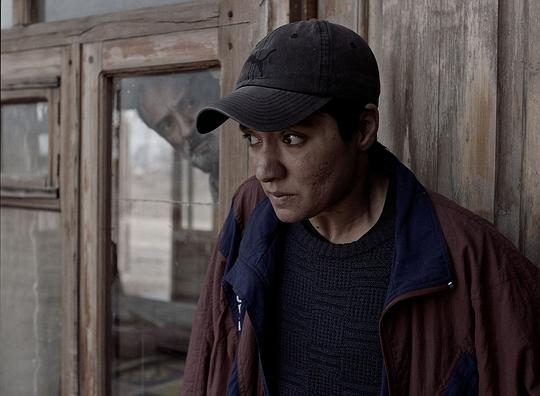
Hilol quietly counts. She counts while hanging upside down from a window frame, when fear wells up inside, and after realizing for the first time what she wants and does not want. Counting is a way for her to keep her pent-up emotions and desire from erupting, but paradoxically it also allows her to recognize that they are still alive within her. At twenty-three, Hilol has been raised by her father like a son. Her mother died when she was born, and though she was once a Taekwondo champion, she now has little to do other than caring for her father at home. Her older sisters, each struggling with problems of their own, try to arrange marriage for Hilol. Then, she runs into her childhood friend Doniyor by chance, which stirs feelings she does not quite understand. The rough, bold camera follows Hilol as she keeps setting off toward somewhere, only to pull back and capture her standing still as though lost, in an extreme long shot. The interplay between these contrasting shots creates the film’s distinct rhythm. In Uzbekistan, ‘Hilol’ is both a masculine name and a diminutive of the feminine name Hilola, and it also means ‘crescent moon.’ This makes the name a key to understand the film, as well as a metaphor that invites audiences to imagine Hilol’s life after the film ends. Hilol marks the arrival of a notable new voice in Uzbek cinema.
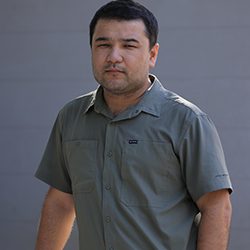
Born in Samarkand, Uzbekistan in 1992. Abdurakhmanov studied Film Directing at the Institute of Arts and Culture of Uzbekistan. He has directed numerous short fiction and documentary films, including Mama (2017) and Ballon (2021), which have screened at various international film festivals. Hilol is his feature directorial debut.
From Busan International Film Festival 2026, No. 31