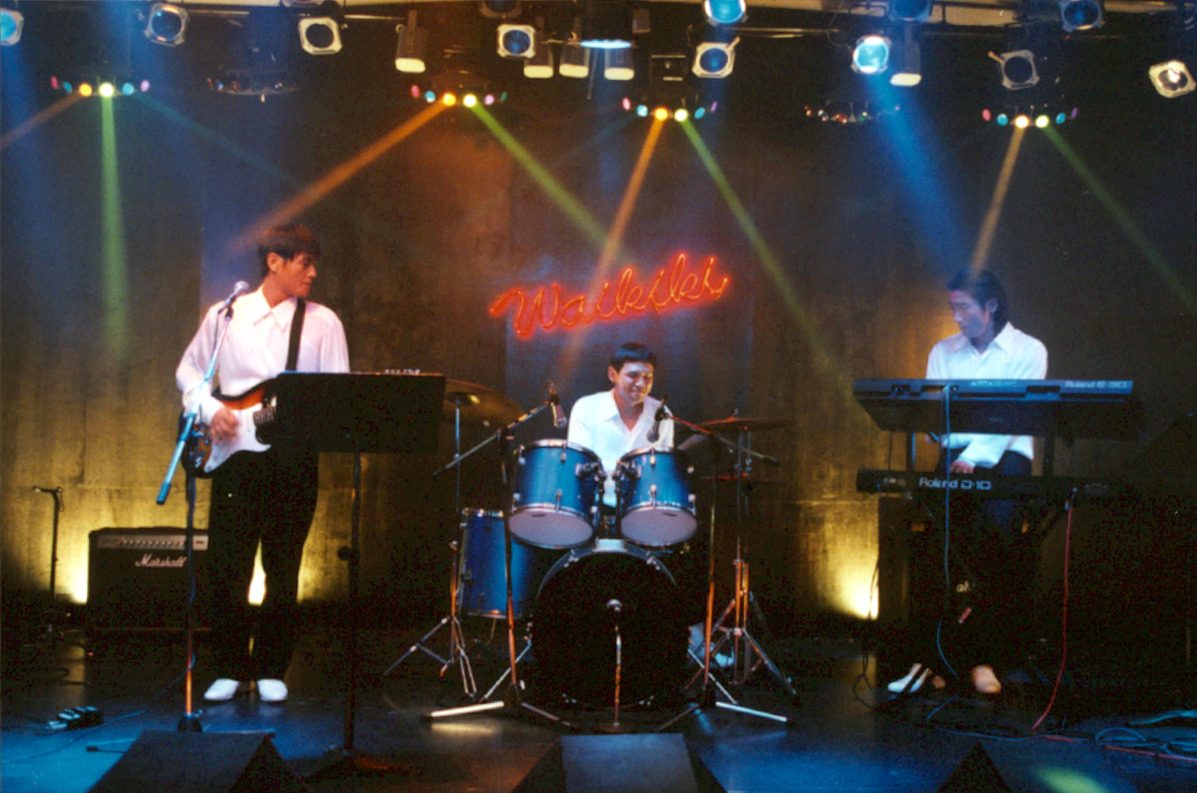
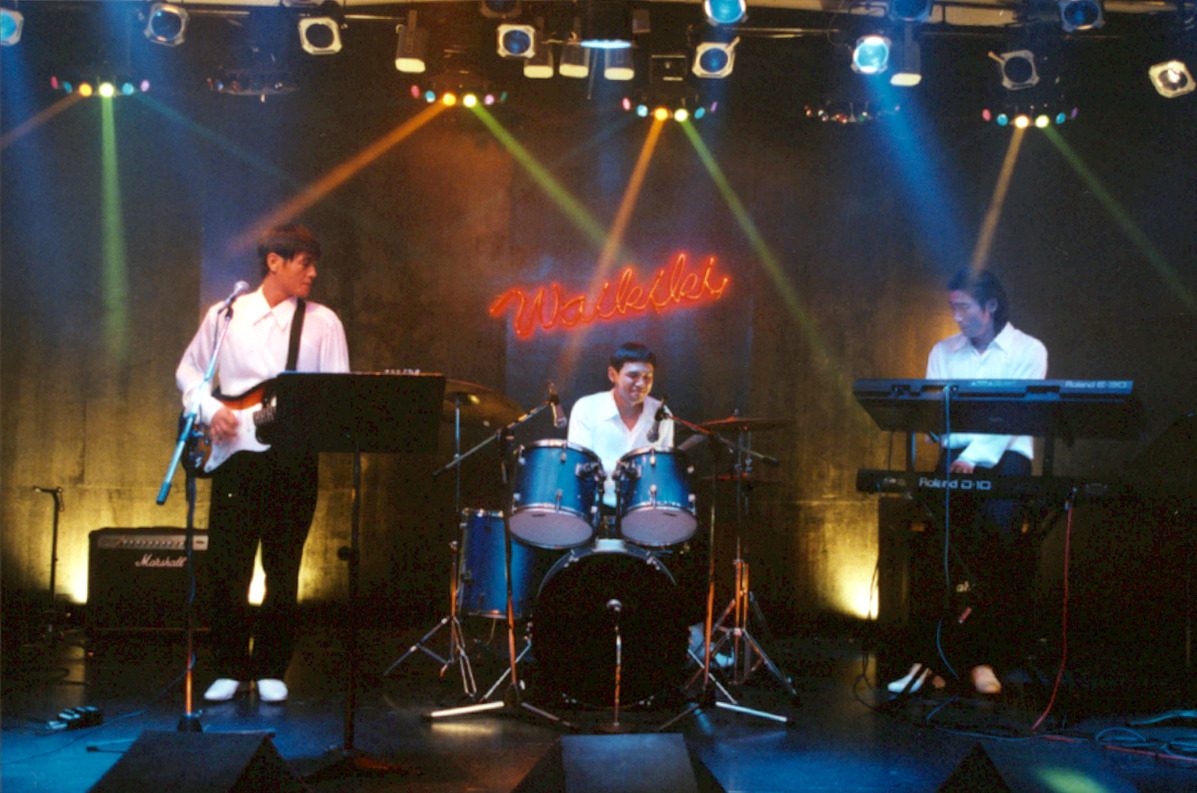
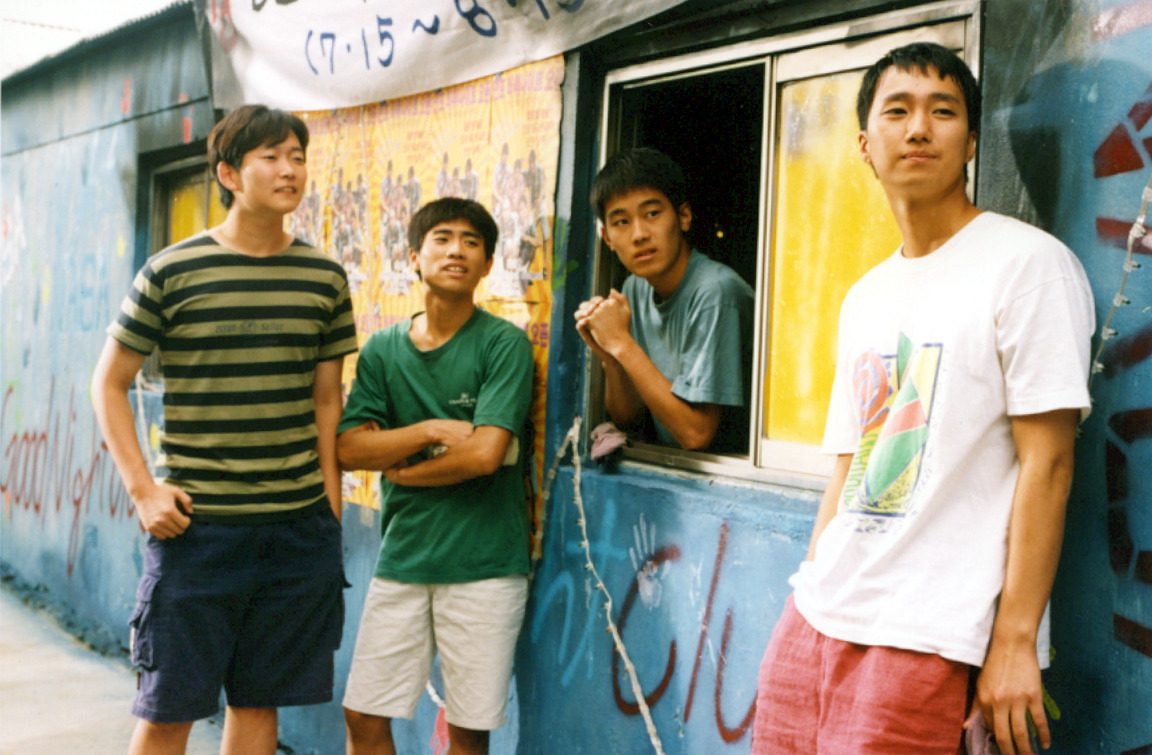
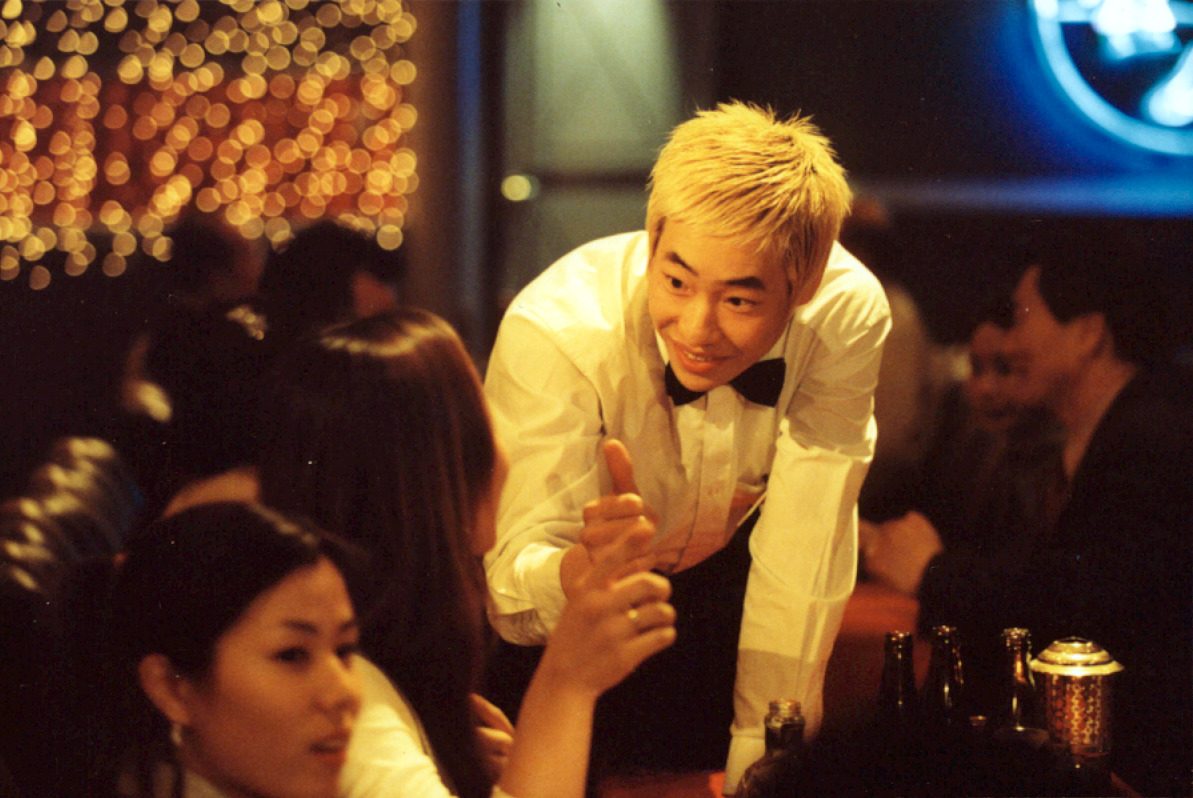
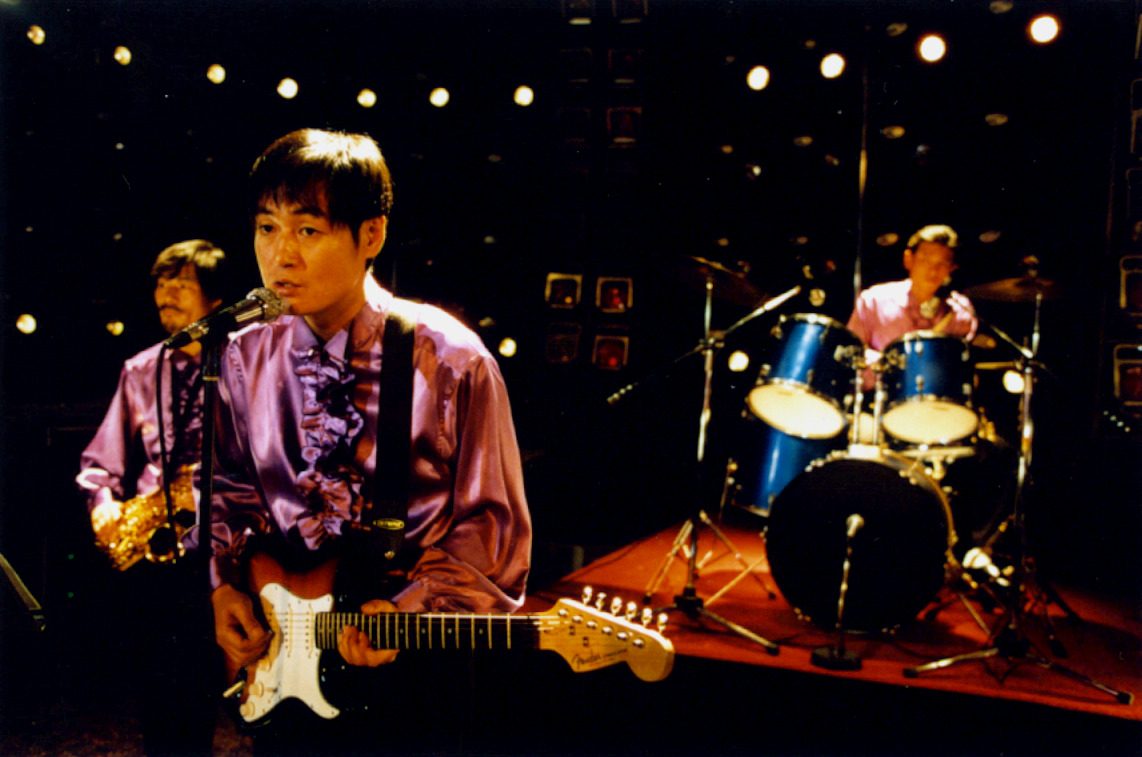
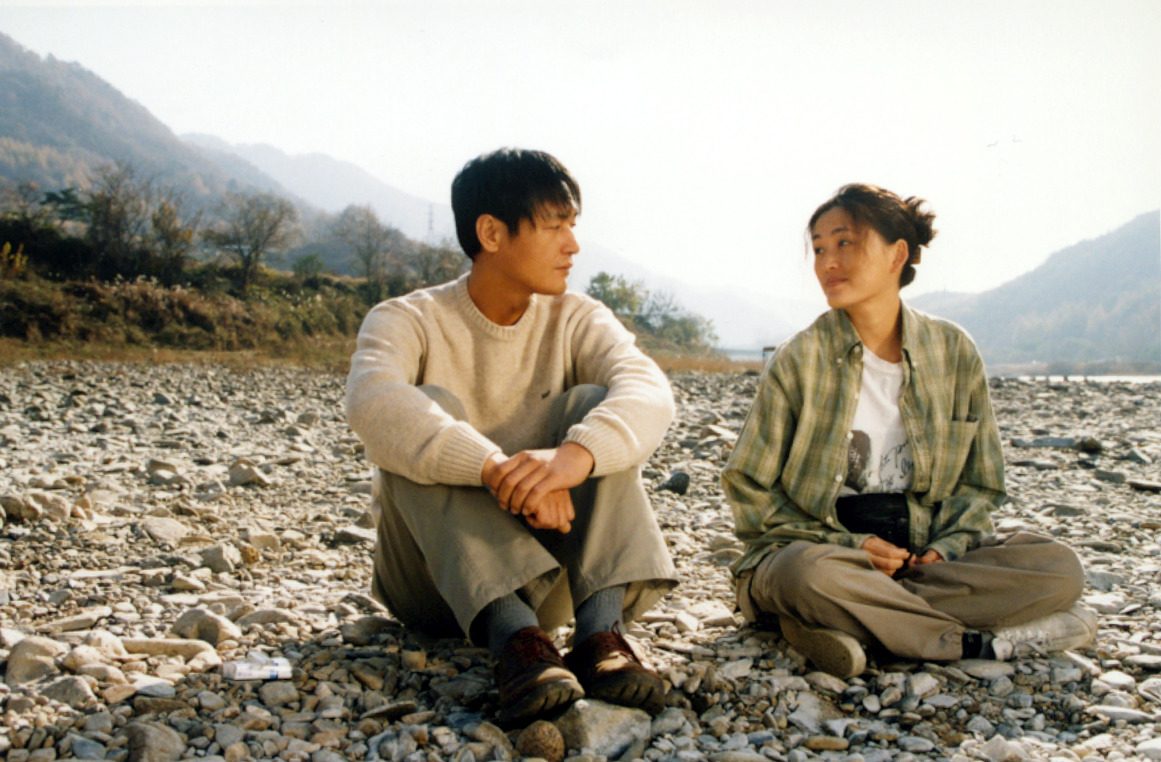
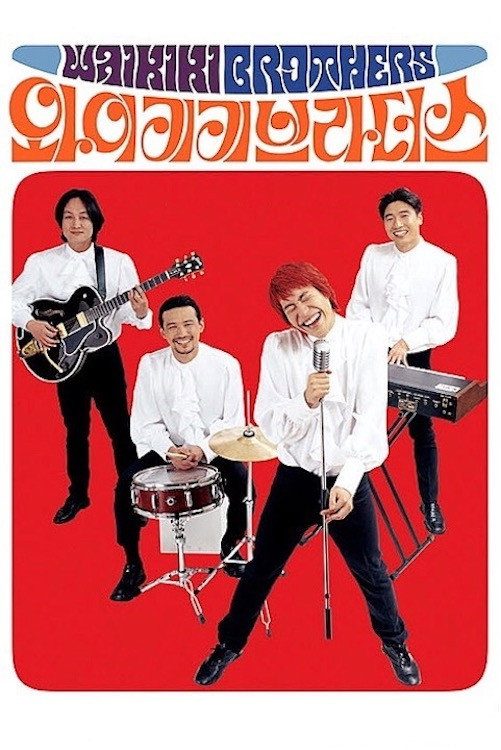
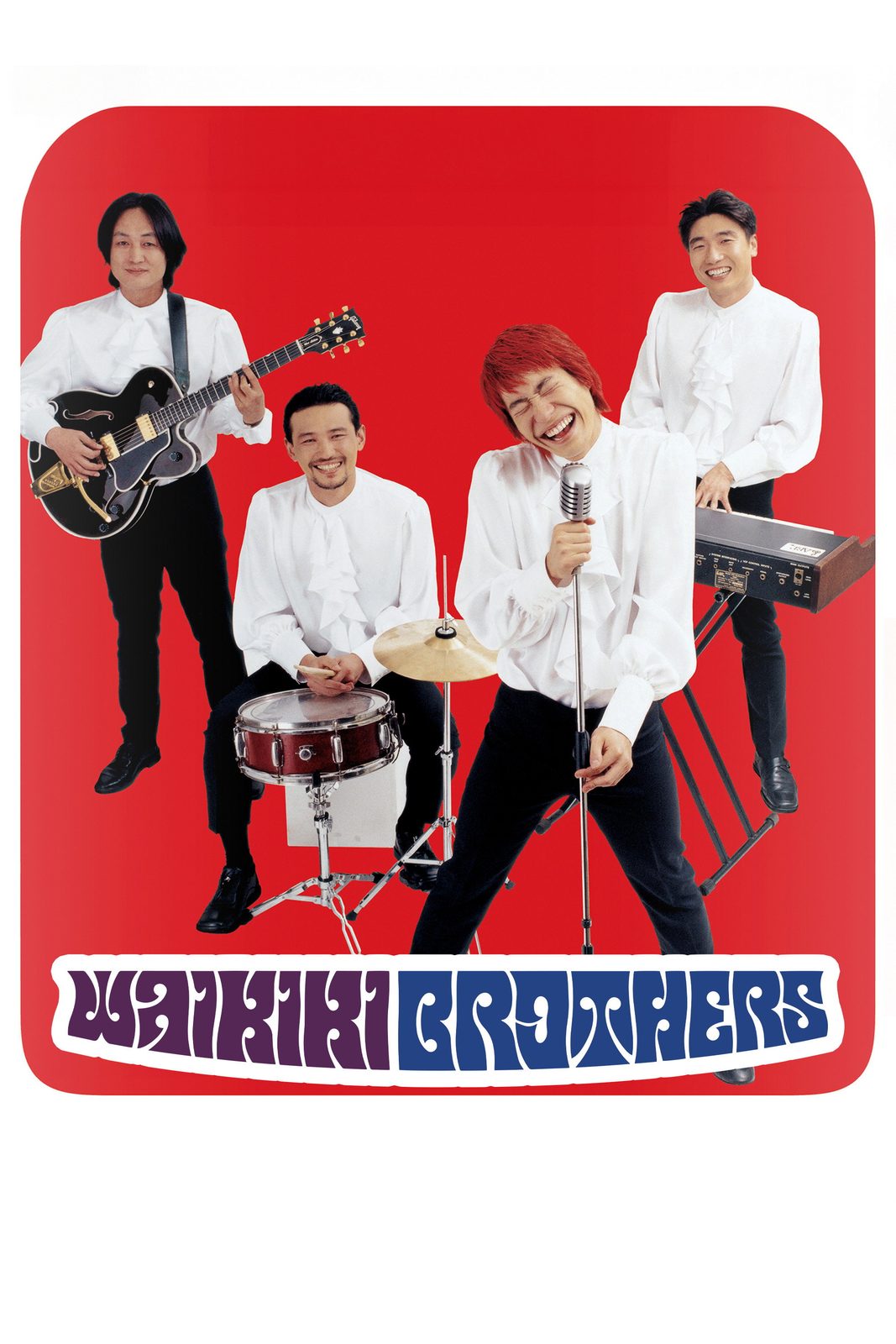
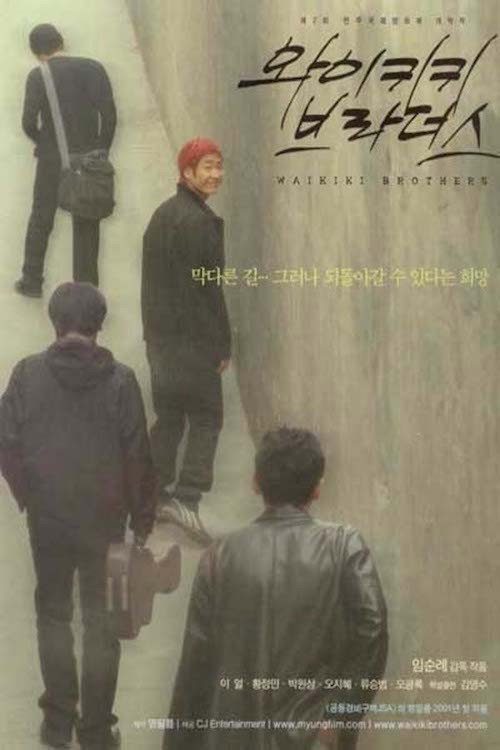
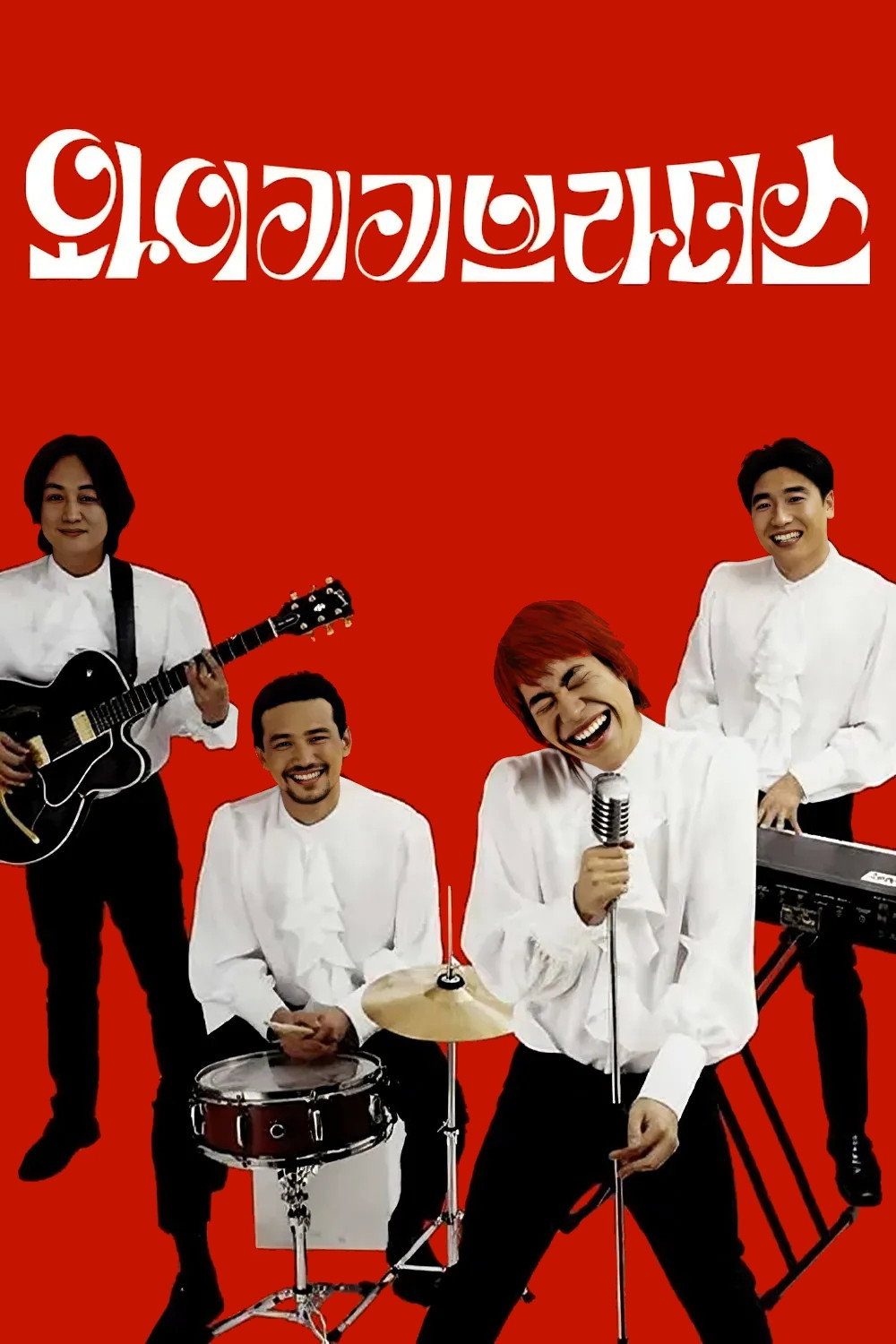
While Yim Soon-rye′s debut Three Friends (1996) quietly yet vividly depicted the transition from boyhood to adulthood, her second film Waikiki Brothers tenderly observes men grappling with the twilight of their youth. After years of performing in nightclubs and drifting through small towns across the country, Seongwoo returns to his hometown for the first time since graduating high school. There, he plays at the Waikiki Hotel and reunites with friends from his old band, his former guitar teacher, and his first love, Inhee. Waikiki Brothers is a wistful song for things that have vanished or are about to disappear, and an earnest song for those seeking a brief place of rest in a lonely, arduous life. Above all, it is a film deeply etched with the traces of landscapes and people who, one by one, drift away from Seongwoo’s side. Dazzling youth racing along the seaside expresses a beautiful life, but so too is the life that ends a grueling day by singing, playing, dancing, and drinking in a nightclub. What moves the heart most is Yim Soon-rye’s attitude toward her characters—never losing sight of the dignity they preserve to the very end, no matter the humiliation or shame. The emotional weight of the final scene will only deepen with time, and the faces of Lee Eol, Park Won-sang, Hwang Jung-min, and Oh Jee-hye will shine forever.