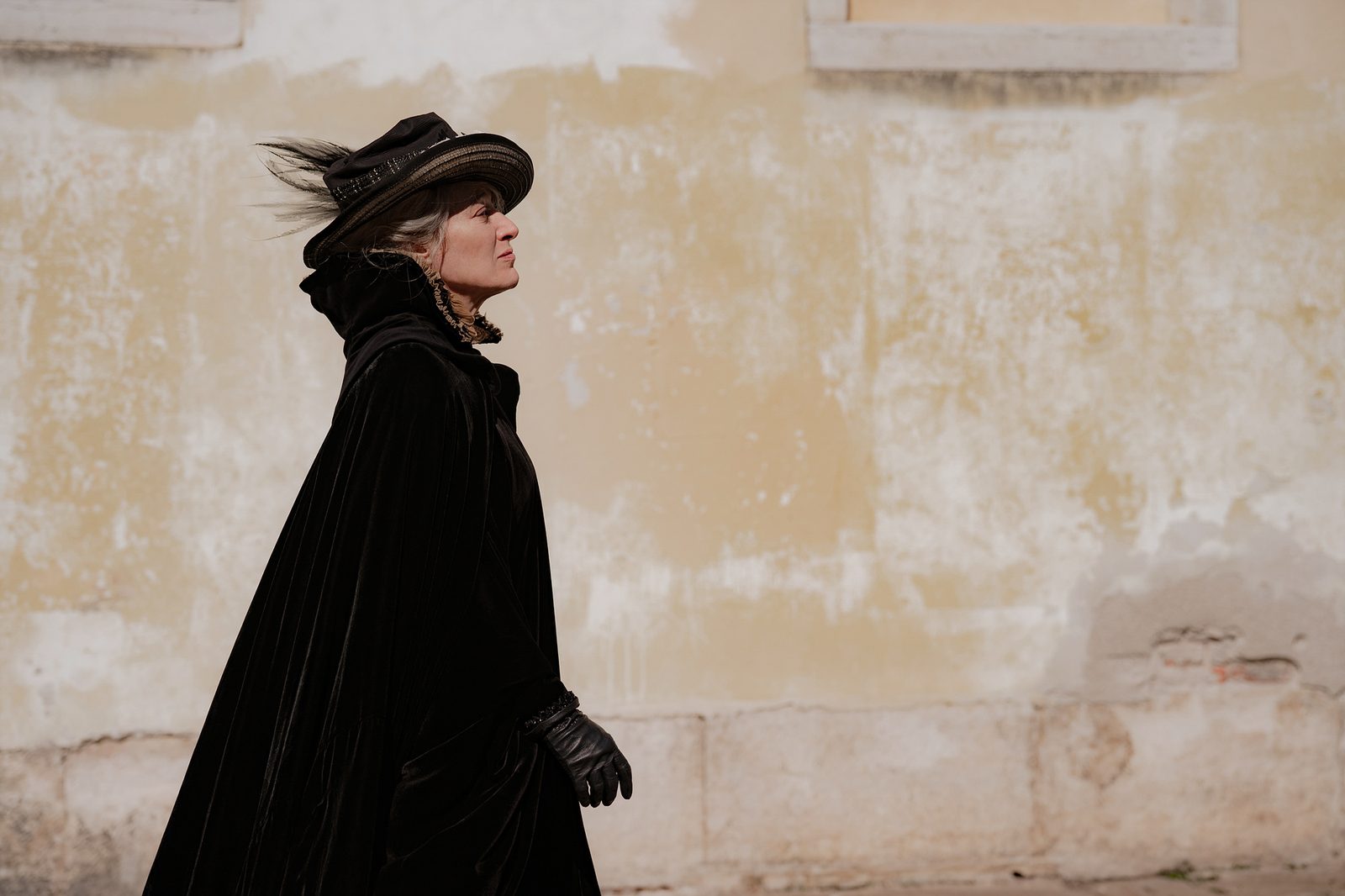
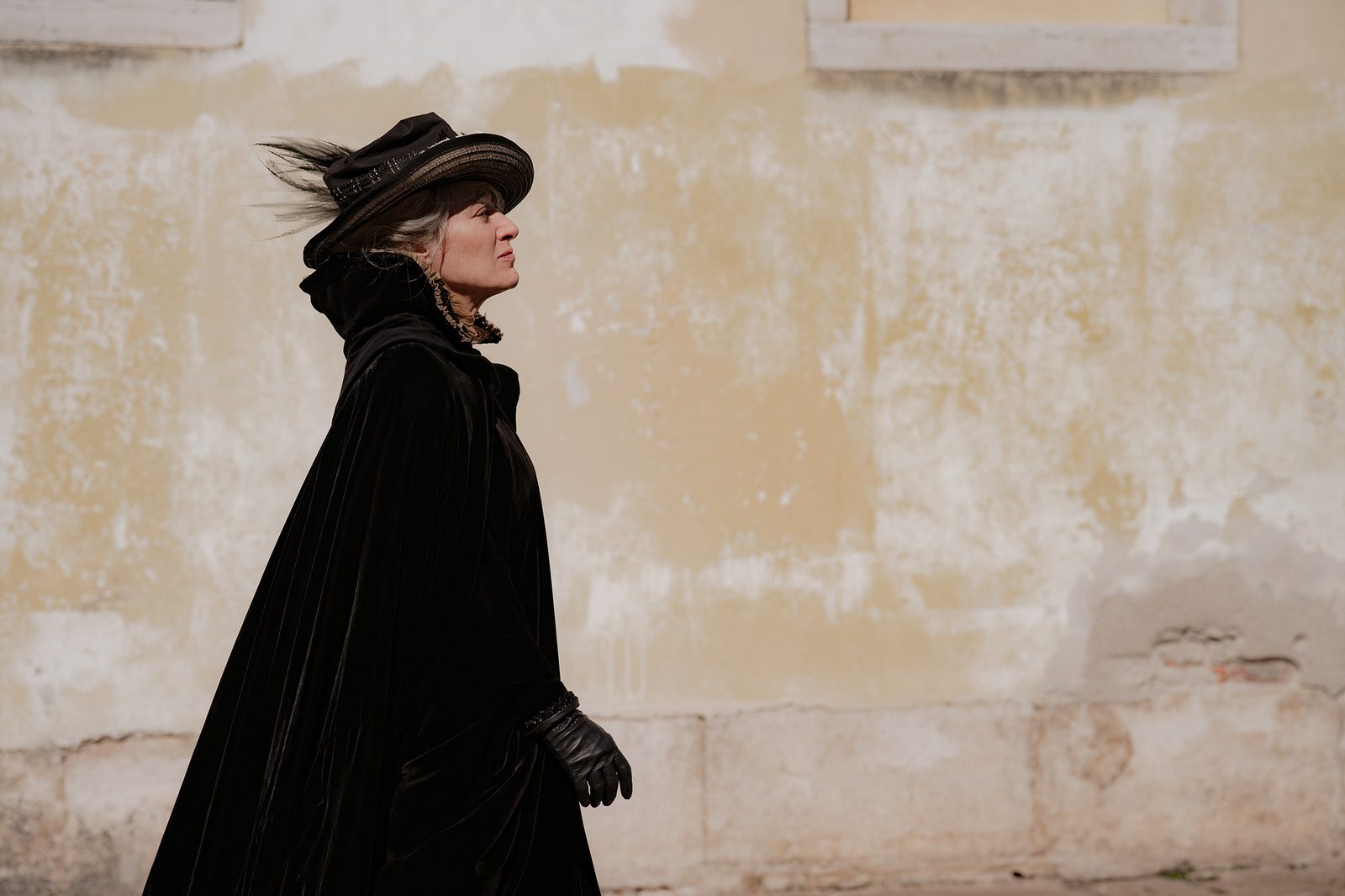
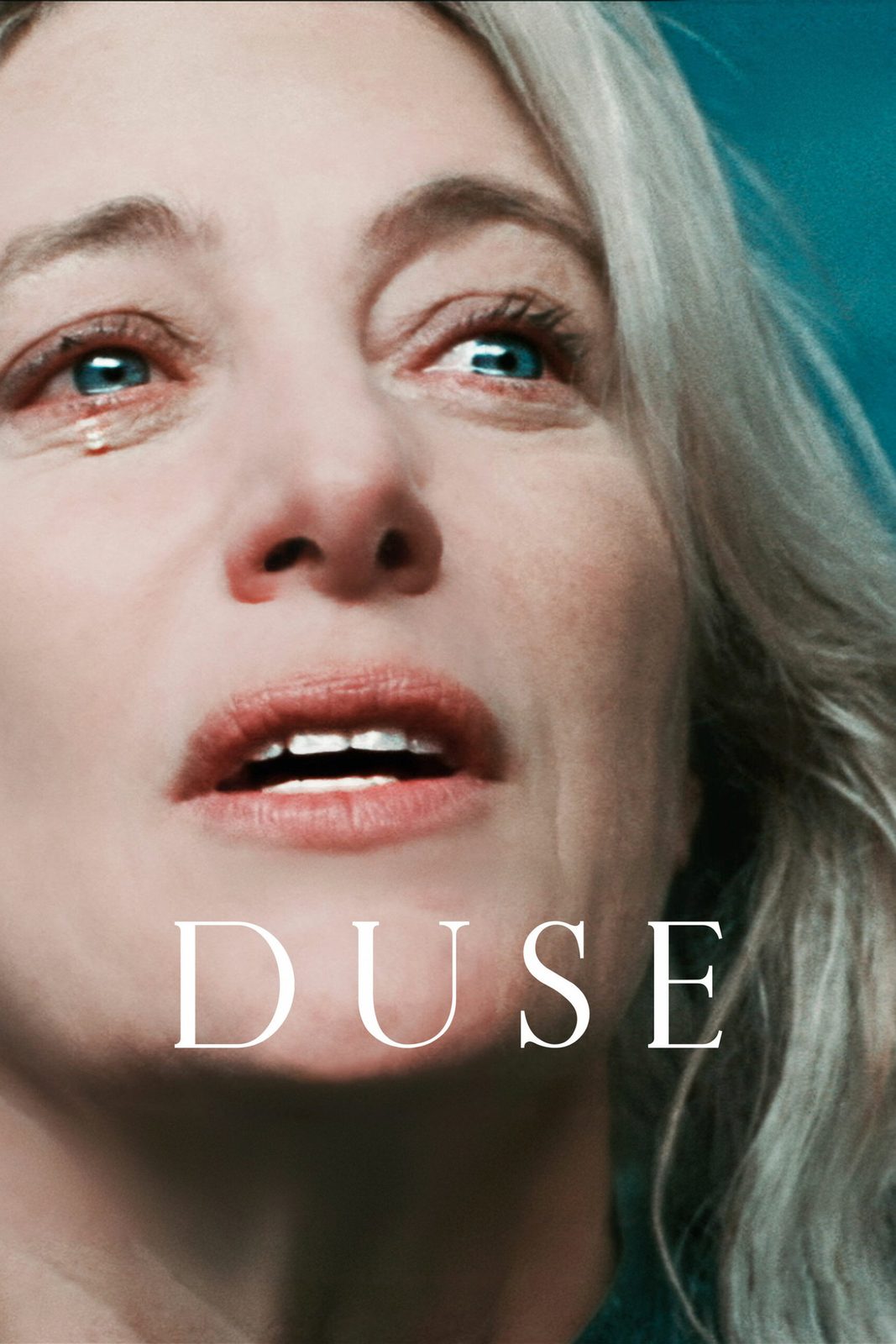
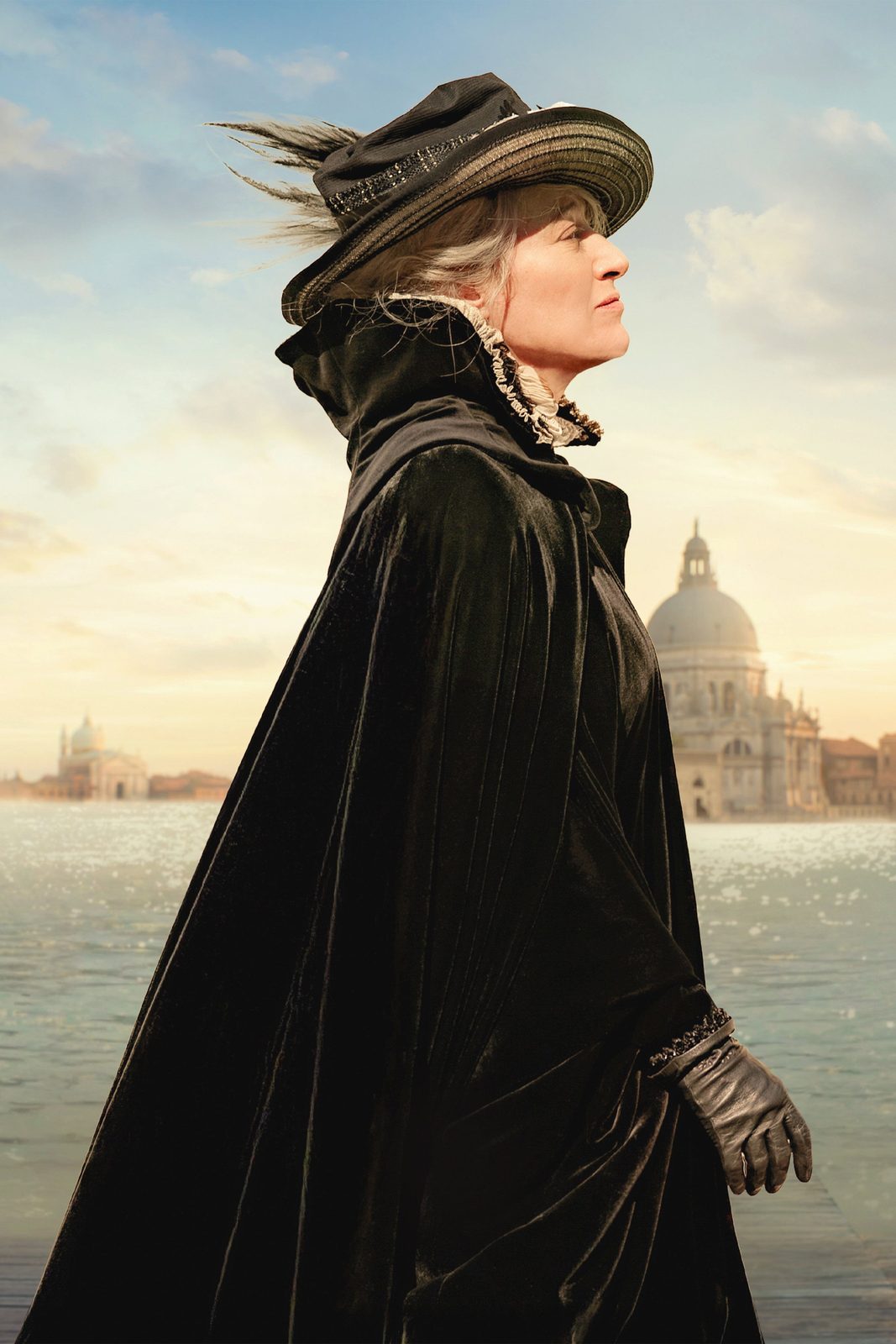
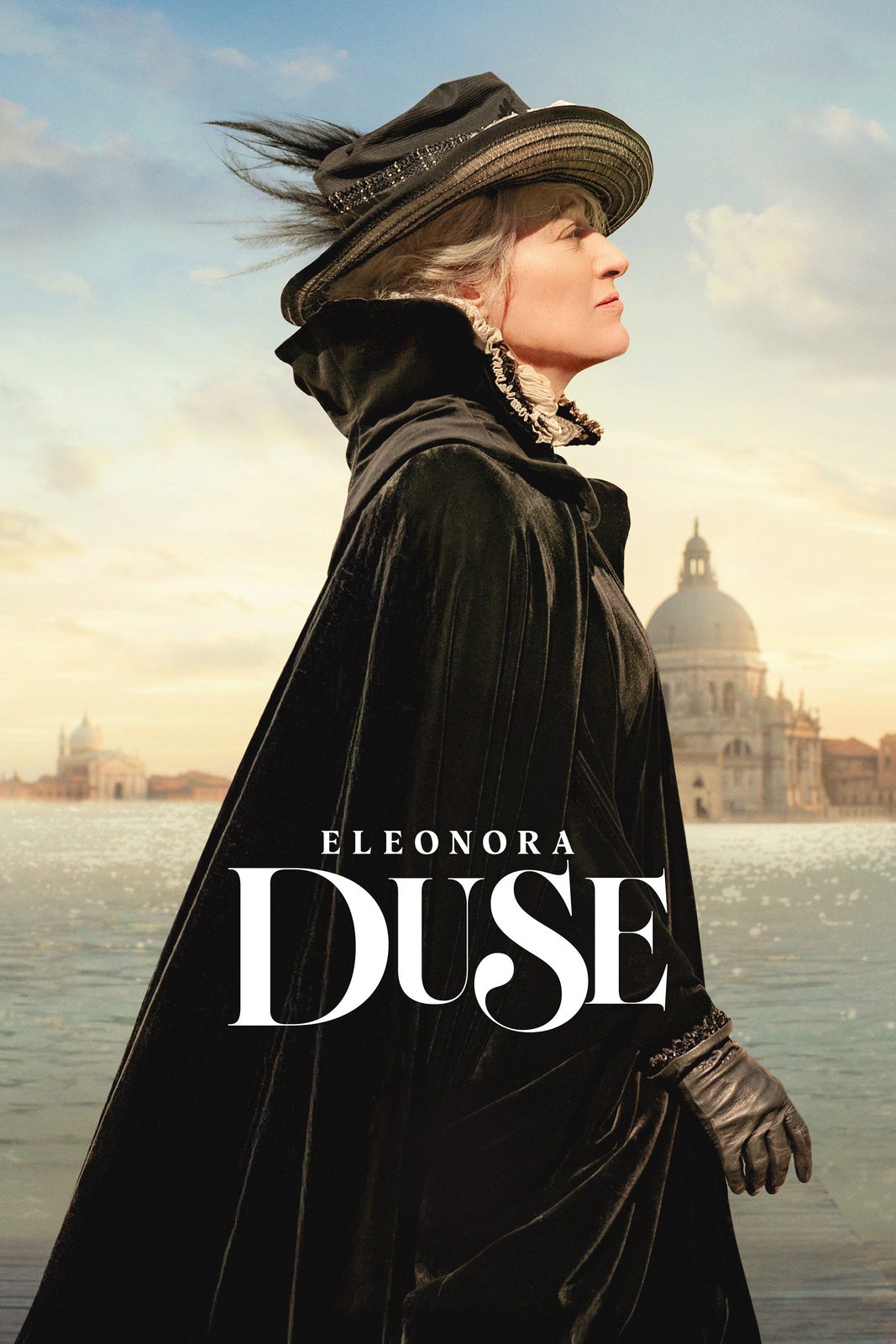
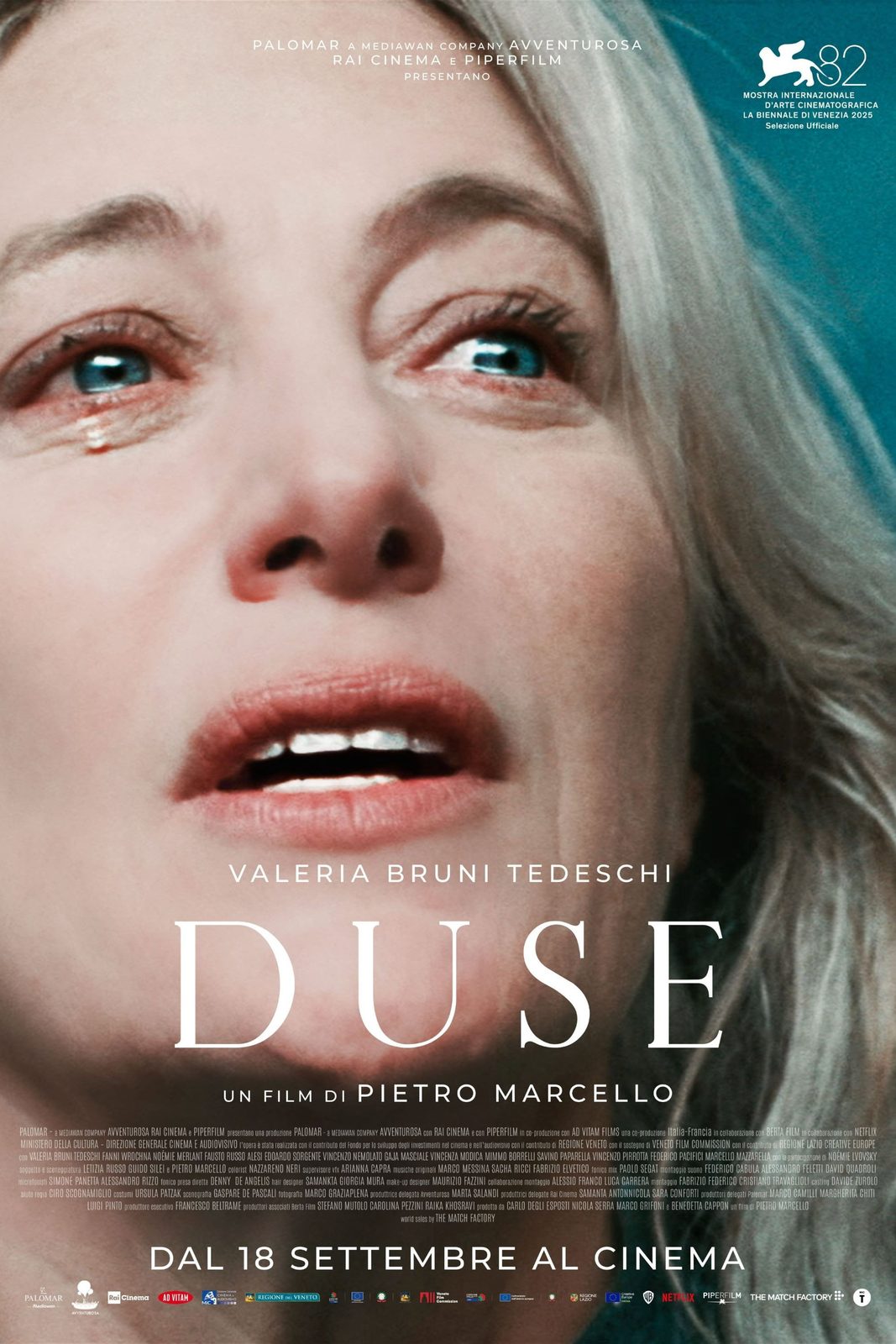
Returning once again to the 1920s, Pietro Marcello’s new film tells the story of a legendary stage actress known as the maestro. After the war, Eleonora Duse, bankrupt, collapses and stands on the threshold of death. Yet miraculously, she recovers and takes on a new challenge—acting. While the film depicts the latter stage of her life, it maintains a distance from the beauty of decline; in this sense, Marcello’s classicism differs from that of Visconti or Mizoguchi. As seen through Duse, who trusts Mussolini’s promises, Marcello’s characters are sometimes foolish. What elevates such people is their passion for art. Their longing for the future and the will power to brave even death helps them to follow their path. Whereas the protagonists in Marcello’s earlier works dreamt of literature and music, Duse yearns for theater, an art that has been pushed aside and nearly forgotten because of cinema. Bruni Tedeschi delivers a peak performance, paying tribute to the real-life figure, right up to her trembling final lines.