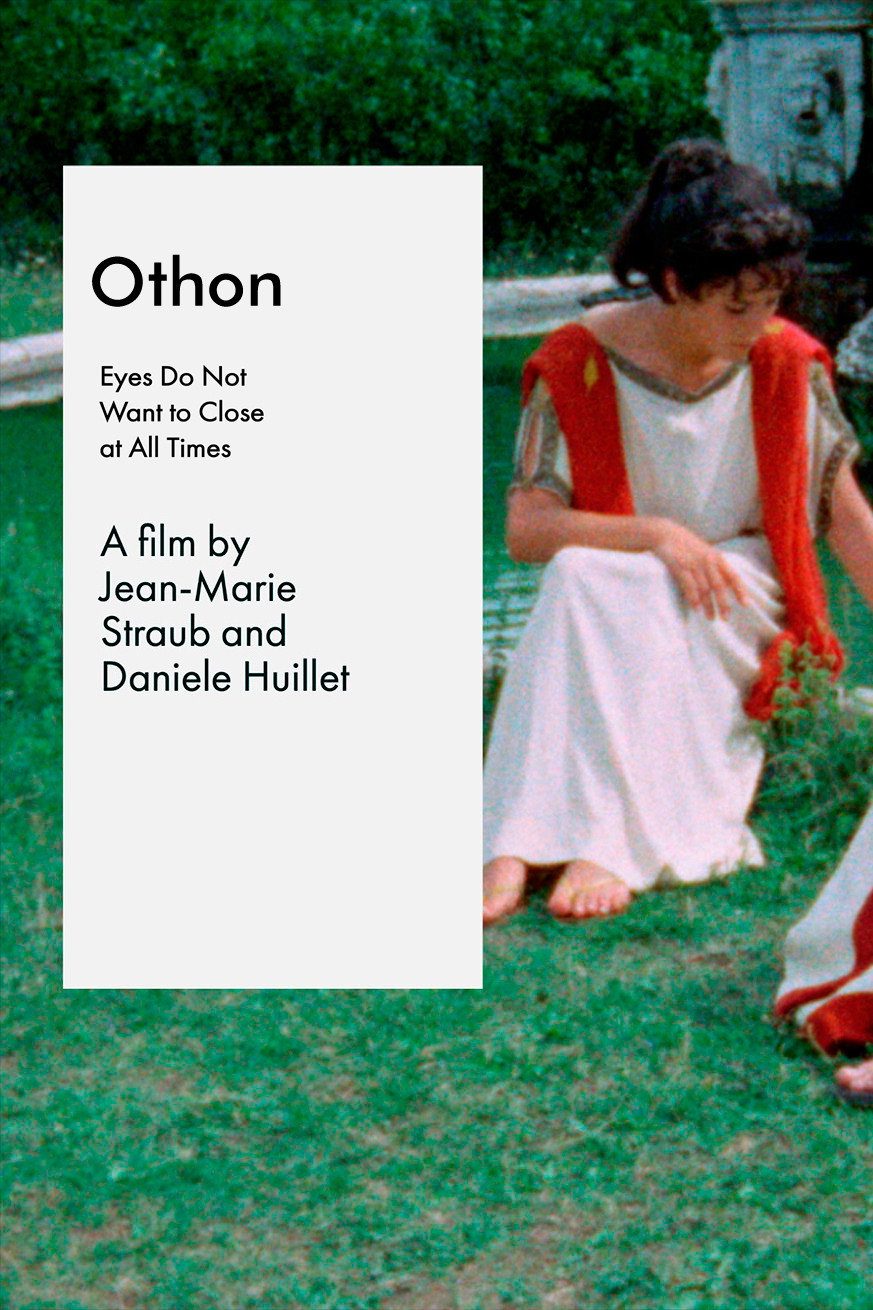
Les yeux ne veulent pas en tout temps se fermer, ou Peut-être qu’un jour Rome se permettra de choisir à son tour
Director Danièle Huillet, Jean-Marie Straub
1Festival entries
★Avg. rating
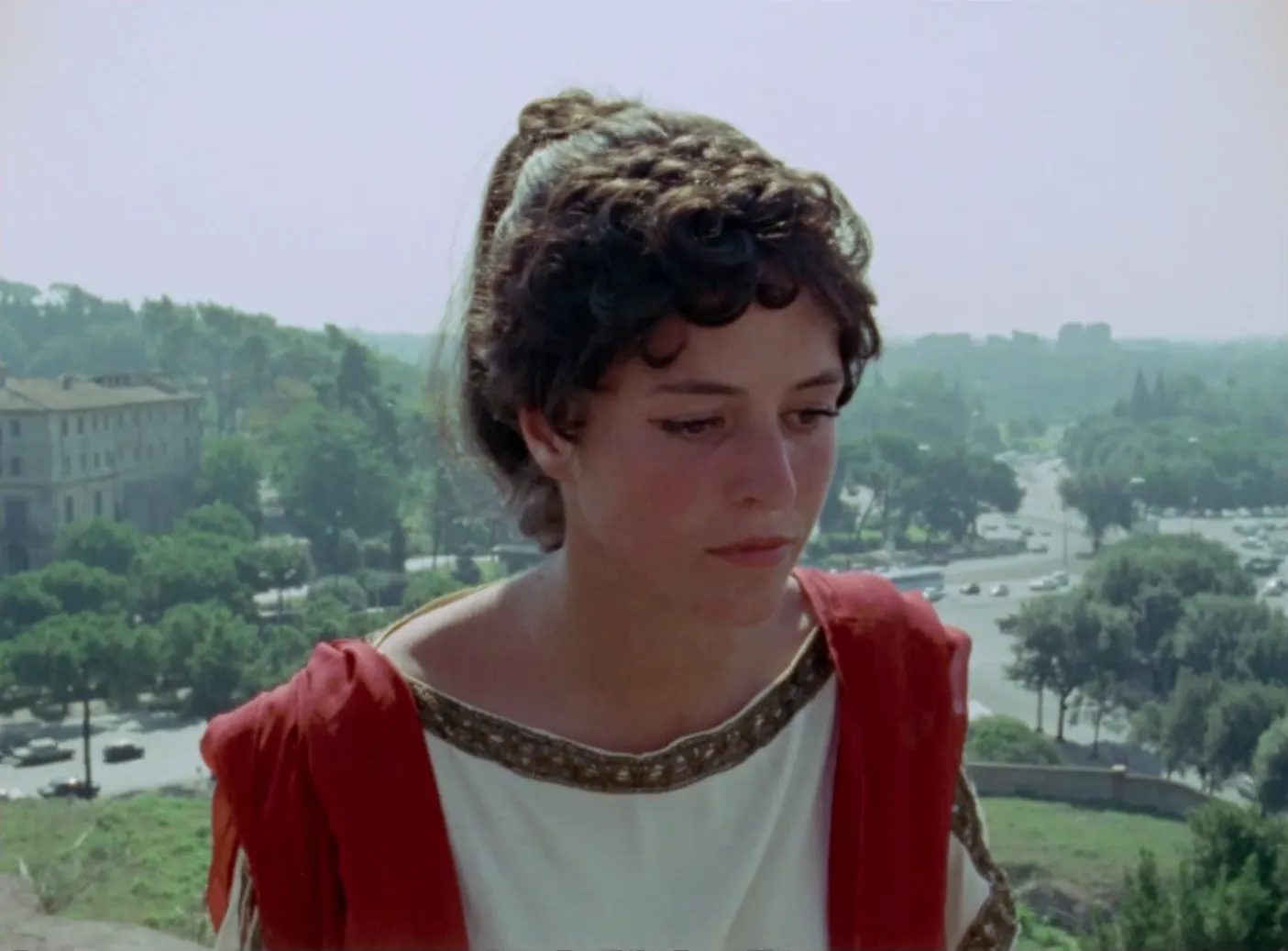
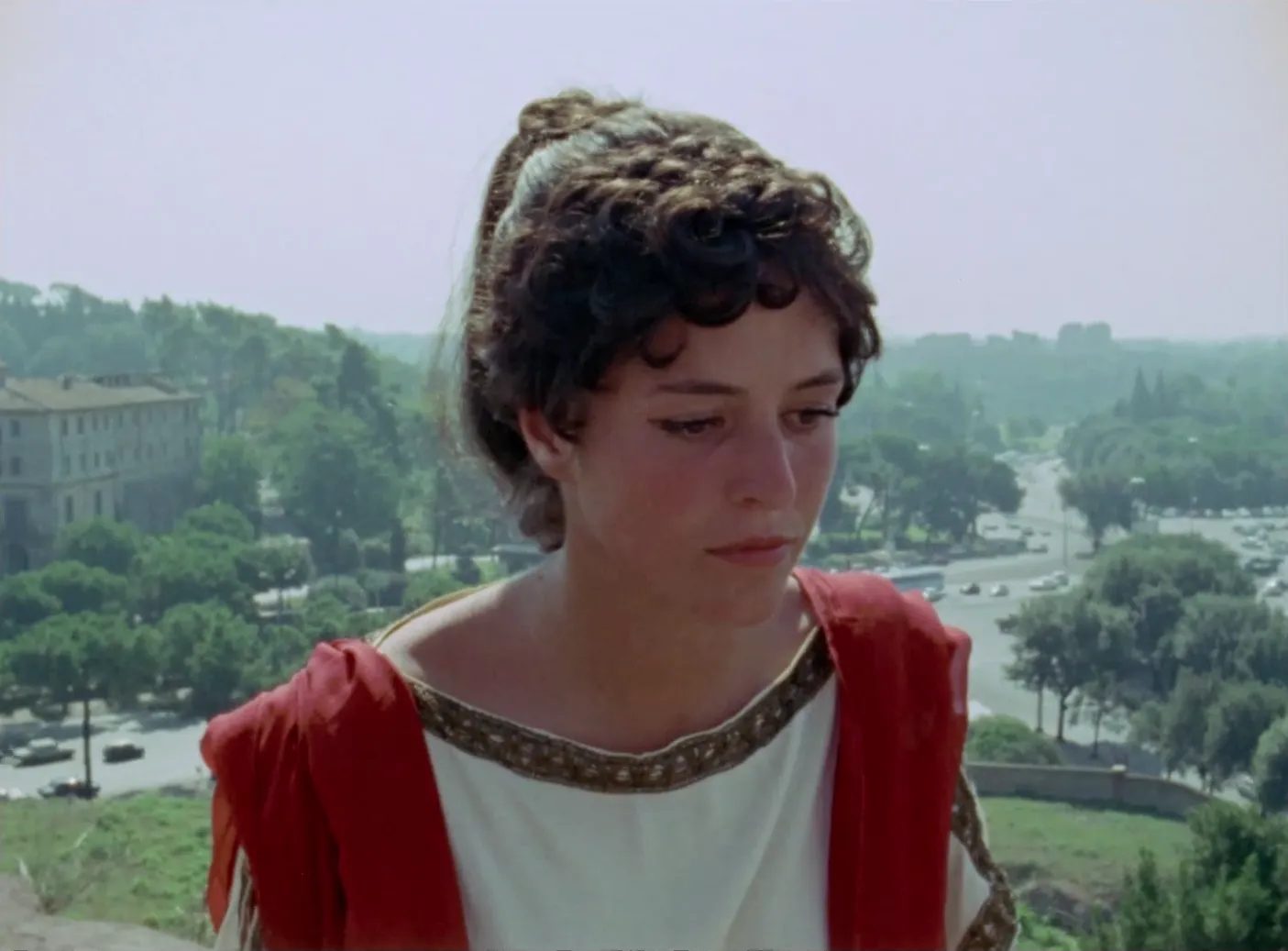
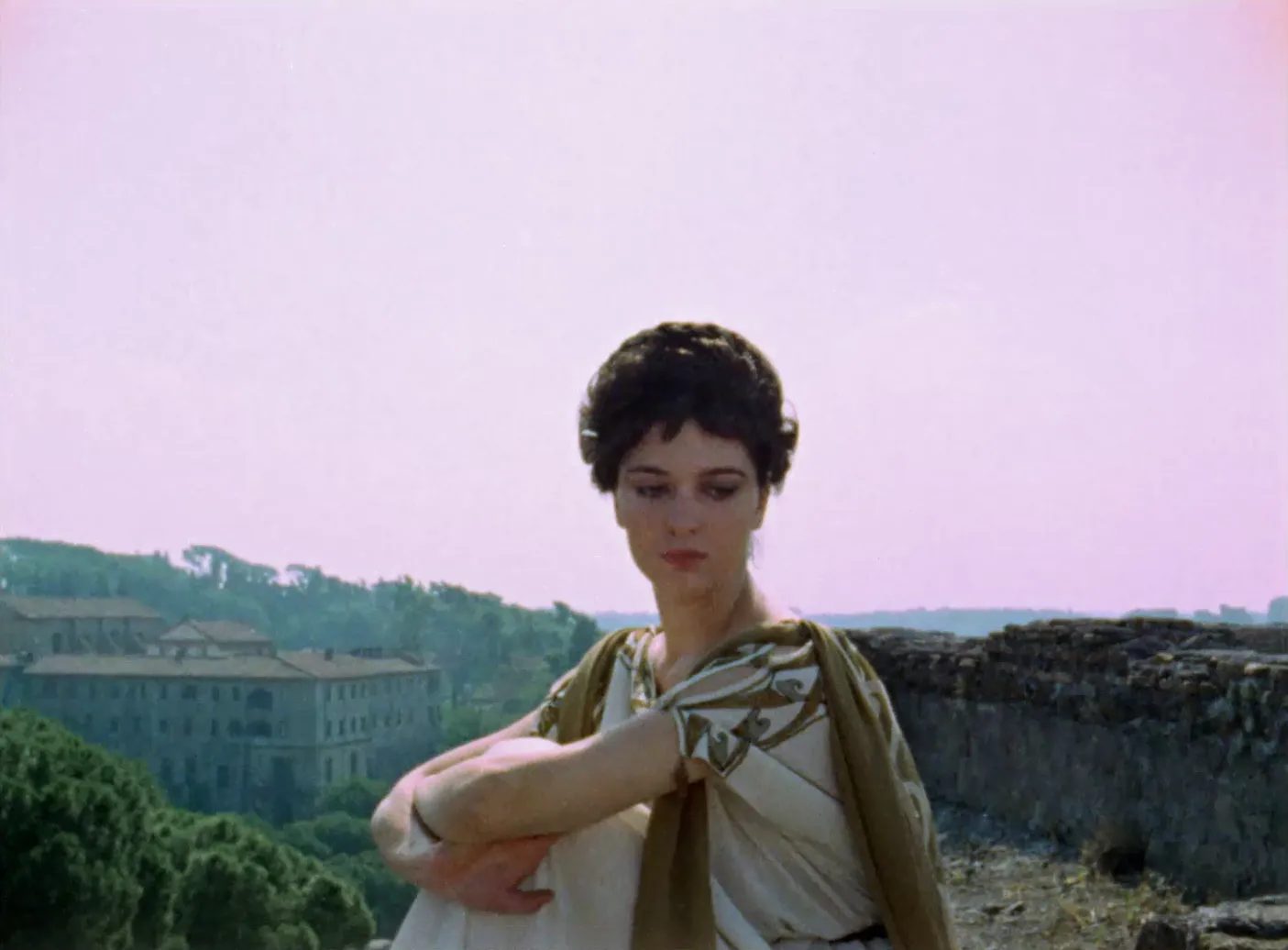
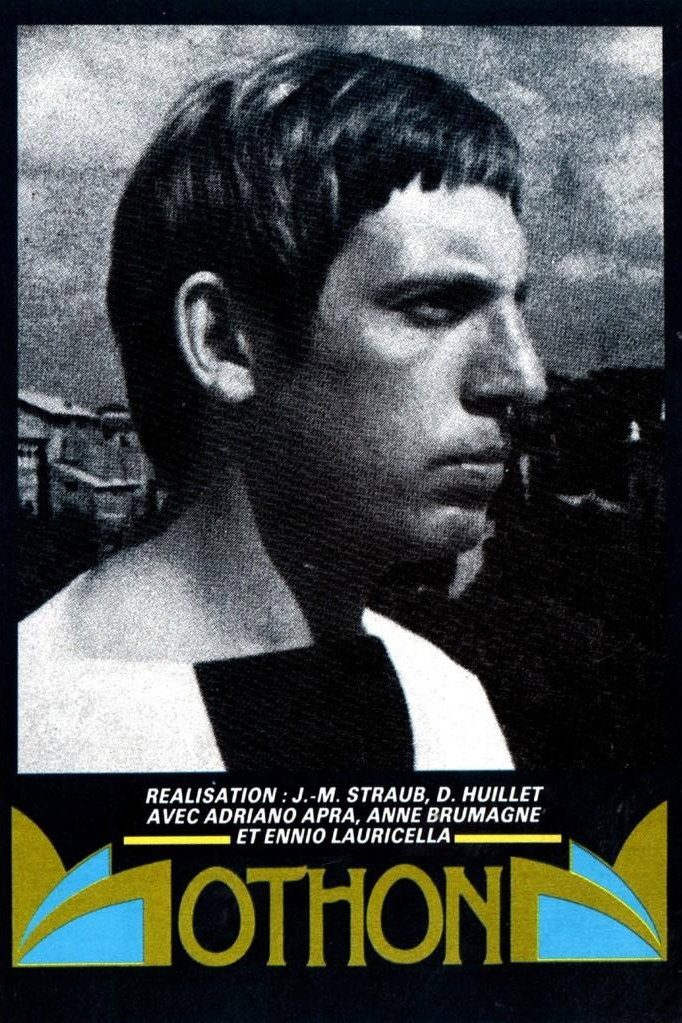
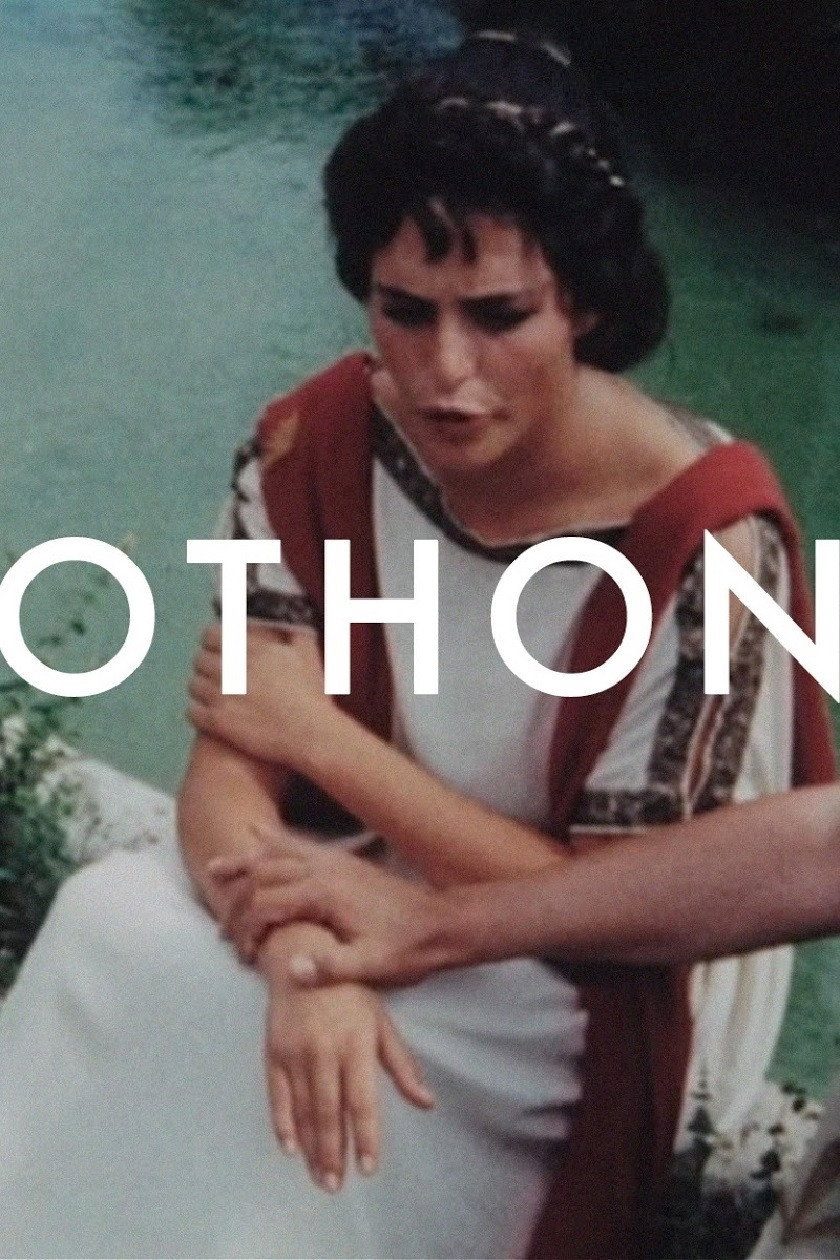
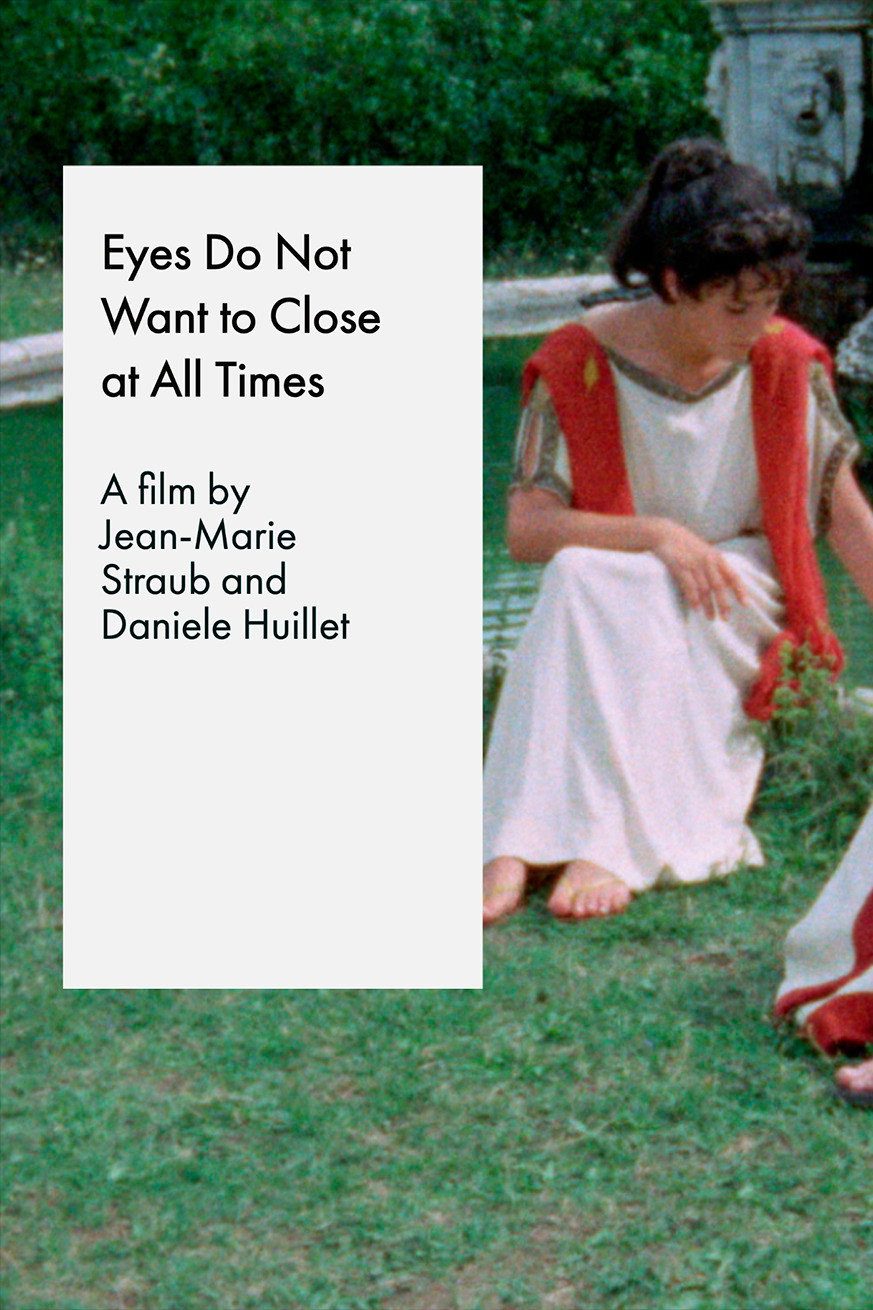
The film is a faithful adaptation of Pierre Corneille’s Othon, the classic tragedy first performed in 1664 at the court of Louis XIV at Fontainebleau. It depicts the power vacuum in the Roman Empire after the death of Emperor Nero: faced with a host of sycophantic and scheming claimants to the throne, Corneille created the epic heroine Camille, a model of conscience that refuses to submit. Straub and Huillet set the action on ancient monuments surrounded by modern Rome, embedding themselves within a complex, layered historical temporality.
Jean-Marie Straub (1933–2022) and Danièle Huillet (1936–2006) met in the 1950s. Refusing conscription for the Algerian War, the two moved to Germany, where they made Not Reconciled — adapted from a novel by Heinrich Böll — and The Chronicle of Anna Magdalena Bach, among other works. After 1969 they settled in Rome and continued to direct films that overturned mainstream modes of cinematic representation, drawing on classic works of art and contemporary texts of resistance by figures such as Franz Kafka, Hölderlin, Corneille, Brecht, and Schoenberg.