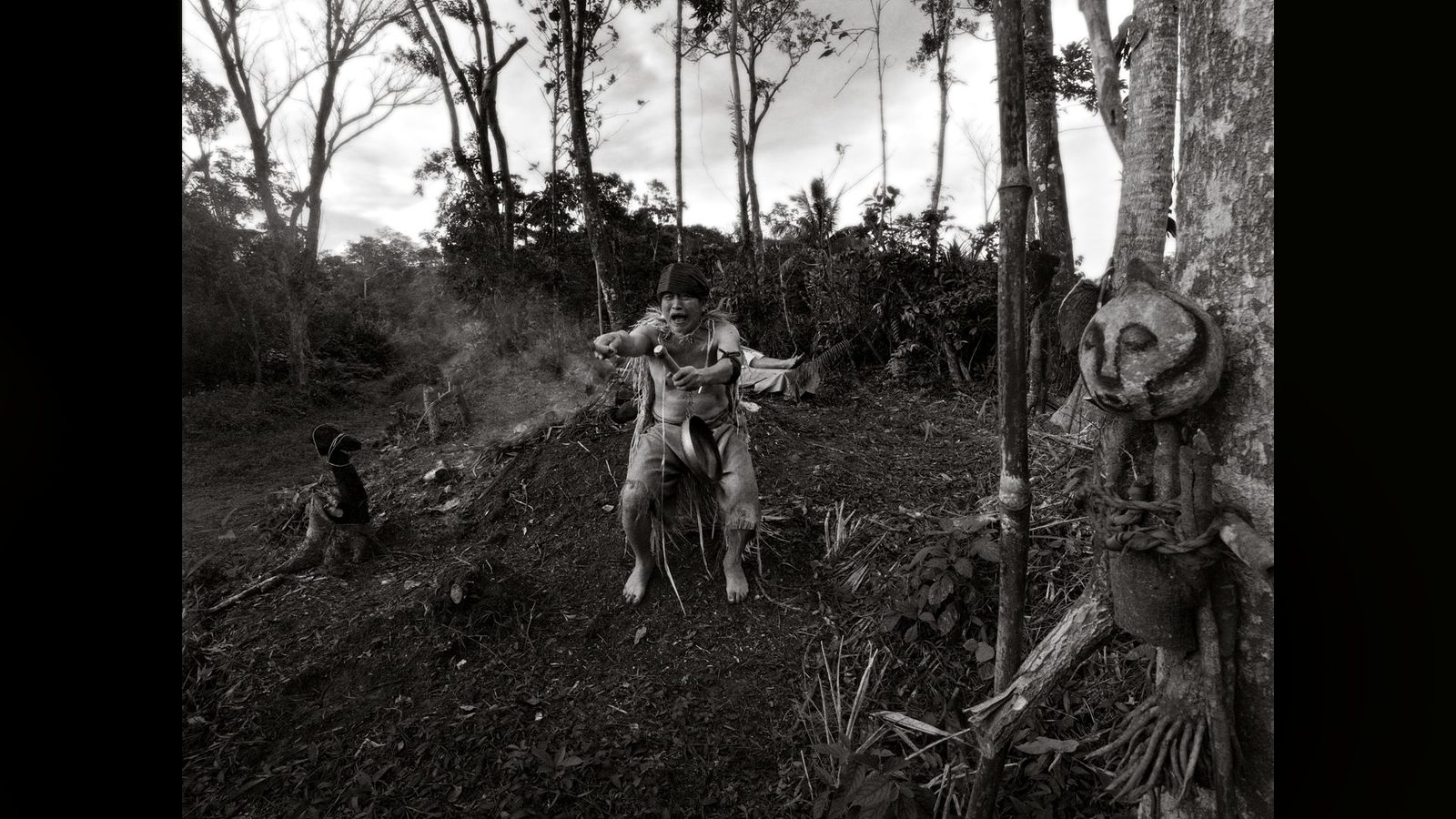
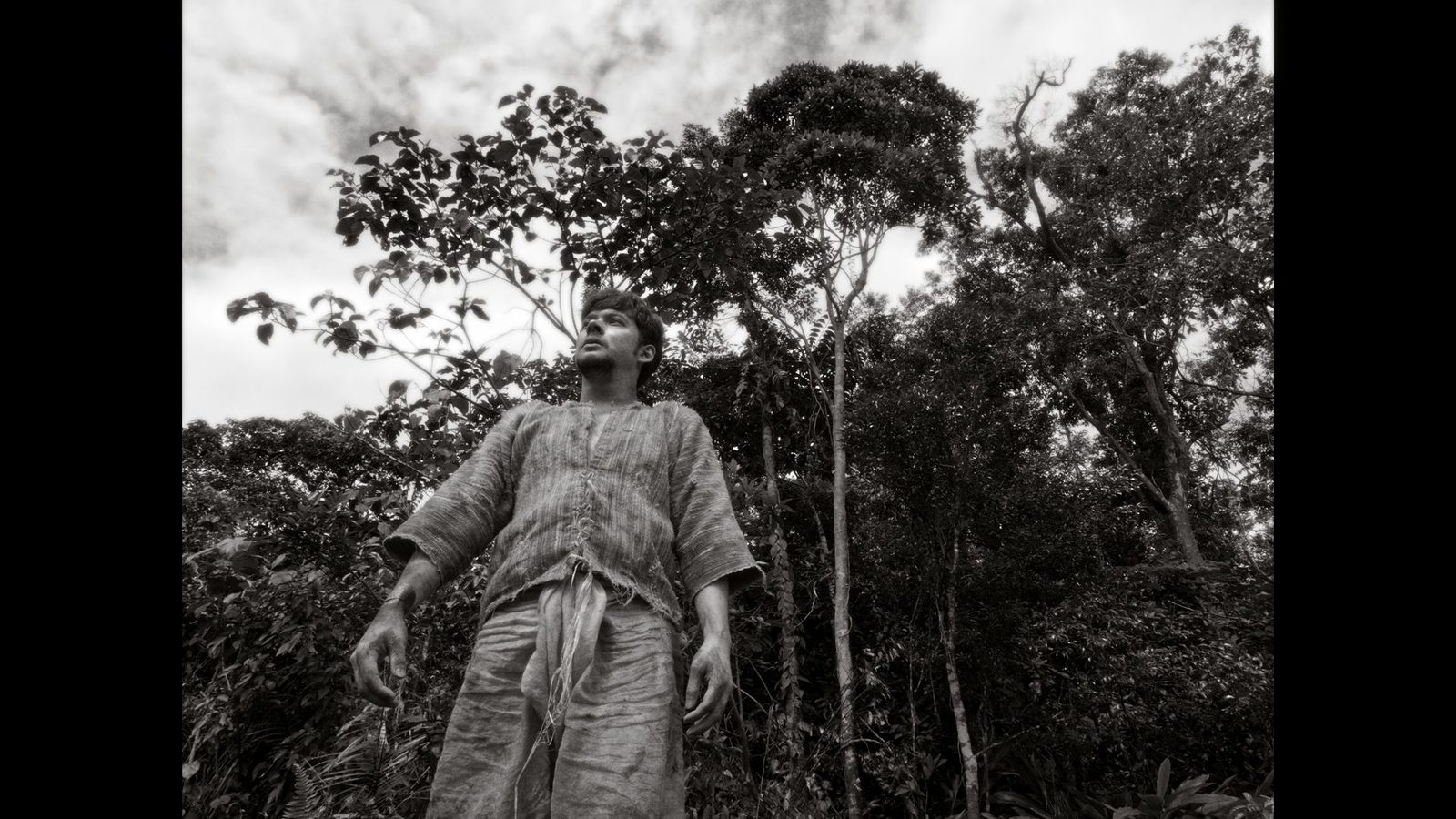
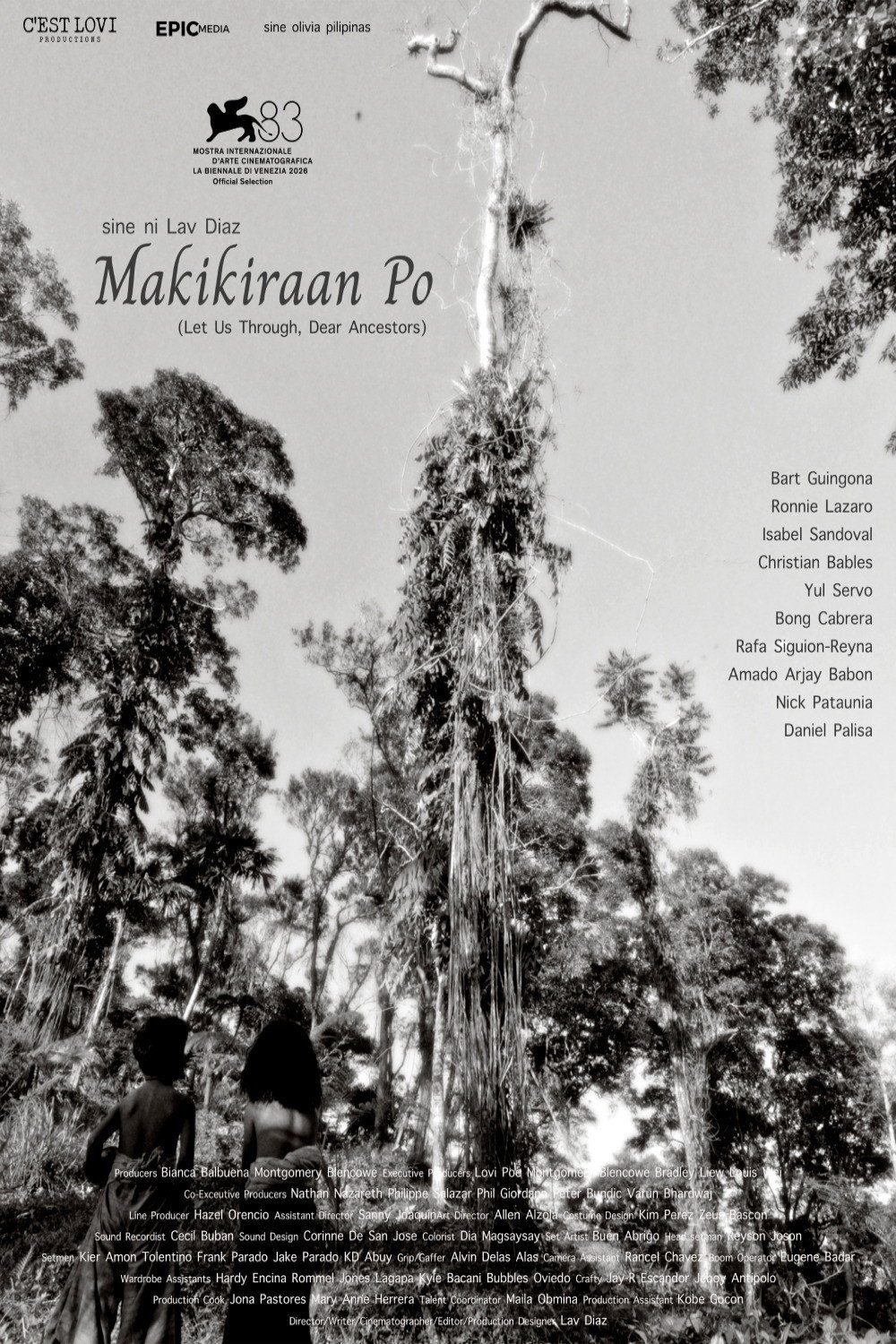
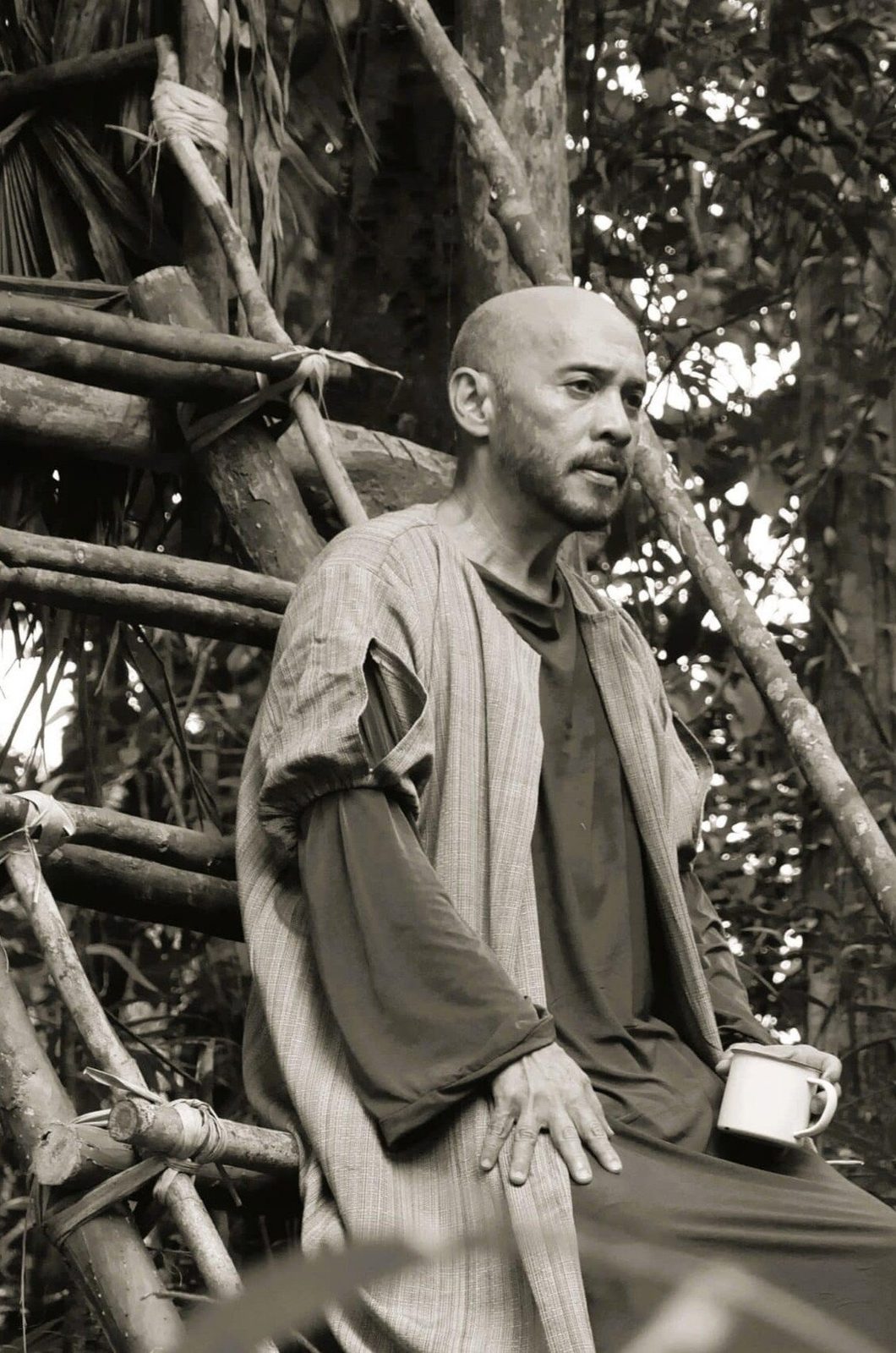
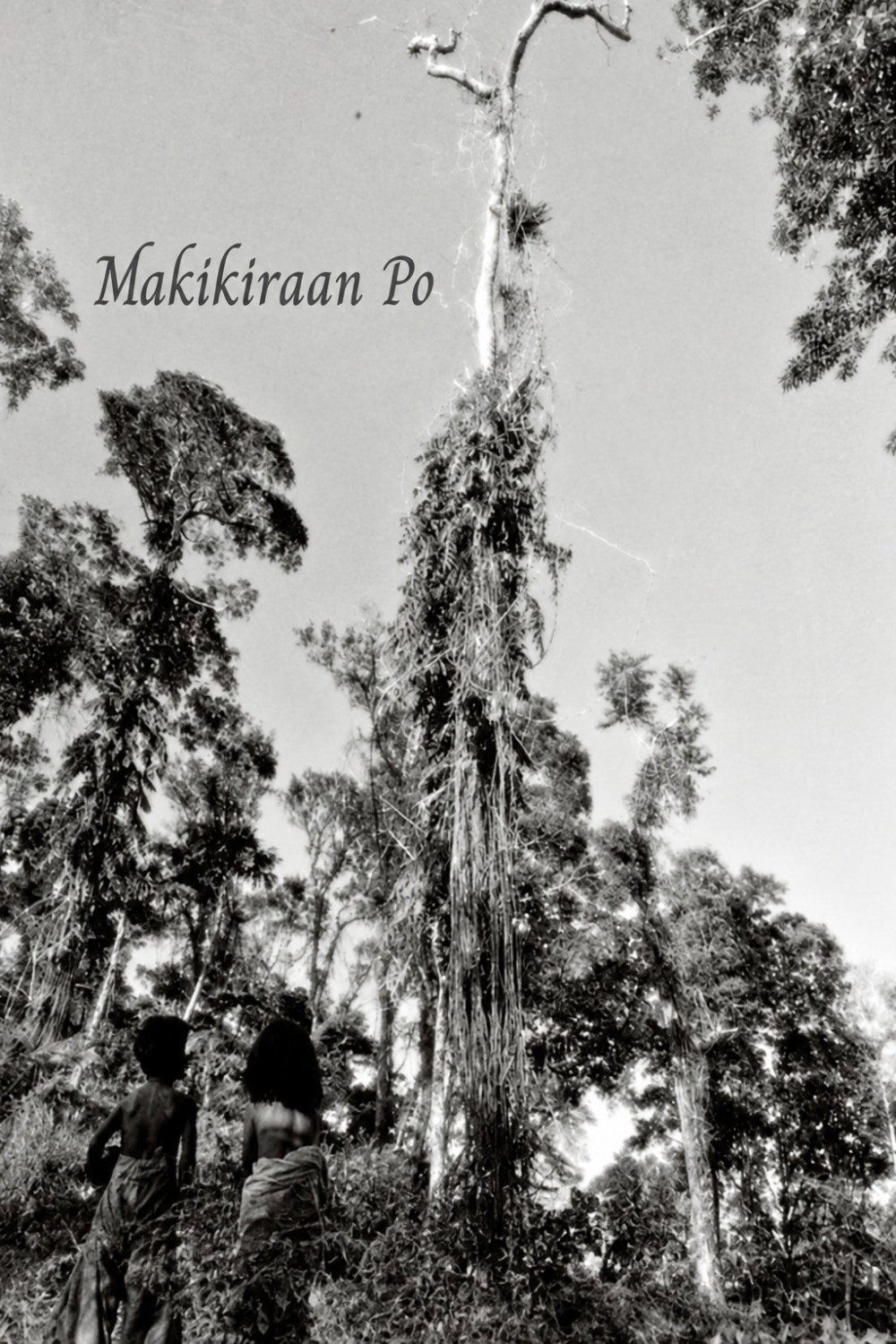
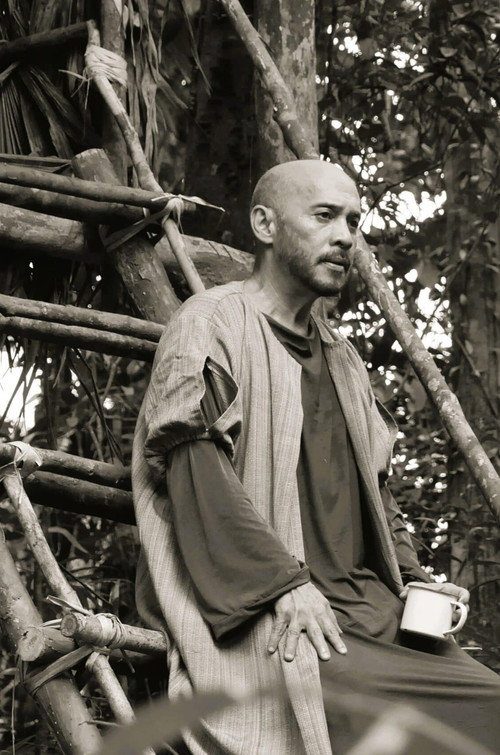
The Philippines under Spanish colonial rule in 1617. Father Enciso rules with violence, indulges in sexual exploitation, dismisses the indigenous people’s folk beliefs as savage, and forces them to convert to Catholicism. He orders his son Dungwen to transport blocks of marble for the construction of a church, and Dungwen and others must travel over 50 kilometers along a perilous route to evade the notorious robber Baribari. The church Father Enciso seeks to build is not a sacred symbol of salvation but evidence of violence, stained with the blood and forced labor of the indigenous people. Lav Diaz, who had shaken the mythical origins of colonialism in his previous film Magellan (2025), turns to the micro-level material foundations through which colonial order is established - land, labor, and religion. The original Tagalog title, ‘Makikiraan Po’ meaning ‘let us through,’ is a desperate plea for passage toward a history and community that have been cut off. Summoning the ghosts and memories of violence hidden behind Western order, this film is a record of Diaz’s fierce resistance and self-reflection as he seeks to reconstruct an archive of erased history.
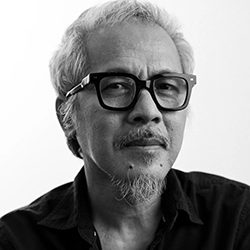
Born in 1958 in Cotabato, Lav Diaz is a filmmaker based in the Philippines. He is renowned for his contemplative narrative style and extensive exploration of the Filipino socio-political landscape through cinema. Diaz has profoundly influenced the international film scene with his unique approach to duration and storytelling.
From Tokyo International Film Festival 2026, No. 39