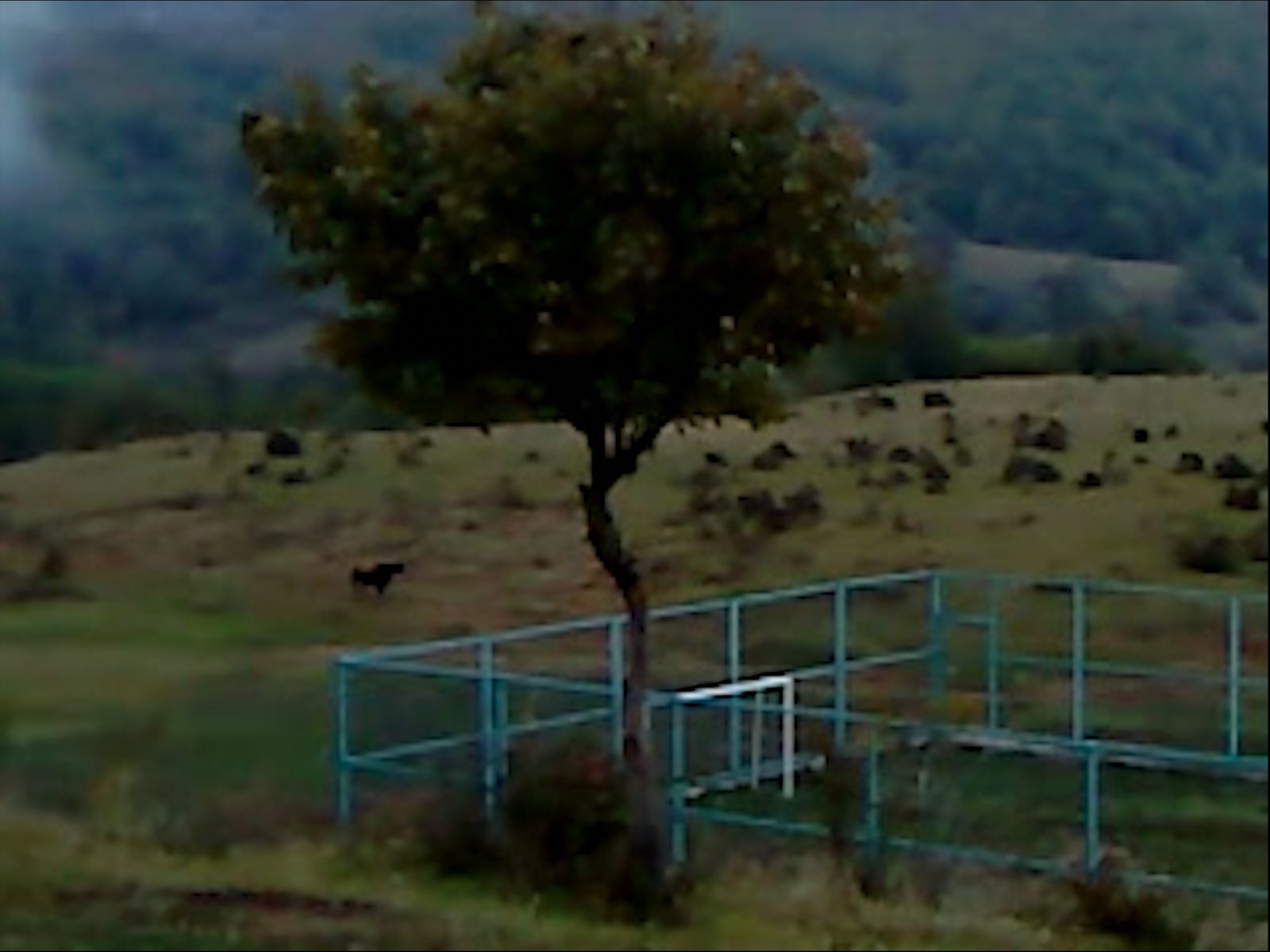
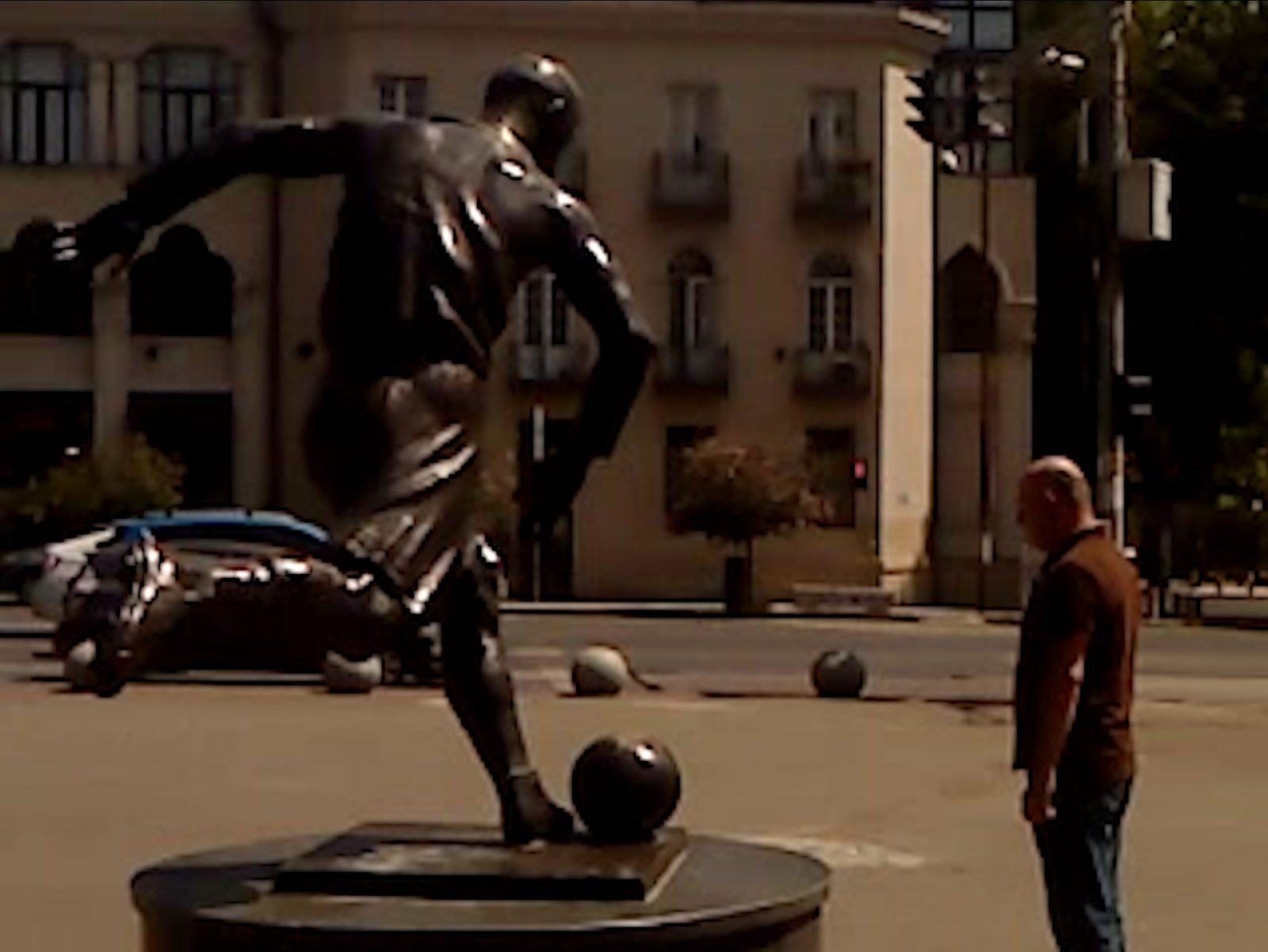
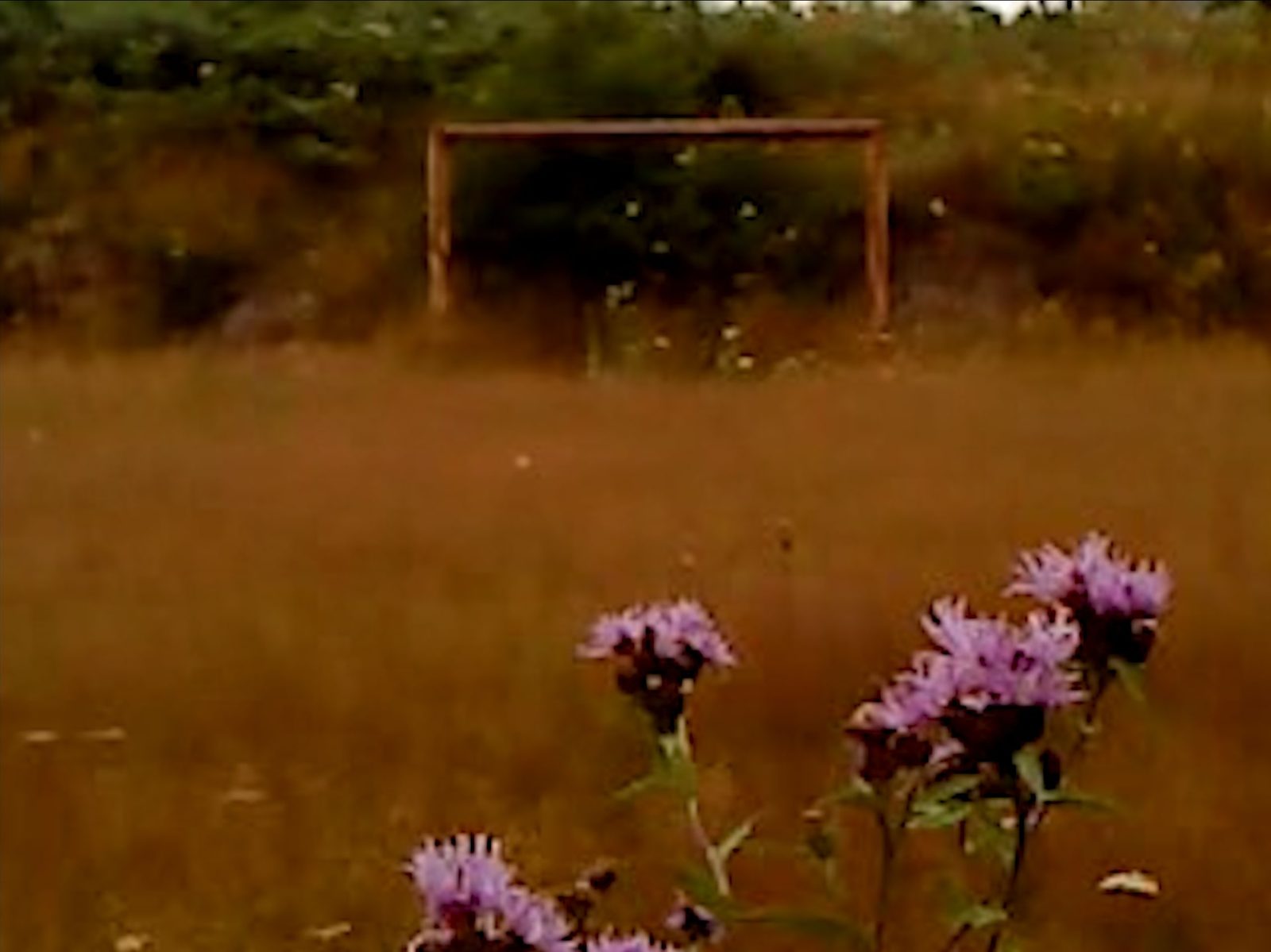
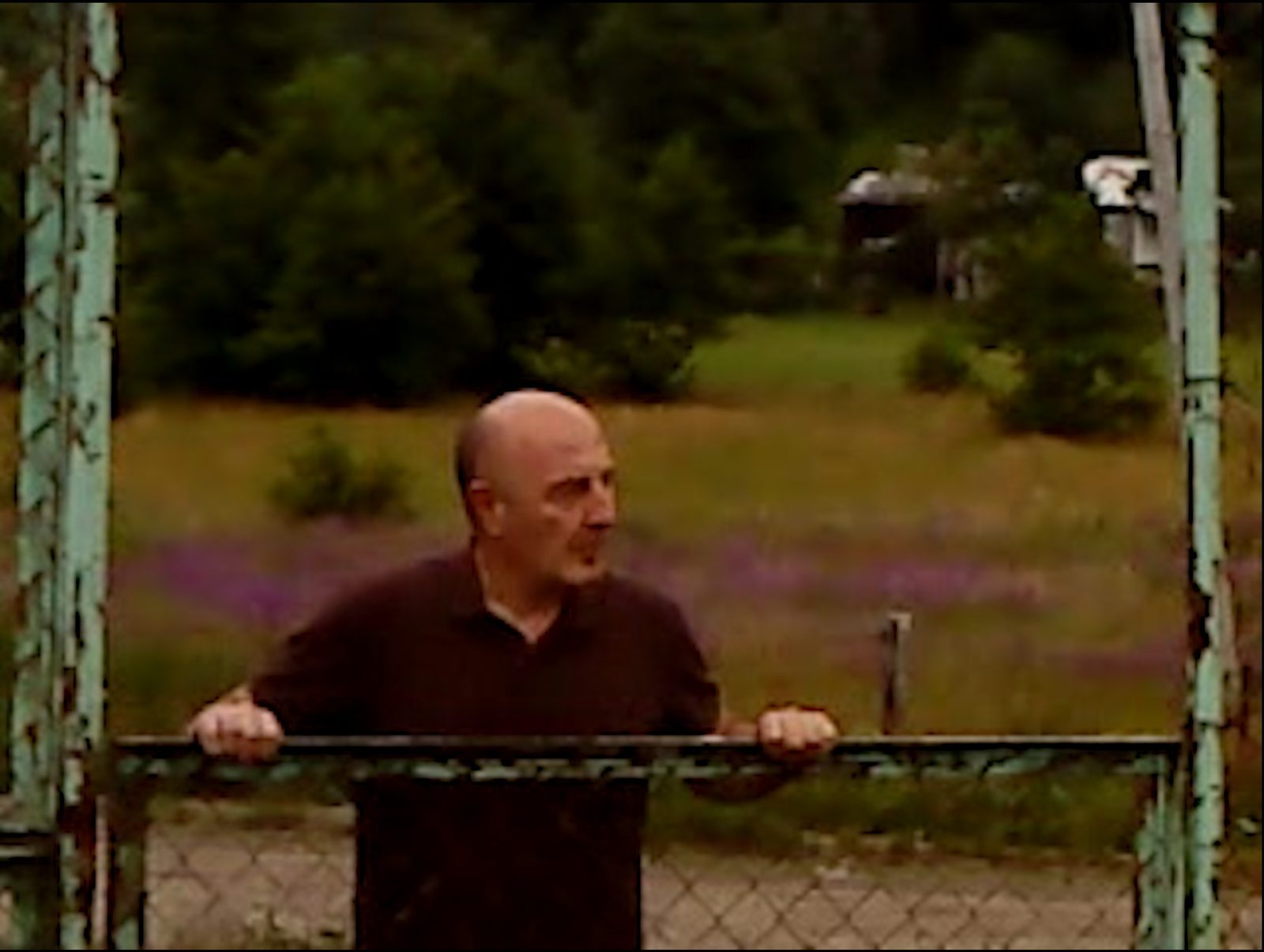
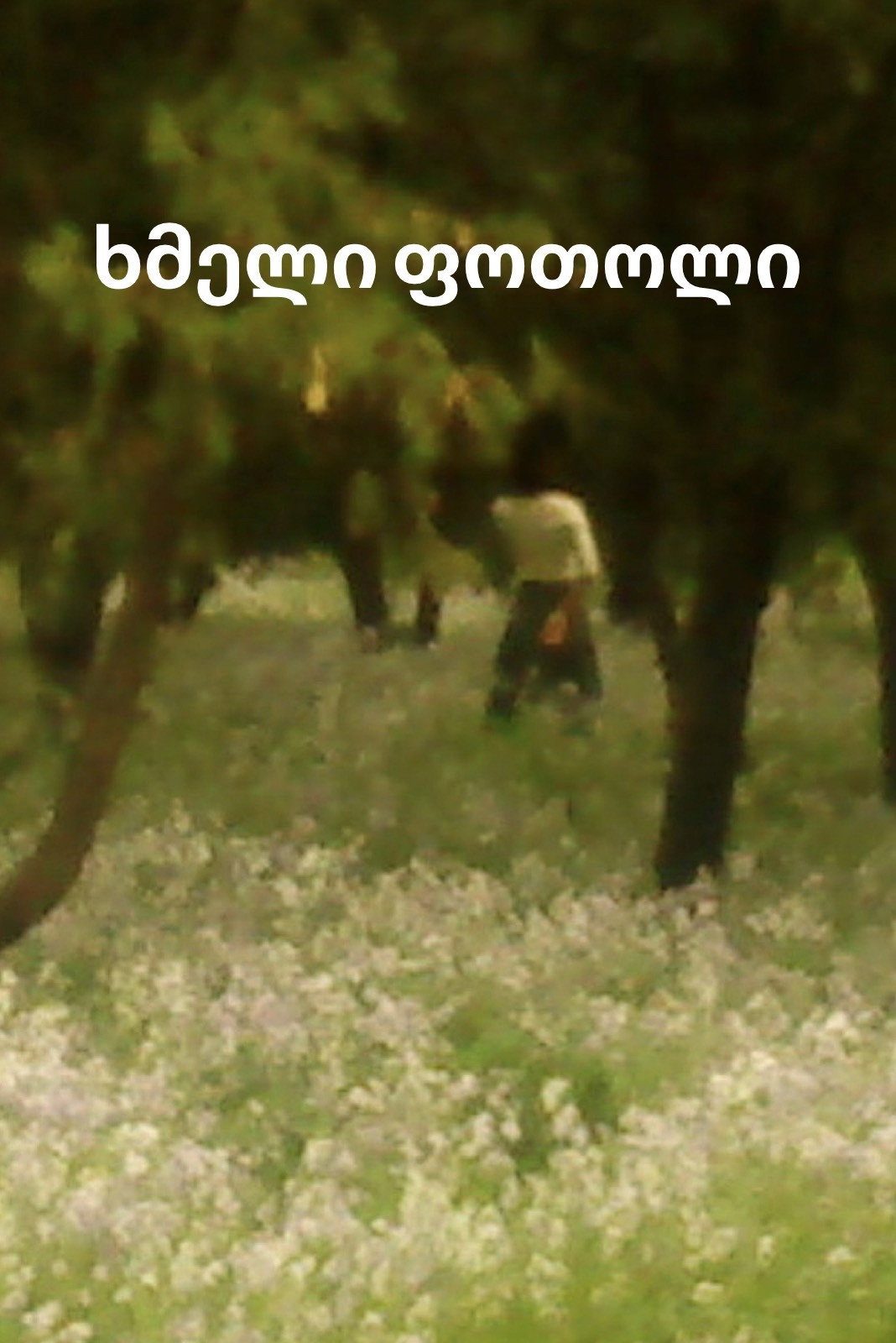
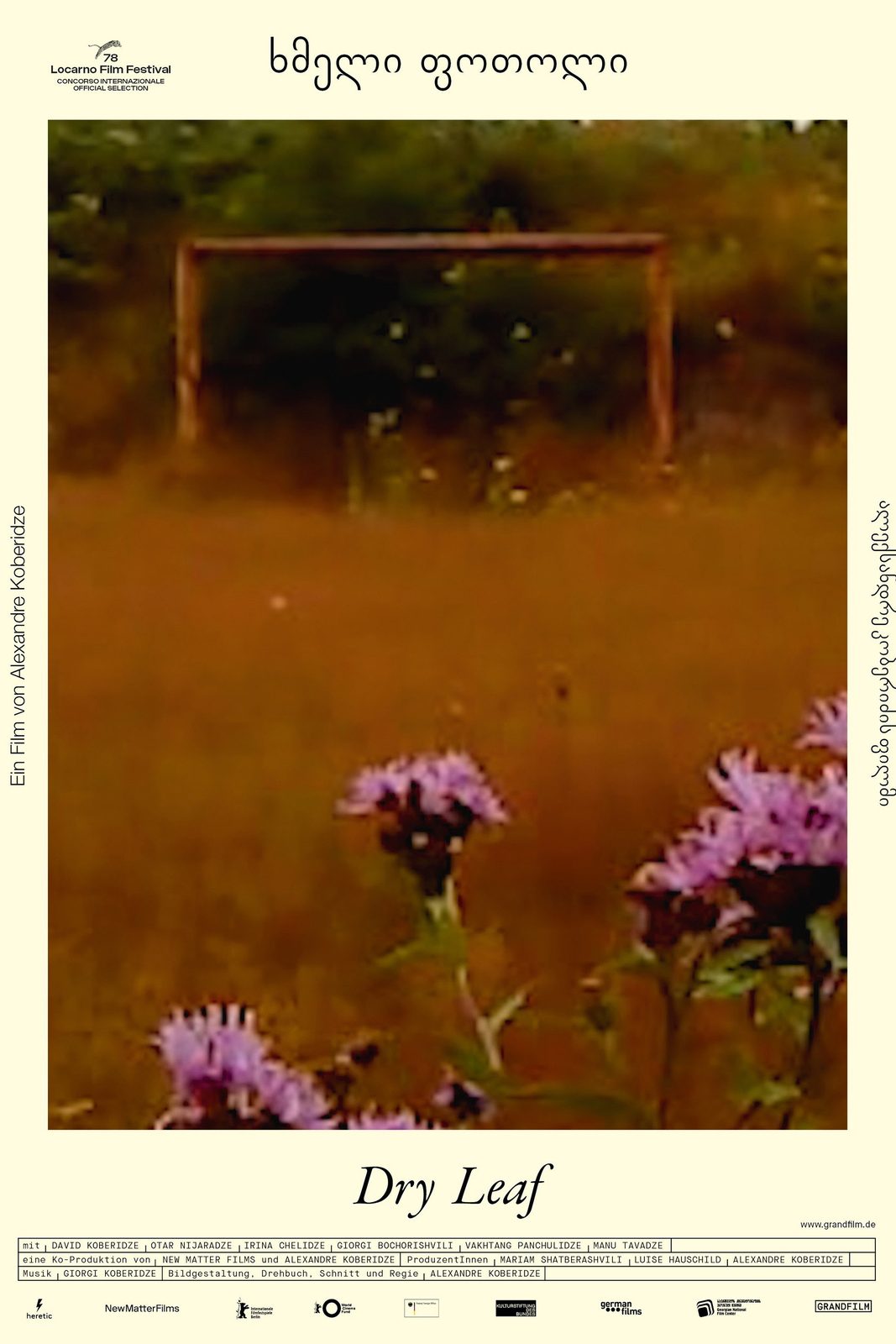
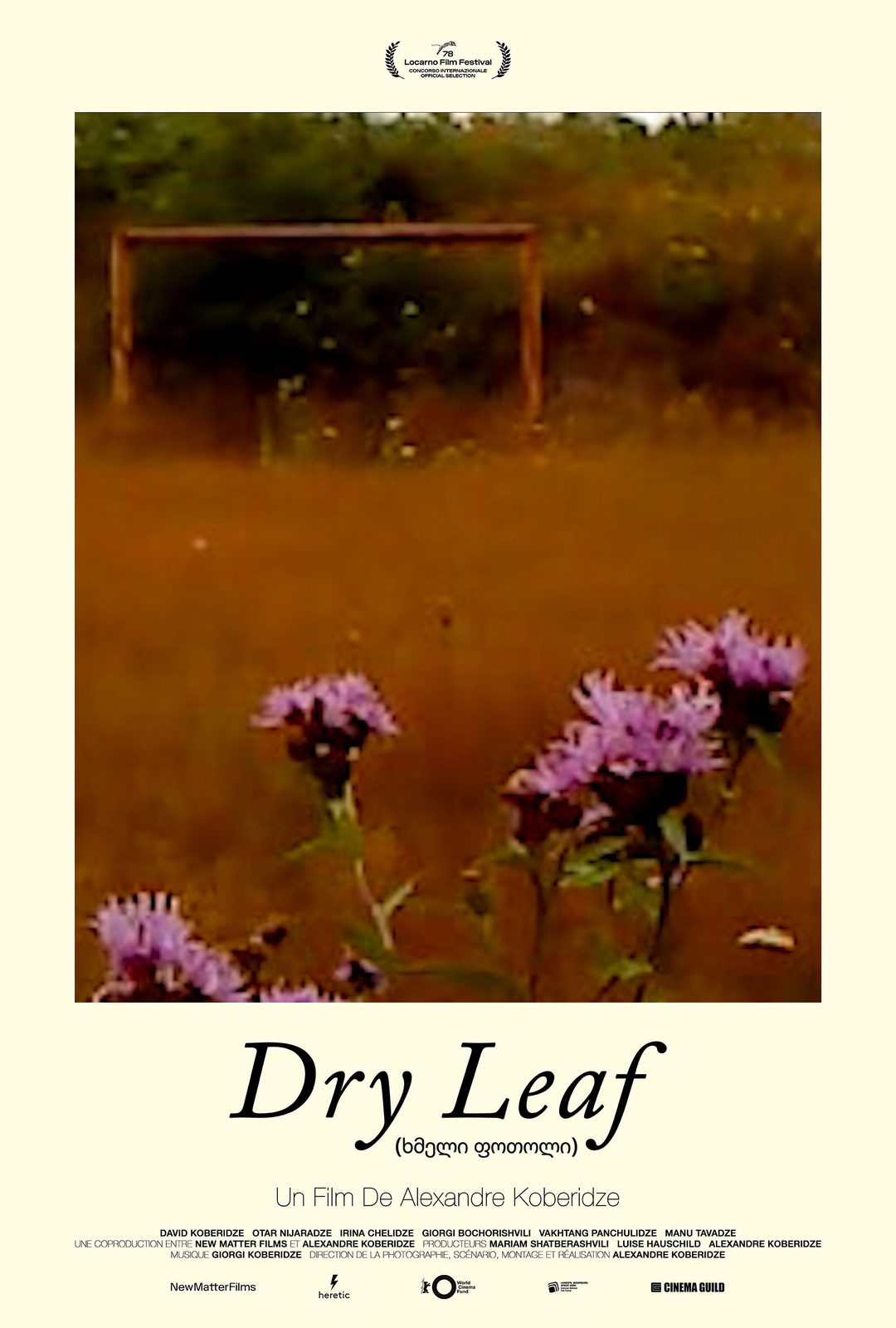
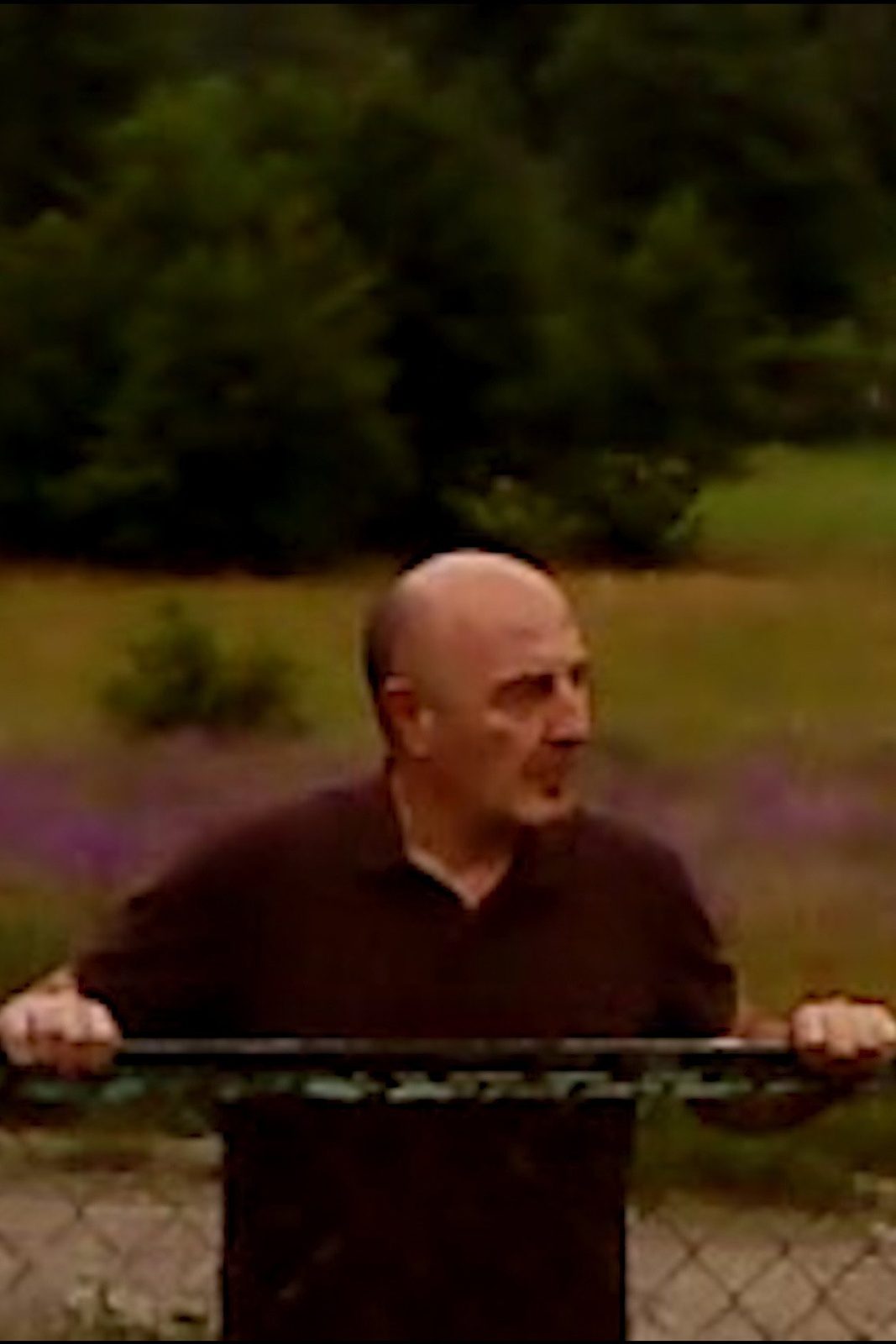
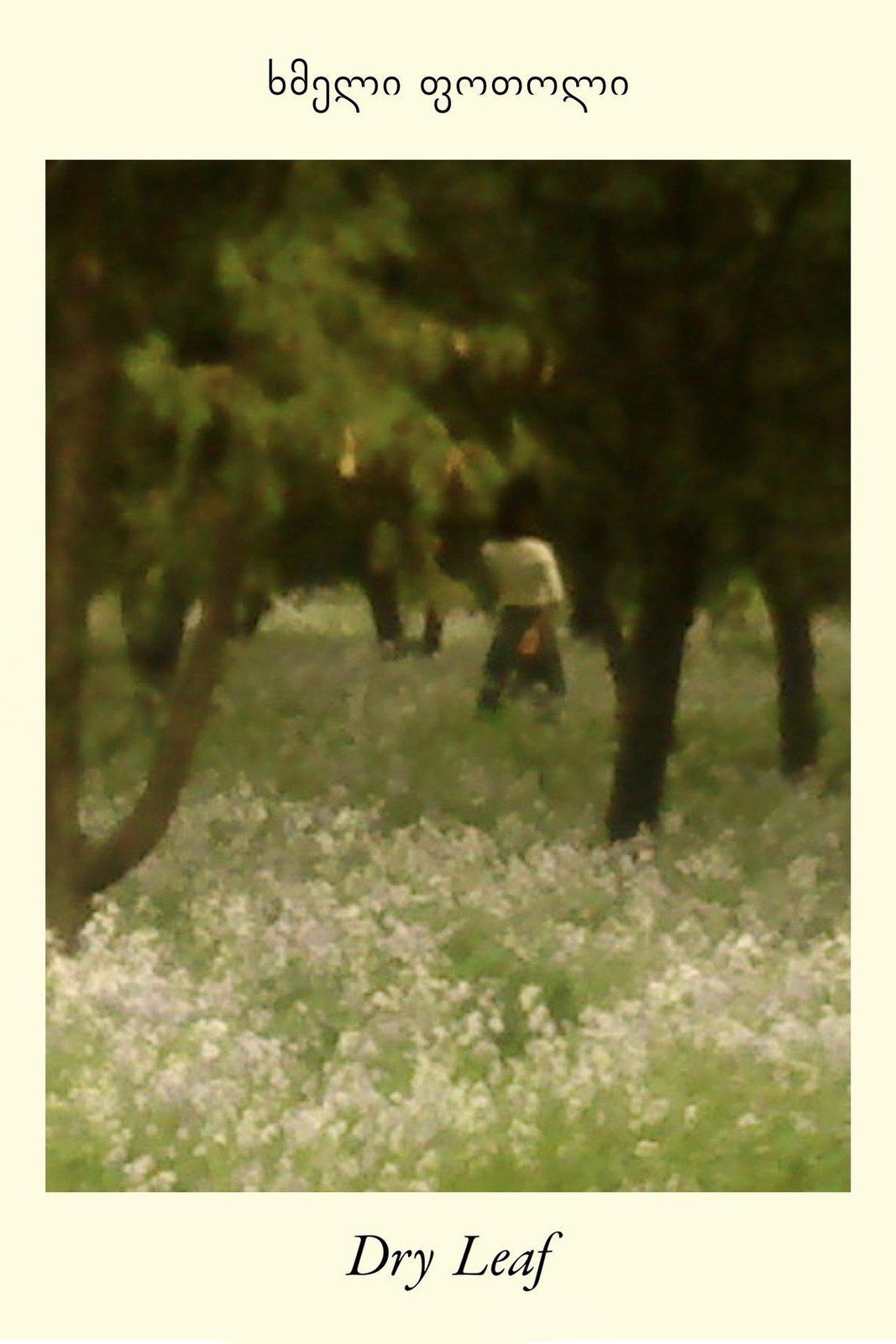
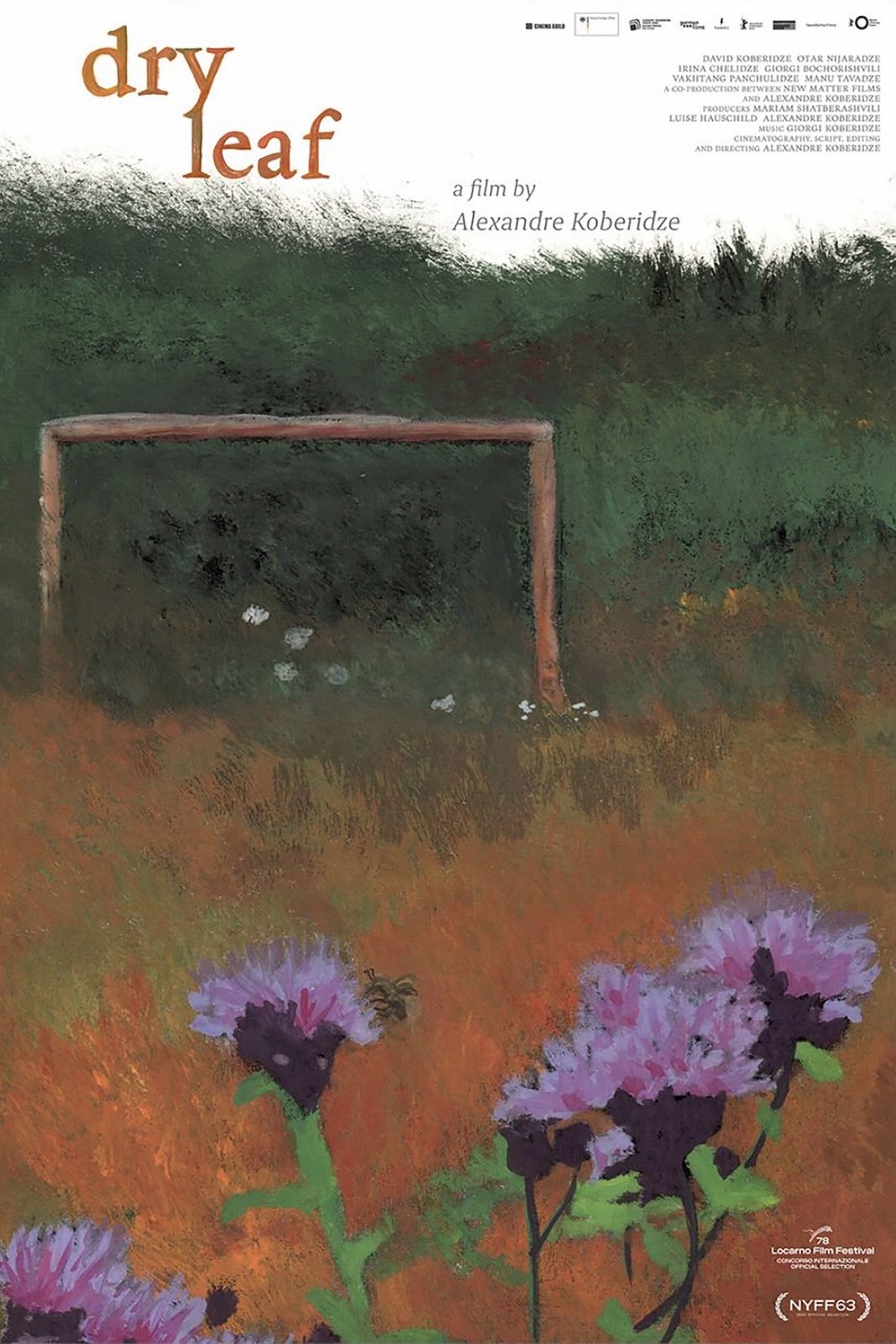
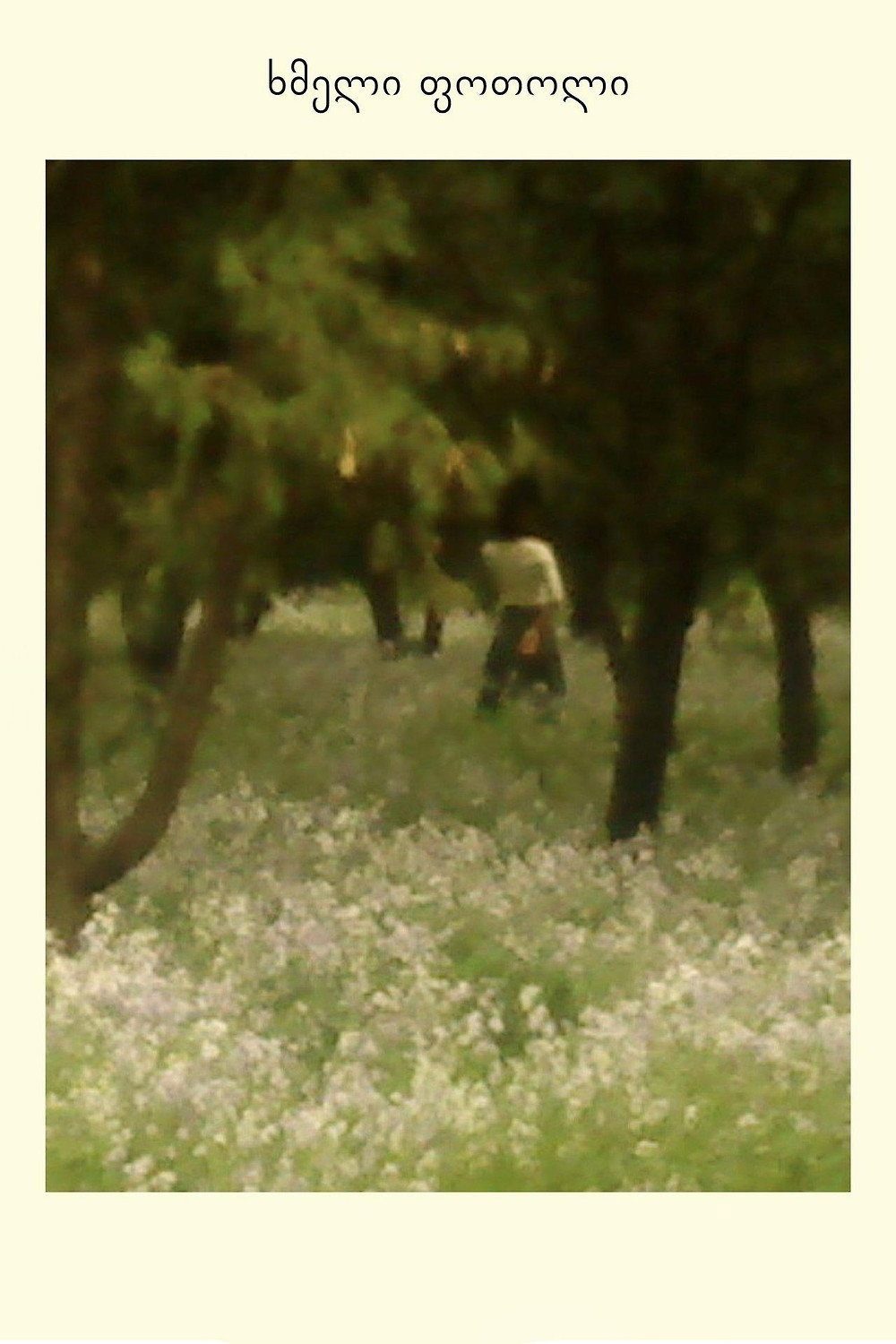
After two love stories, Koberidze depicts a father wandering in search of traces of his daughter. Accompanying the father on this path is (quite literally) an invisible presence, and even the rural people who answer his questions often remain out of sight. Although it feels like a ghostly road movie, the one who moves forward along a line eventually traces a large circle and returns to where he started. As the scenery shifts from city to countryside, trees, grass, and animals appear more frequently, and you might be surprised at the low-resolution images shot on a mobile phone, reminiscent of his debut. The digital fragments are like the brushstrokes in a painter′s hand, and with its unique light and tempo, Dry Leaf deserves to be called an ‘impressionist film.’ The way the film lingers over its subjects and its humor reminds us of the great Georgian predecessor Otar Iosseliani. Koberidze has proven twice that a film with a runtime of over three hours can become a poem.
Alexandre Koberidze, who studied film production and directing in Georgia and Germany, has directed several short films. His feature debut, Let the Summer Never Come Again (2017), received the Grand Prix and Best First Film Award at the Marseille International Film Festival, as well as the German Film Critics Award, gaining him significant recognition. What Do We See When We Look at the Sky? (2021) was invited to the Competition section of the Berlin International Film Festival, where it won the FIPRESCI Prize, and the following year, it was awarded Best Feature Film by the German Film Critics Association. His latest film, Dry Leaf (2025), in which his father plays the lead role, was invited to the Competition section of the Locarno Film Festival and received a Special Mention and won the FIPRESCI Prize. In addition to his filmmaking, Koberidze actively contributes film-related writings to various media outlets.
From Busan International Film Festival 2025, No. 30