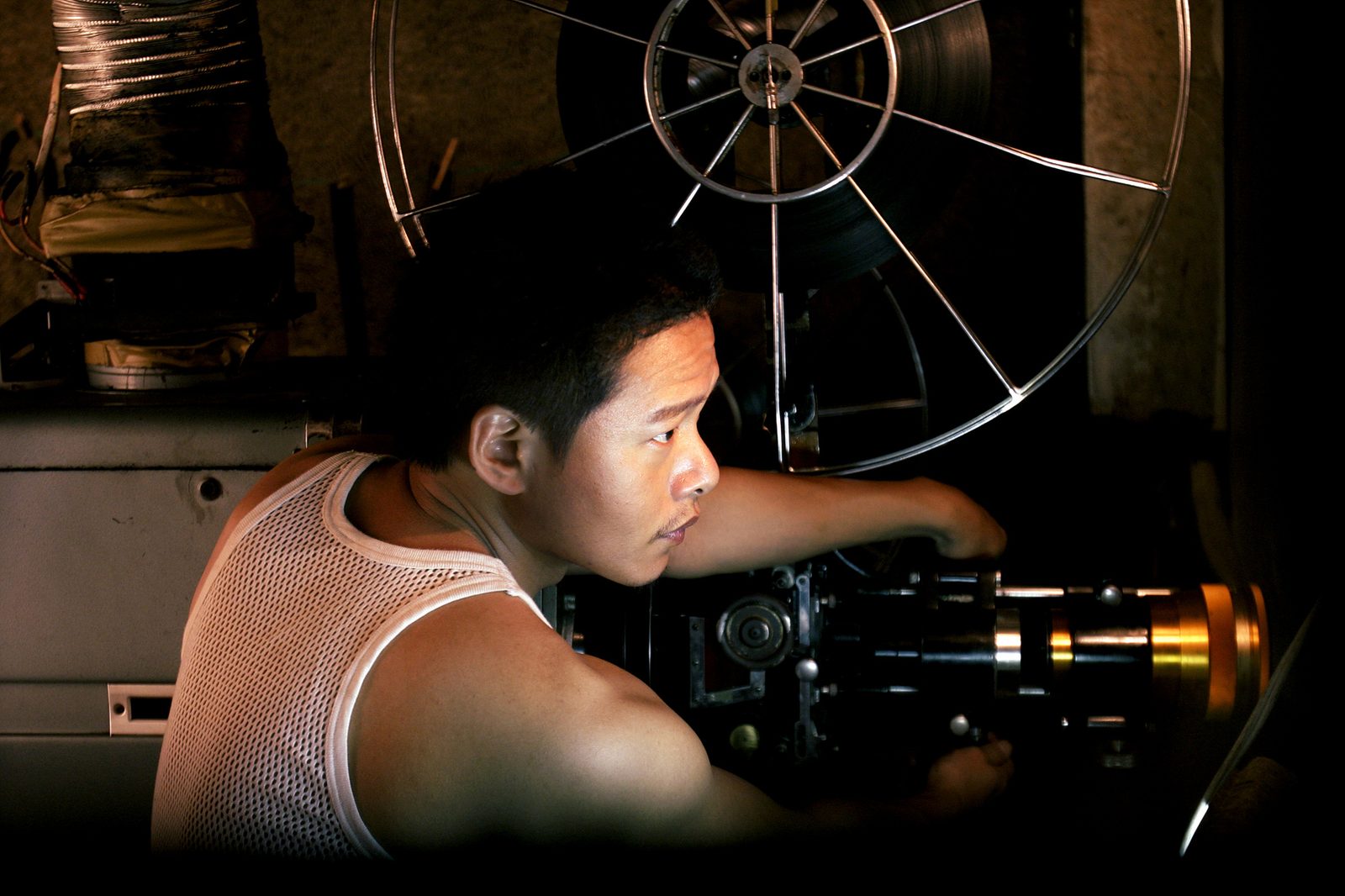
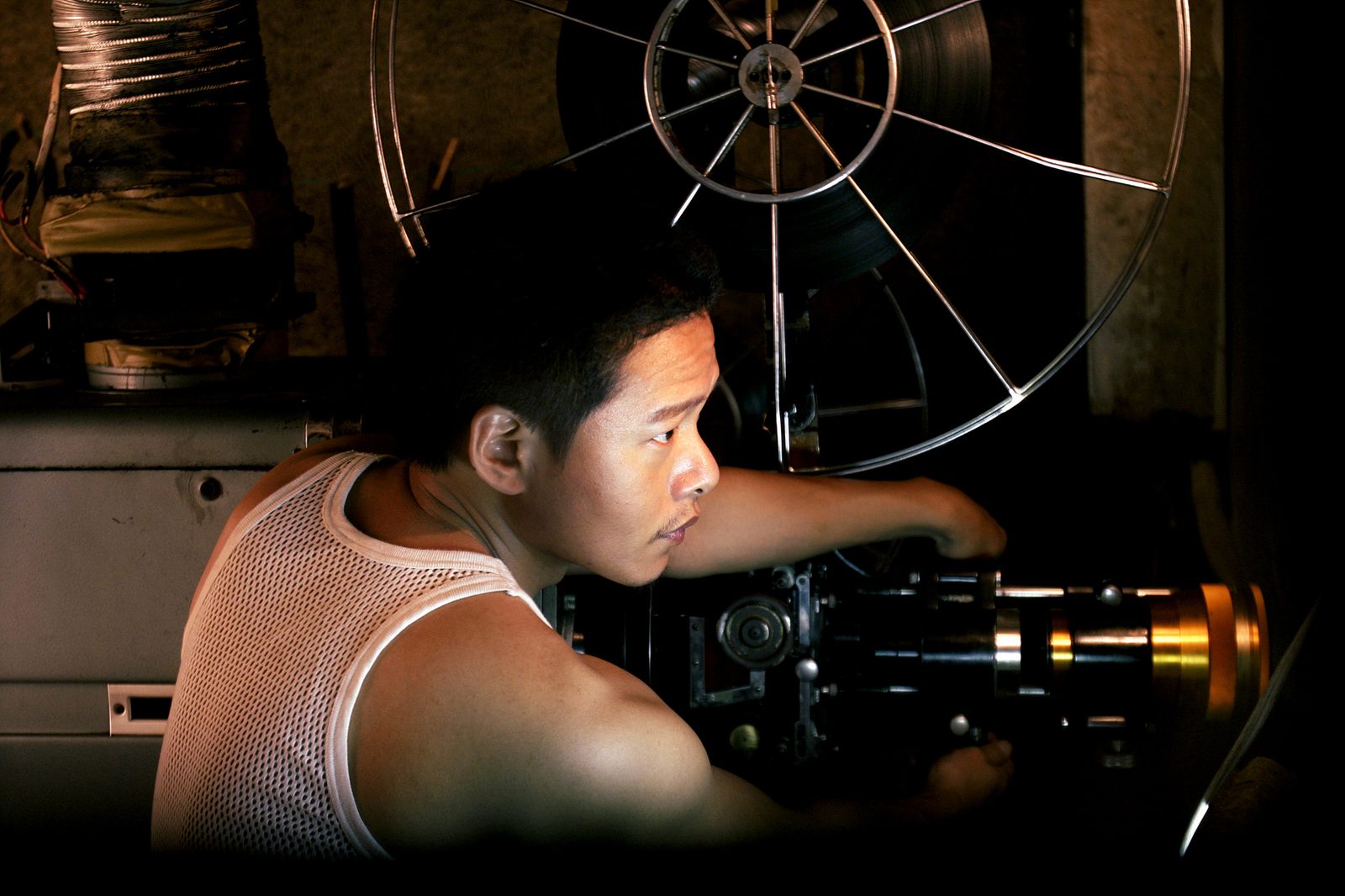
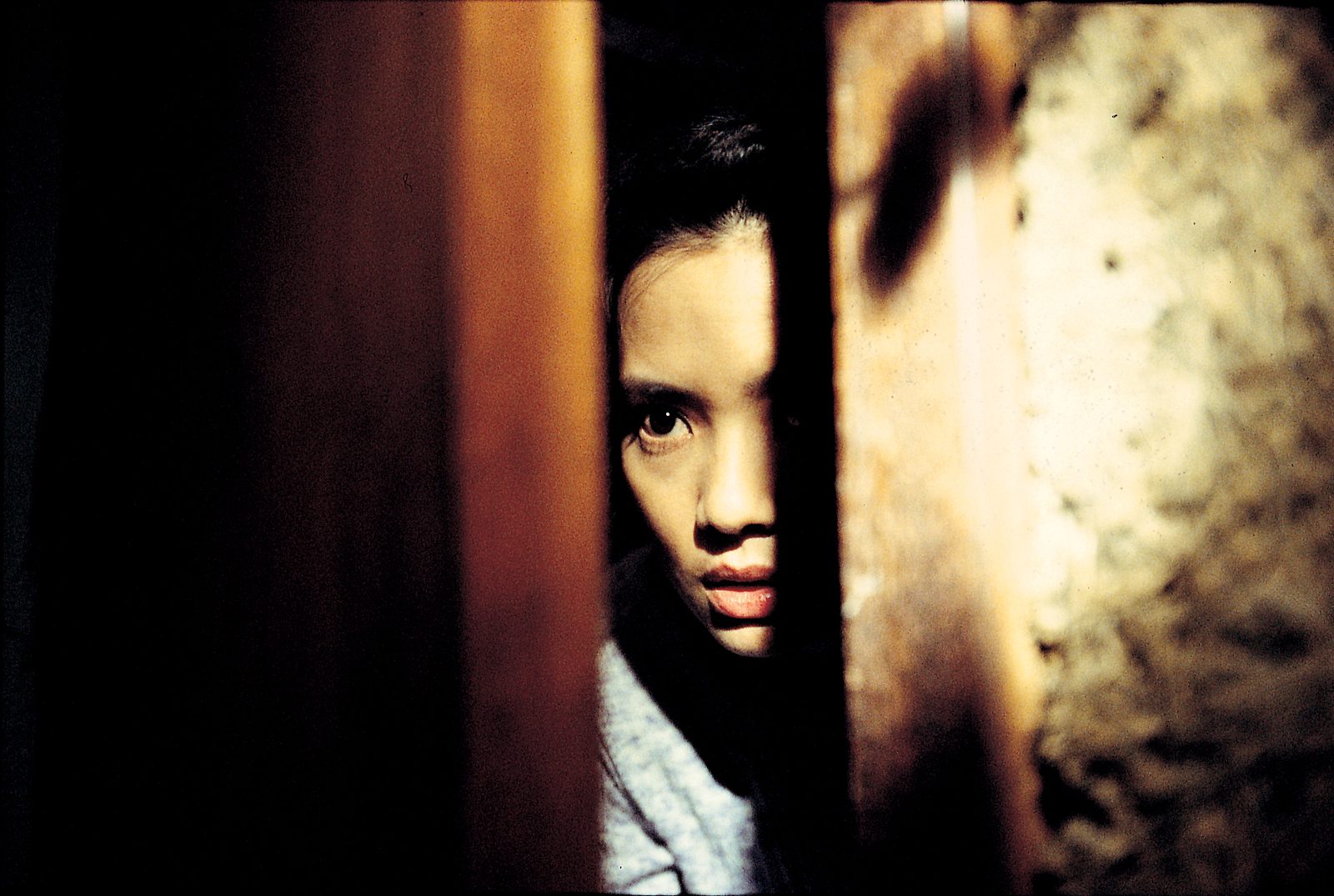
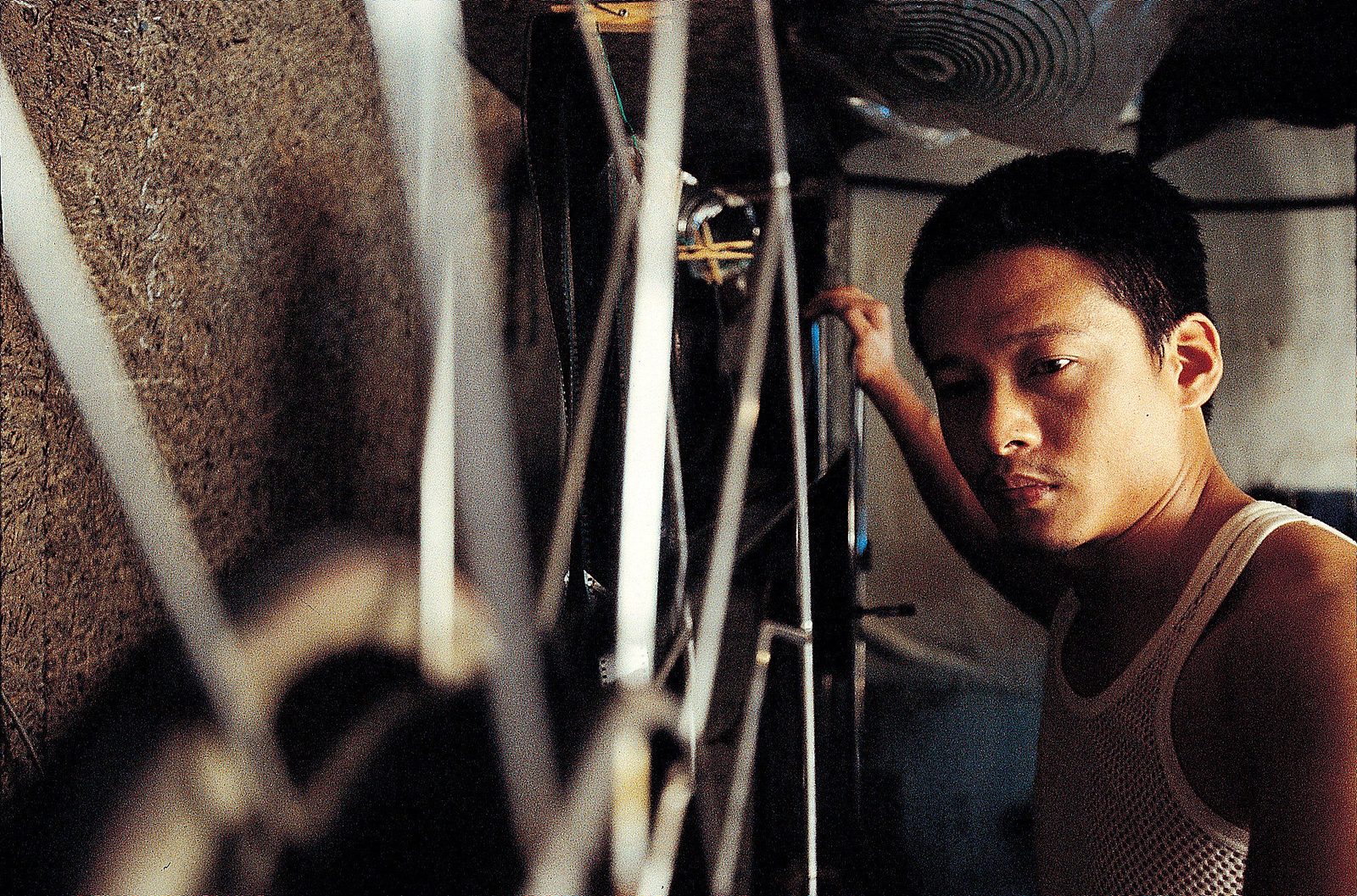
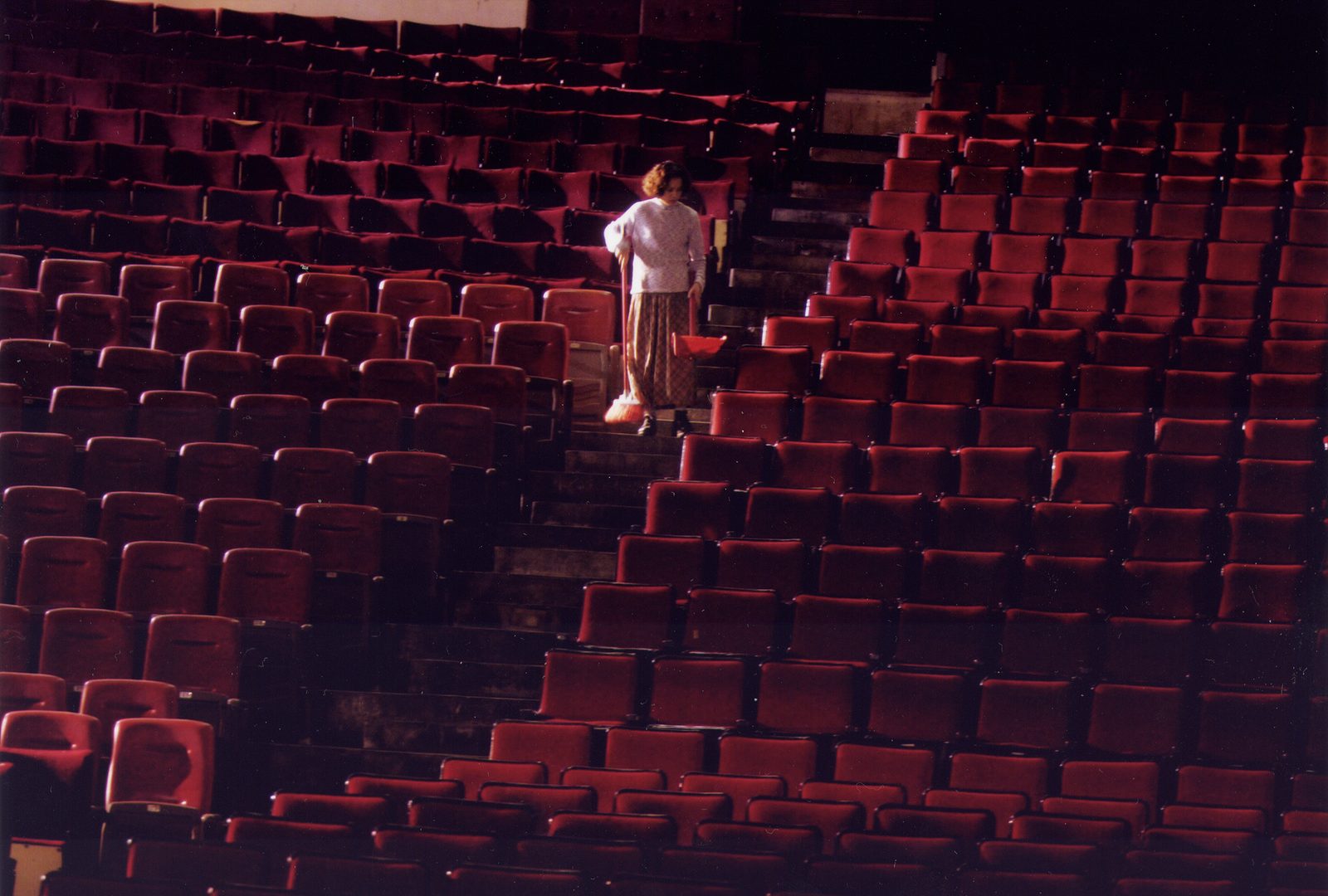
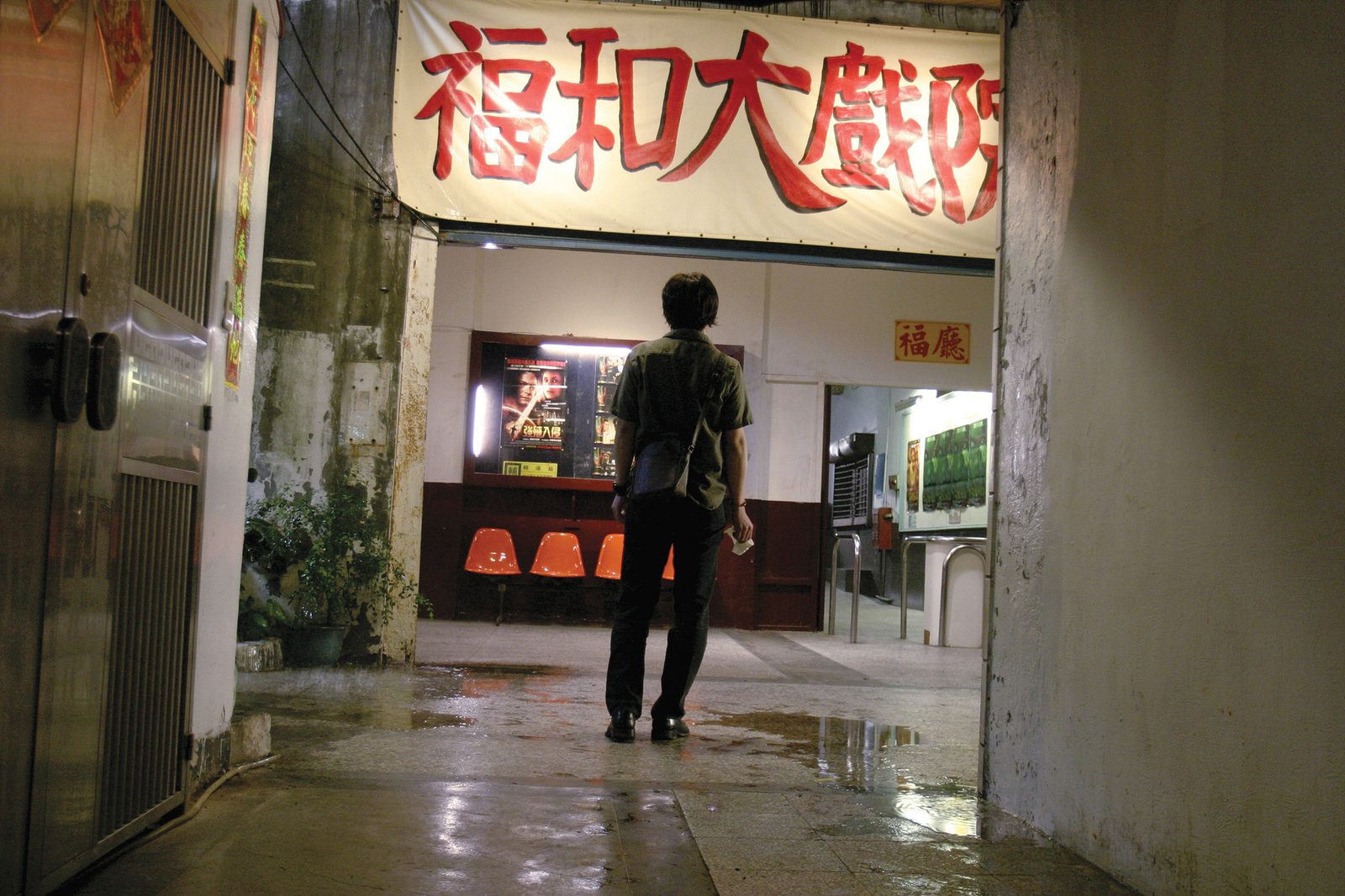
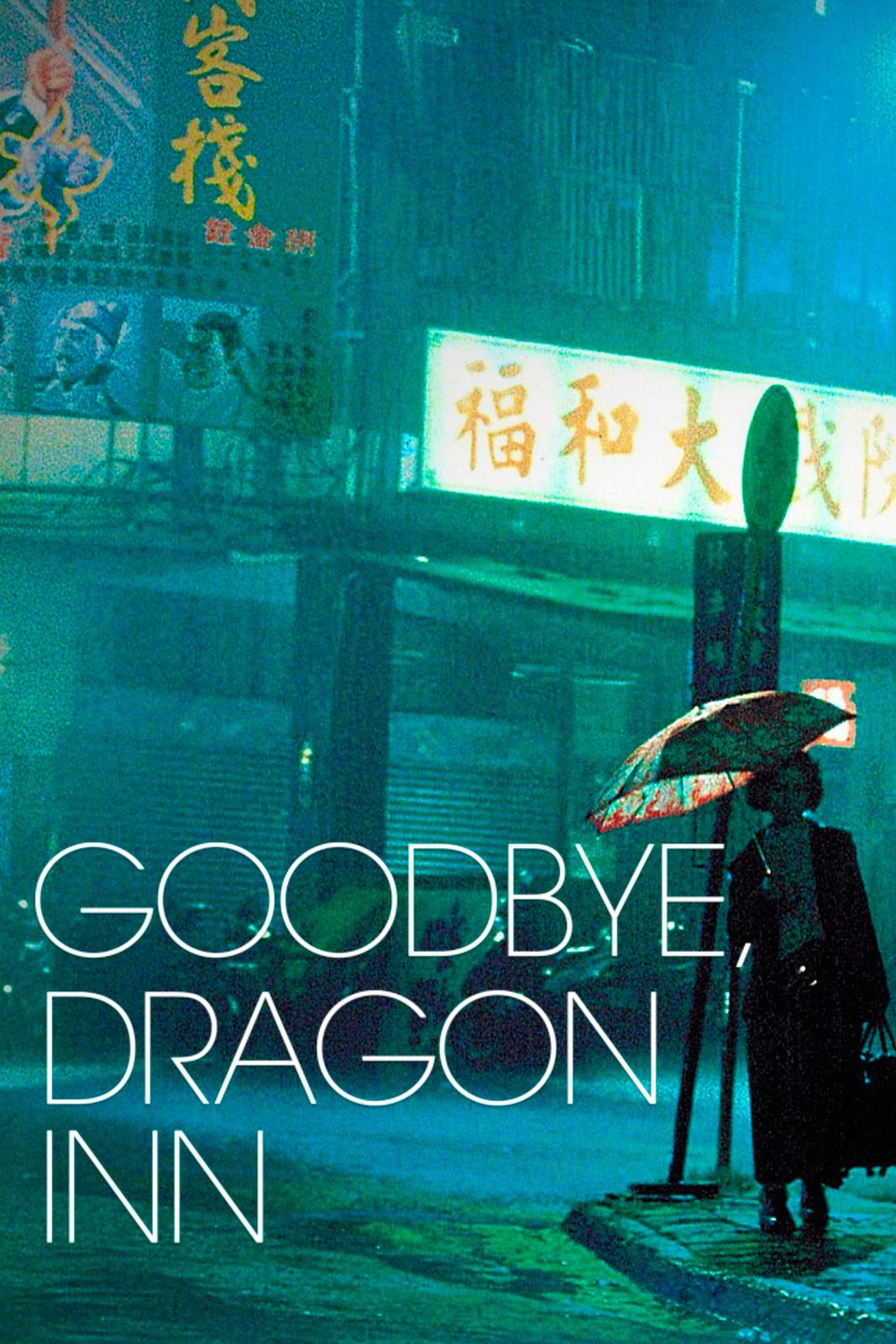
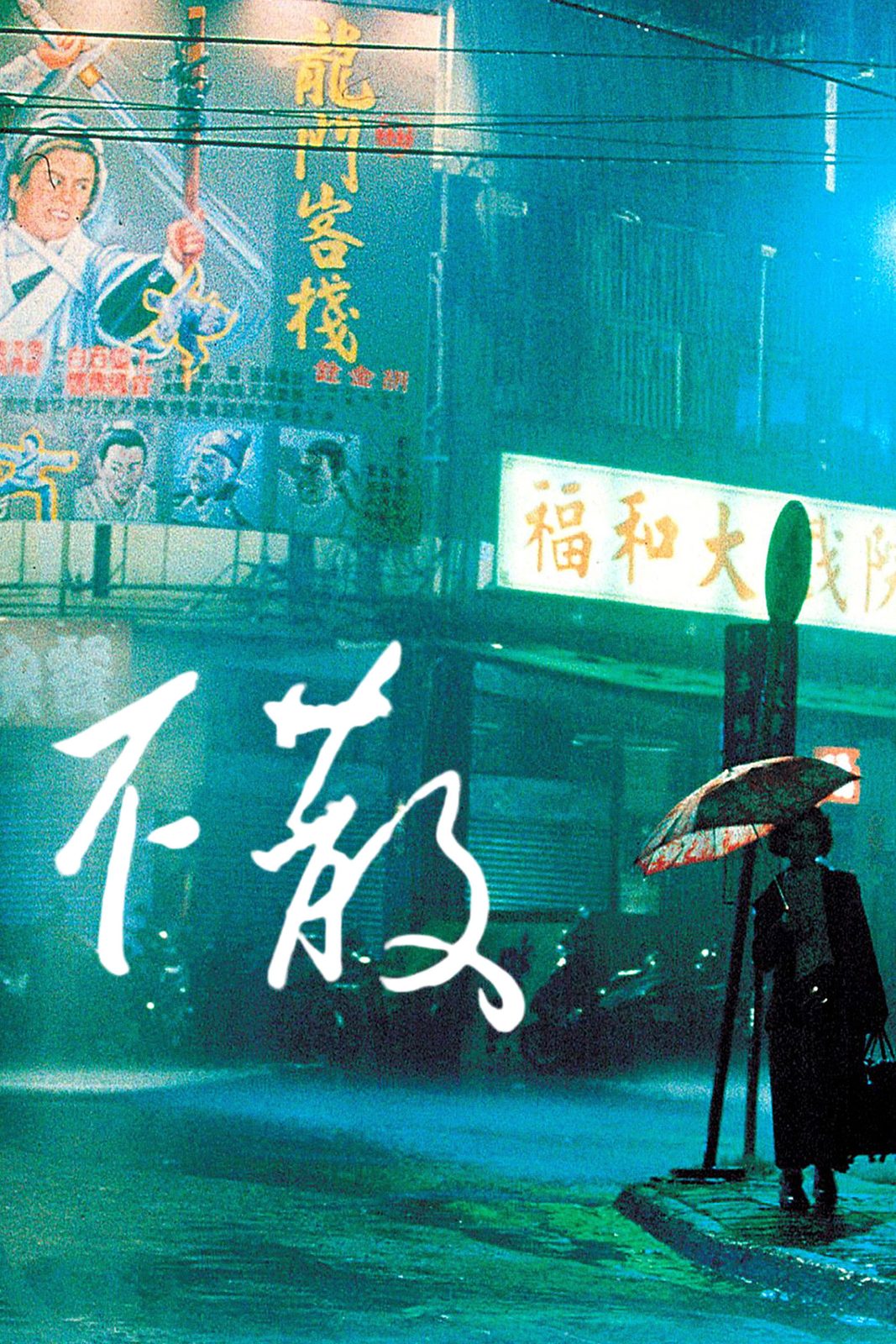
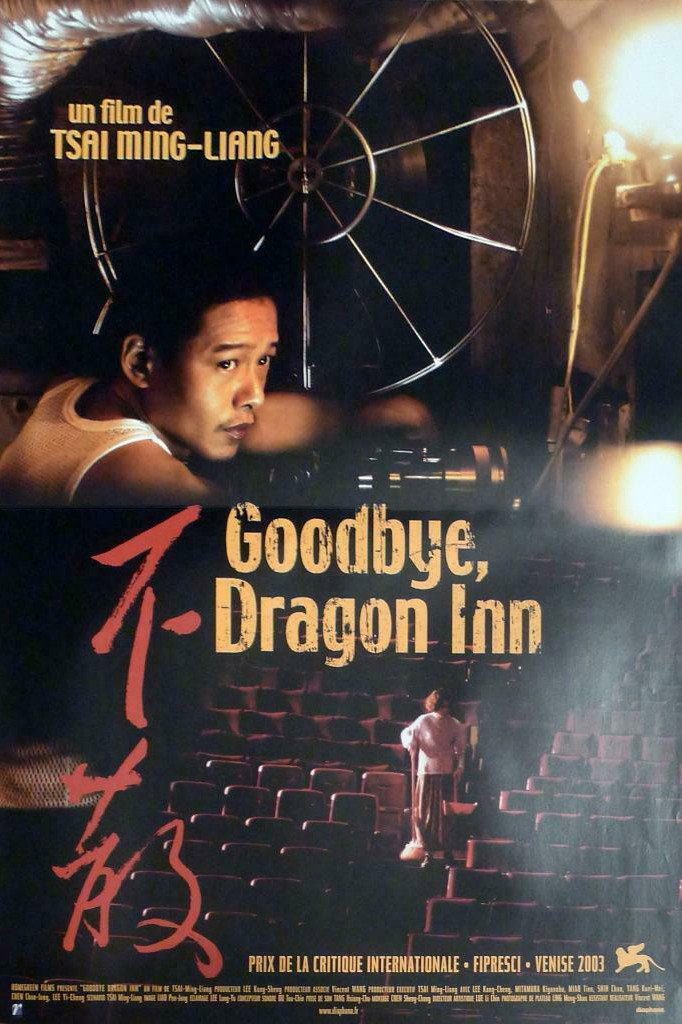
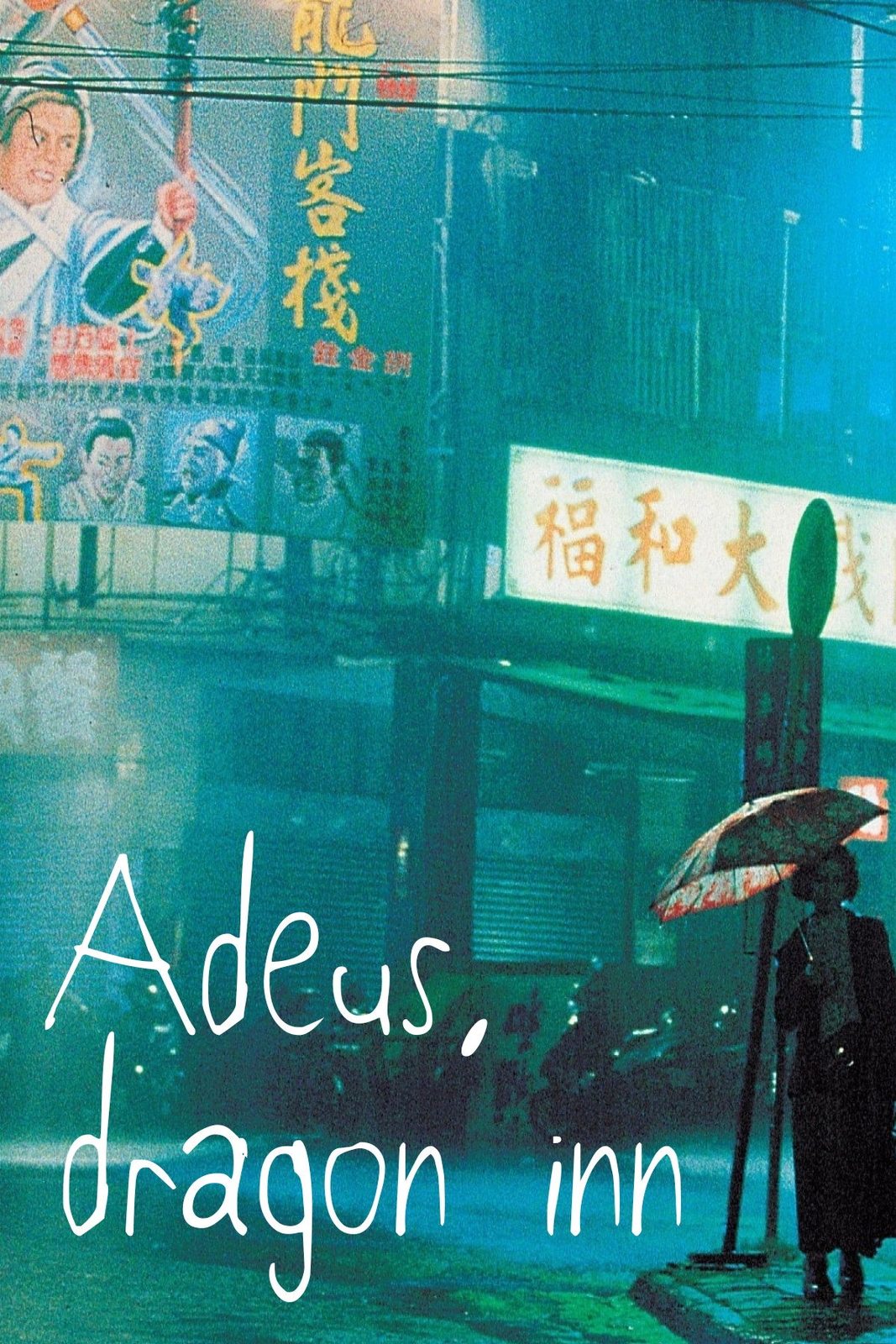
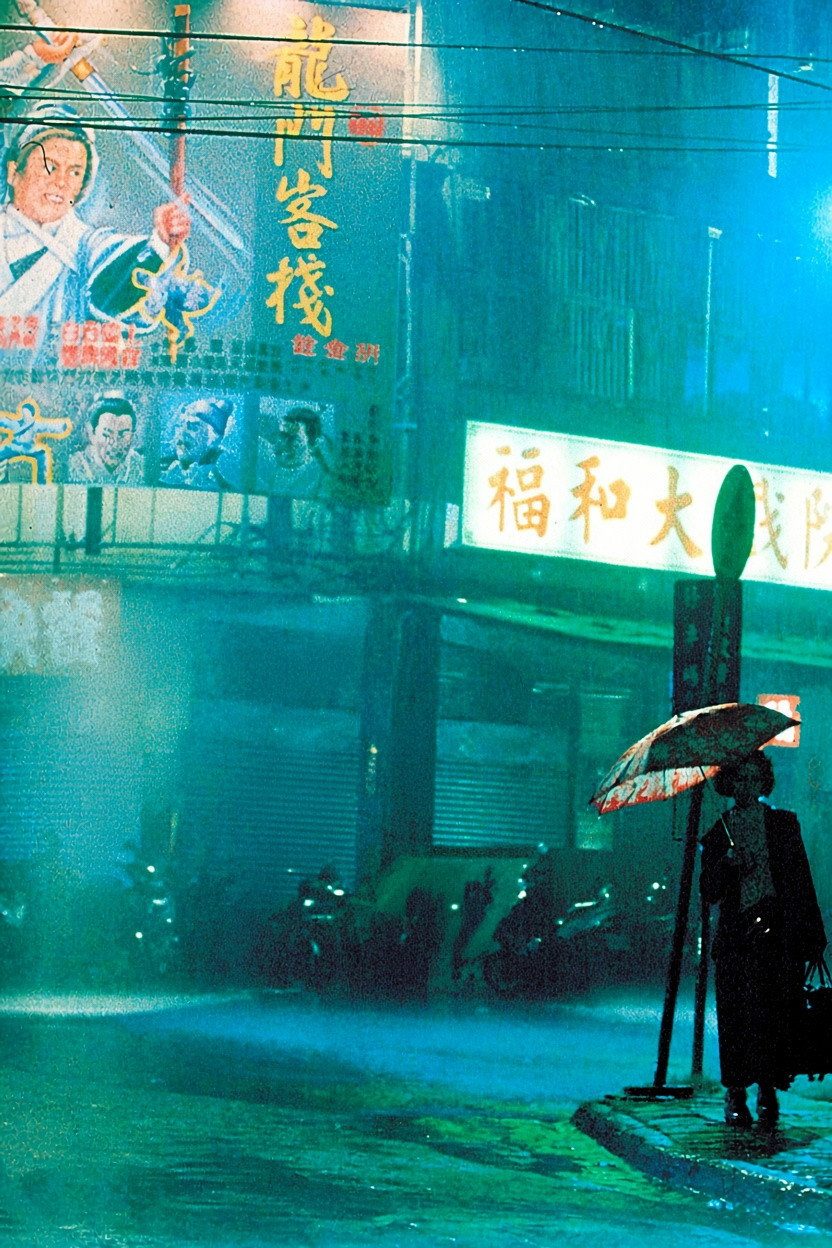
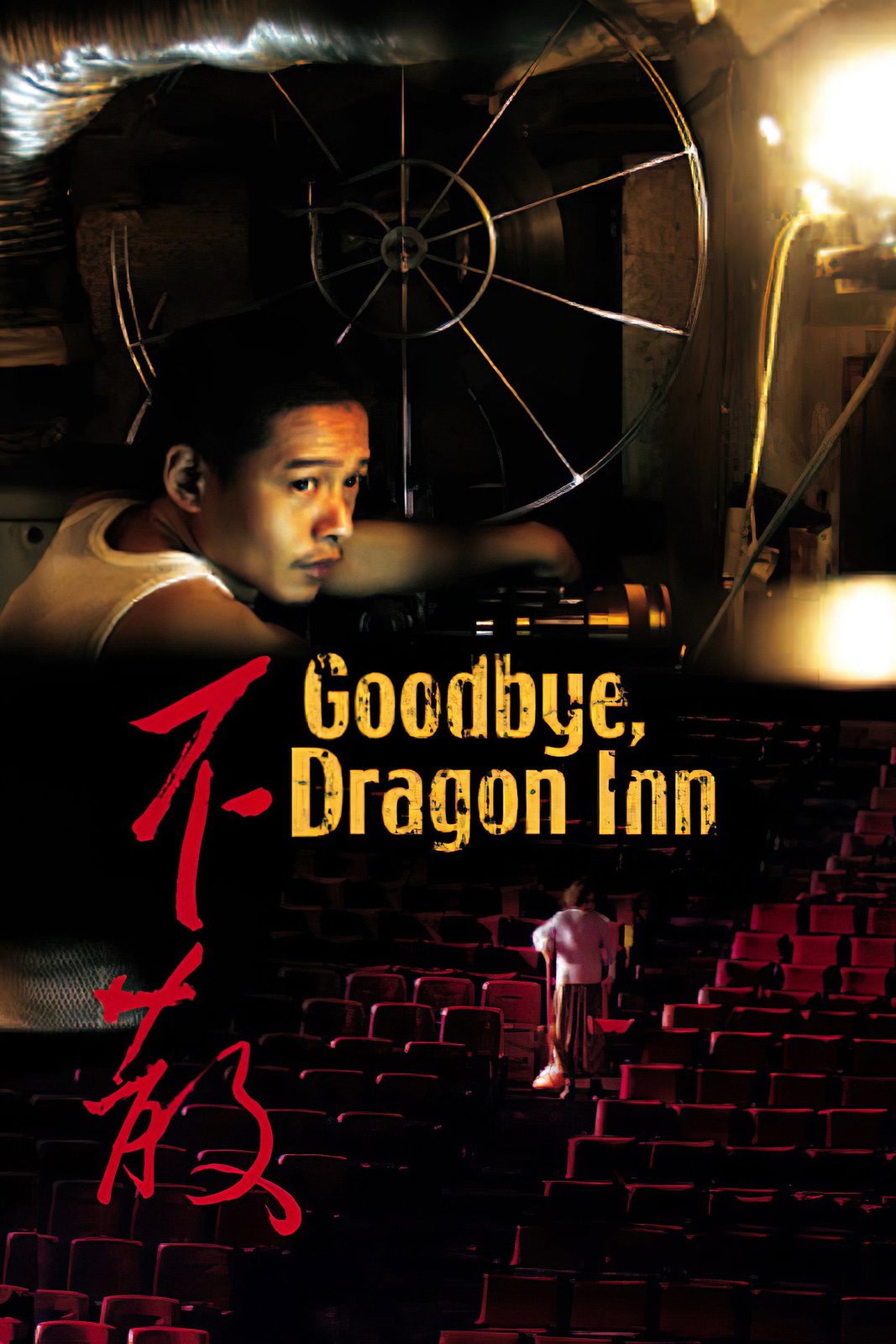
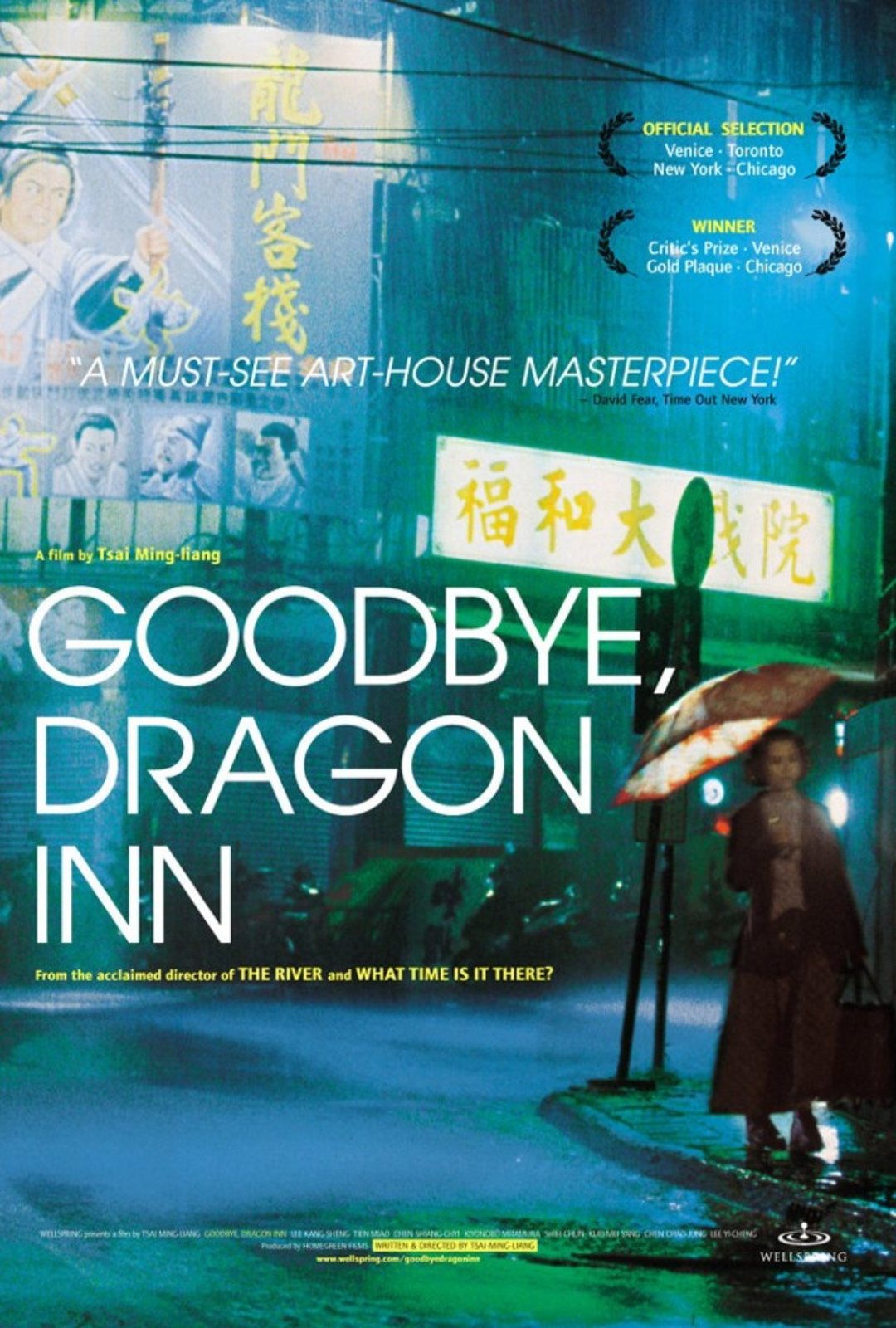
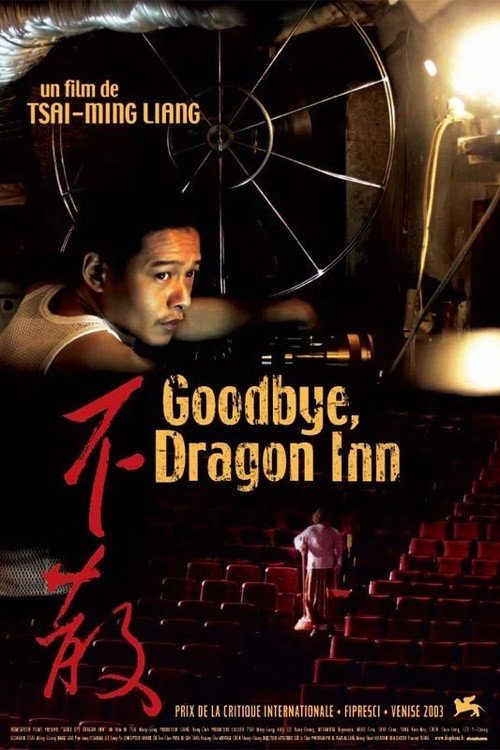
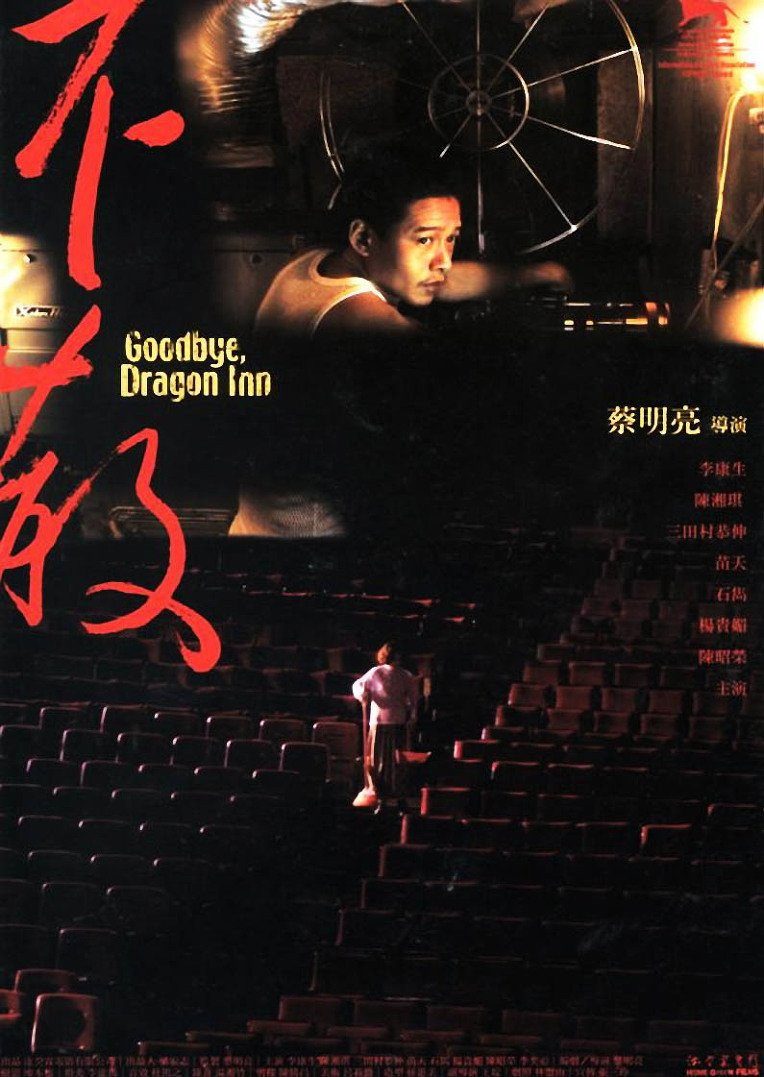
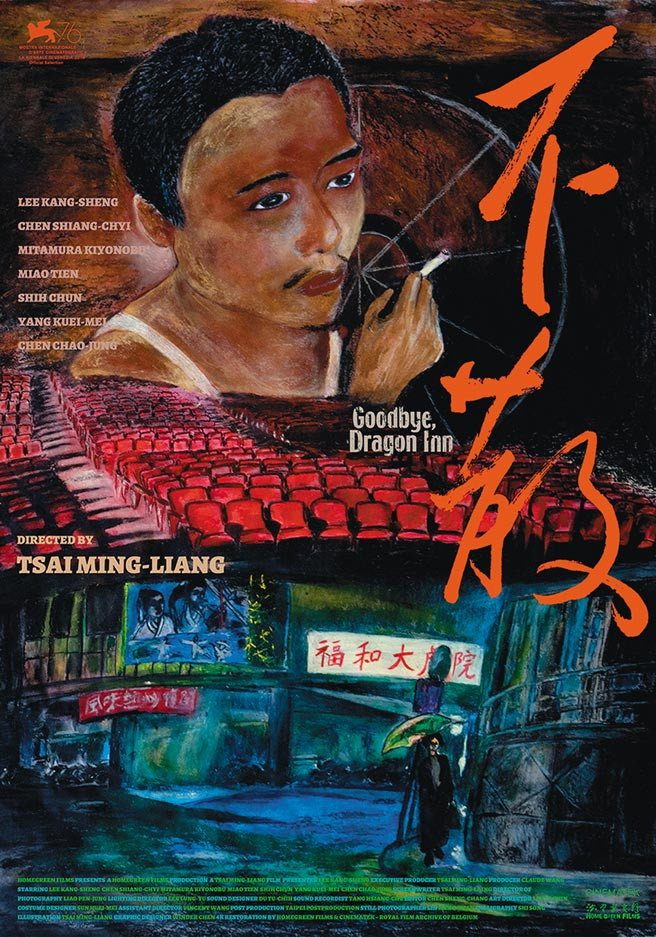
When a screening of the film Dragon Inn ends and the lights come on, the camera gazes at the empty seats from the screen’s perspective. It was the final screening at an old theater that is soon to be shut down, and for a long time it has been this way. The ticket attendant with a limp cleans the seats, laboriously walking up and down the steps. She works almost as though she is performing a ritual cleaning, shrouding the cinema’s ‘corpse’ to bid farewell to the deceased. This scene captures everything about Goodbye, Dragon Inn, at least for me. The film tenderly handles the theater’s quiet ‘heartbeats’—the woman’s footsteps, the pitter-pattering of rain, the projector’s hum, and even creaks from the building—along with a teardrop suspended from someone’s eye and feelings quietly swallowed in silence. In this way, it remembers the old theater and its ghosts, who created their own stories in their own corners. These ghosts who wander the old theater, unable to leave even at the end, linger still-like the ghosts who gather in Busan every autumn.
Tsai Ming-liang is a Malaysian-born Taiwanese filmmaker and artist. His major films include Goodbye, Dragon Inn (2003), The Wayward Cloud (2005), and Days (2020). Since 2012, he has worked on the Walker series through various forms, including feature and short films, installations, and performances. The series explores time and bodily movement across different cities and spaces, and has been showcased at international film festivals and art museums. Set in San Sebastian, Spain, Dust is the eleventh installment in the Walker series and was selected for the non-competition section of the Venice Film Festival.
From Busan International Film Festival 2025, No. 30