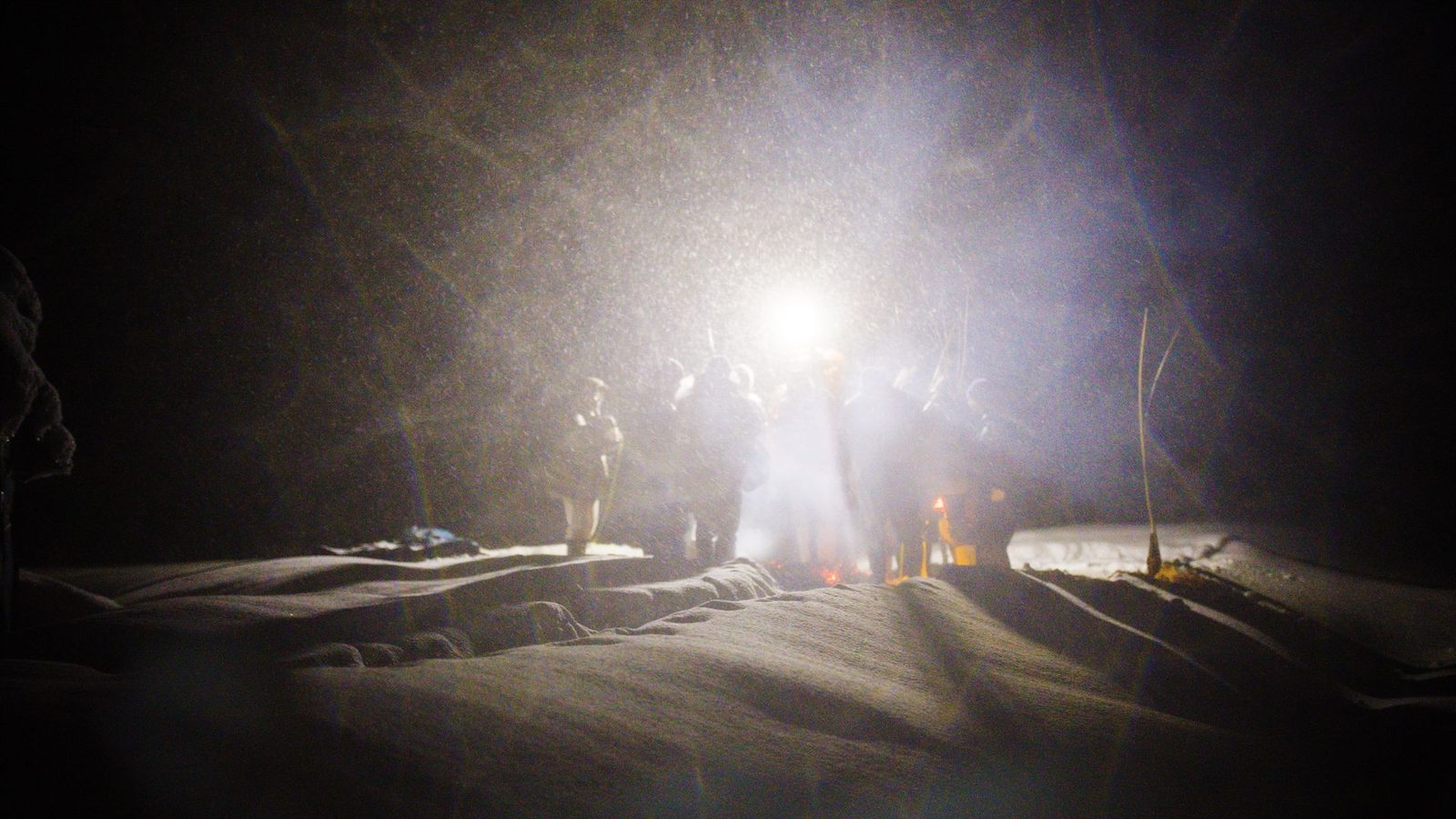
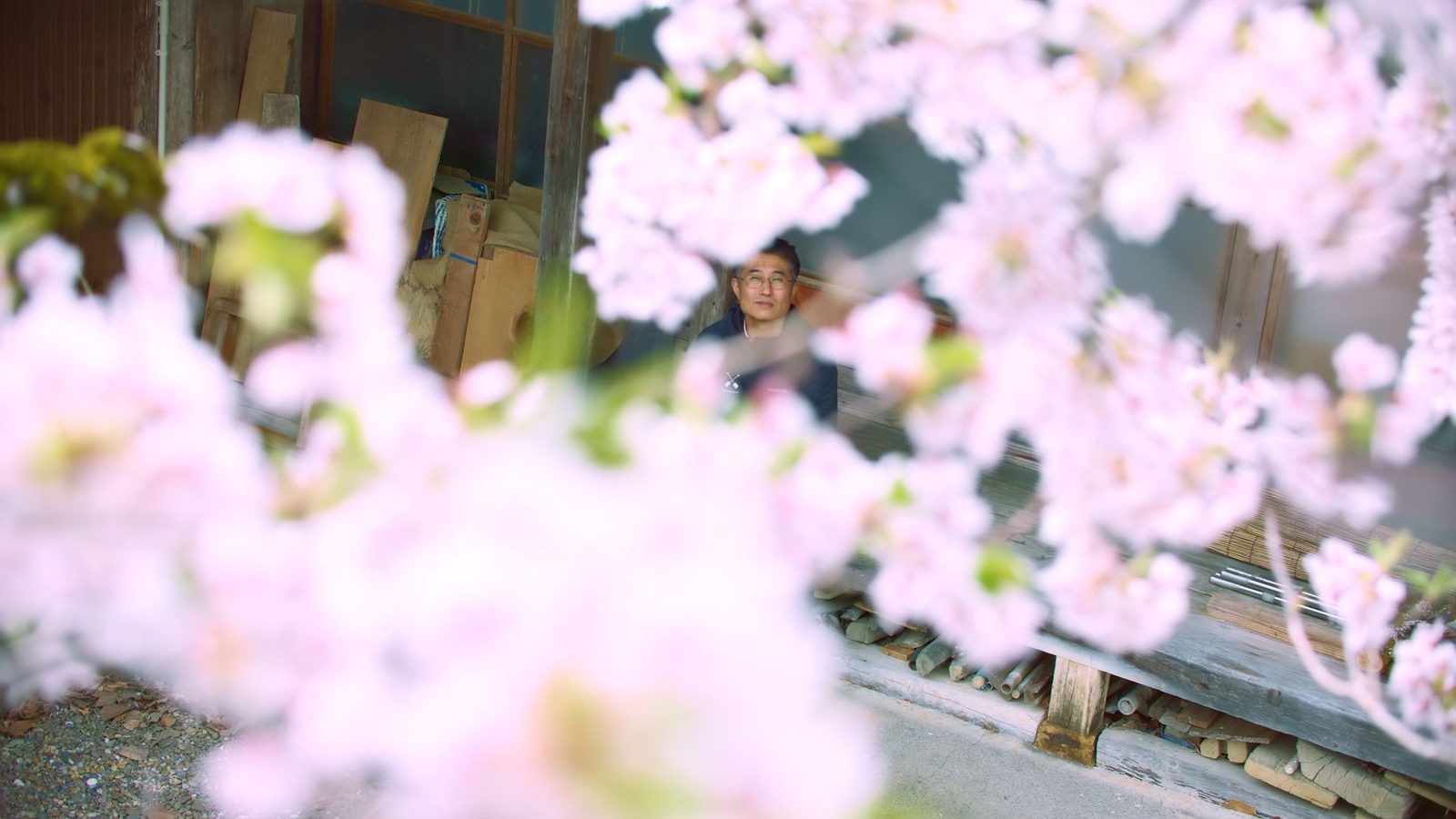
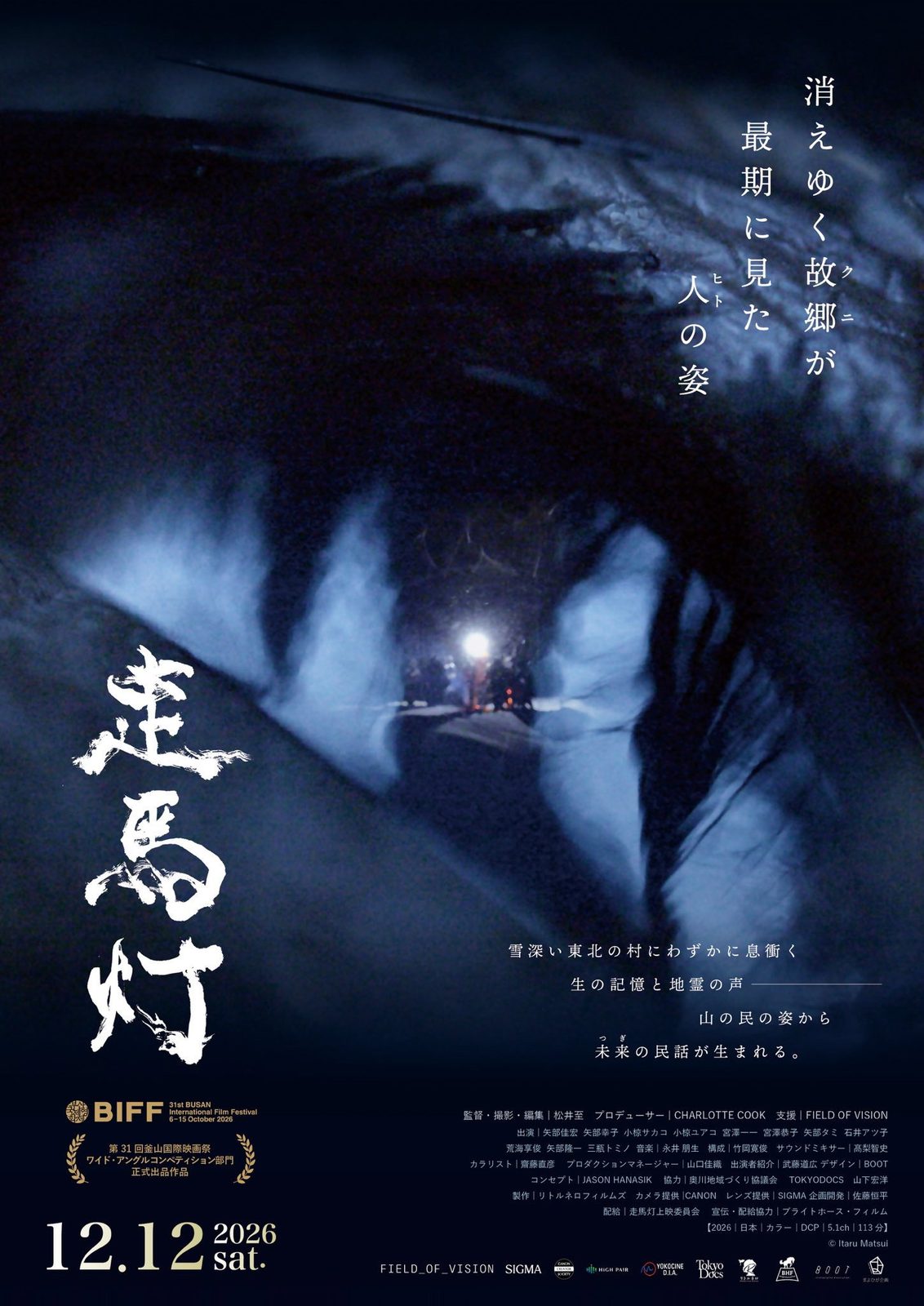
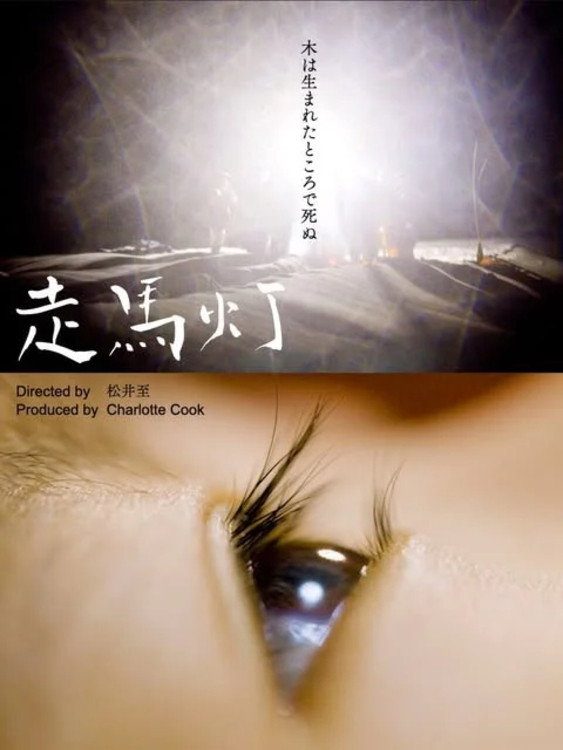
A car makes its way through the pitch black on a snowy night, into a village deep in the mountains. Okugawa, nestled in the mountains of Fukushima, is the man’s hometown. The village is slowly disappearing, its population dwindled down to just 500 elderly residents, yet the man begins building a new house. Revolving Lanterns captures several seasons in a place where time seems to have come to a complete stop. “Our happiness lies in living slowly.” The village’s inhabitants, who were born there and who will most likely die there, fill their days with slow but steady routines. Matsui Itaru does not romanticize the quiet beauty of this simple way of life as some ideal pastoral existence. Instead, he devotes himself to rendering the landscapes of these uneventful lives with a delicate and distinctly cinematic sensibility. In fact, this film is not even about the story of the man building a house, either. Rather, this film is made beautiful simply by the way the rhythms of every life, filled only with work and meals, come alive amid the changes wrought by the seasons, the weather, and the daily rising and setting of the sun.
A Japanese documentary director, cinematographer, and editor. His feature debut, Only I Can Hear (2021), documents the lives of CODAs (children of deaf adults) and was screened at Hot Docs, winning Best Sound at the DocEdge Film Festival and a Special Jury Prize at the Breaking Down Barriers International Disability Film Festival. In 2025, he published the book Next Folktales. Revolving Lanterns is his second feature documentary.
From Busan International Film Festival 2026, No. 31