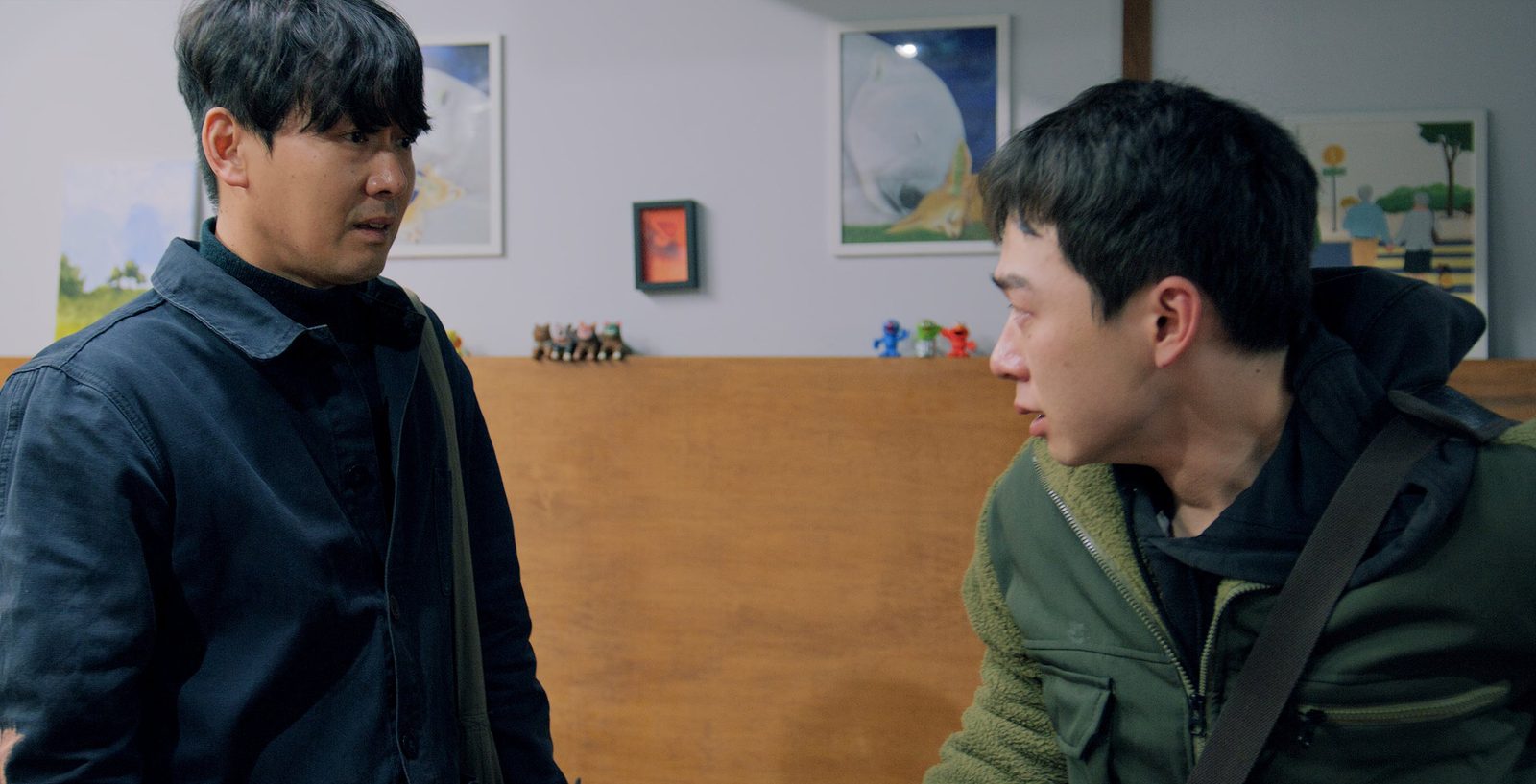
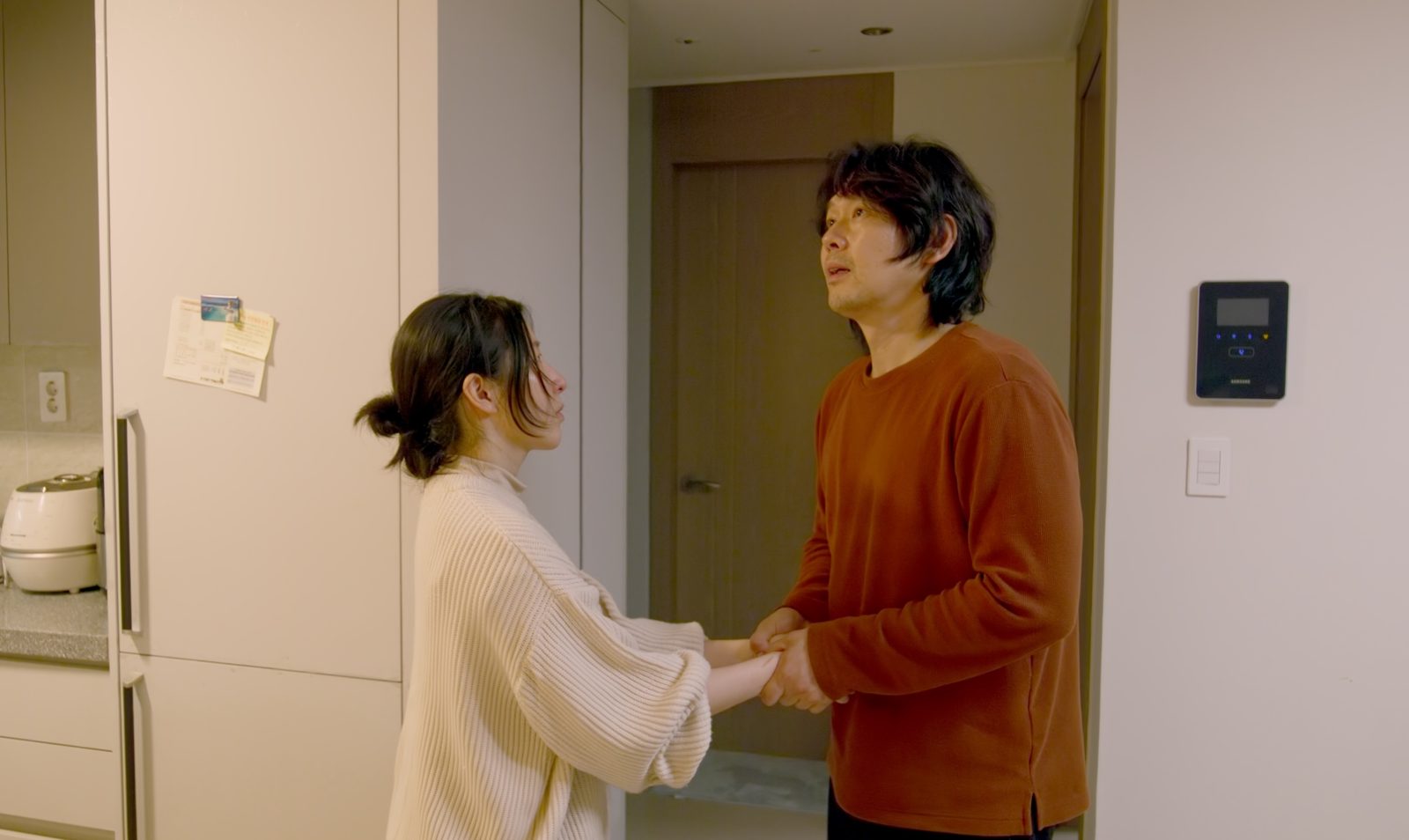
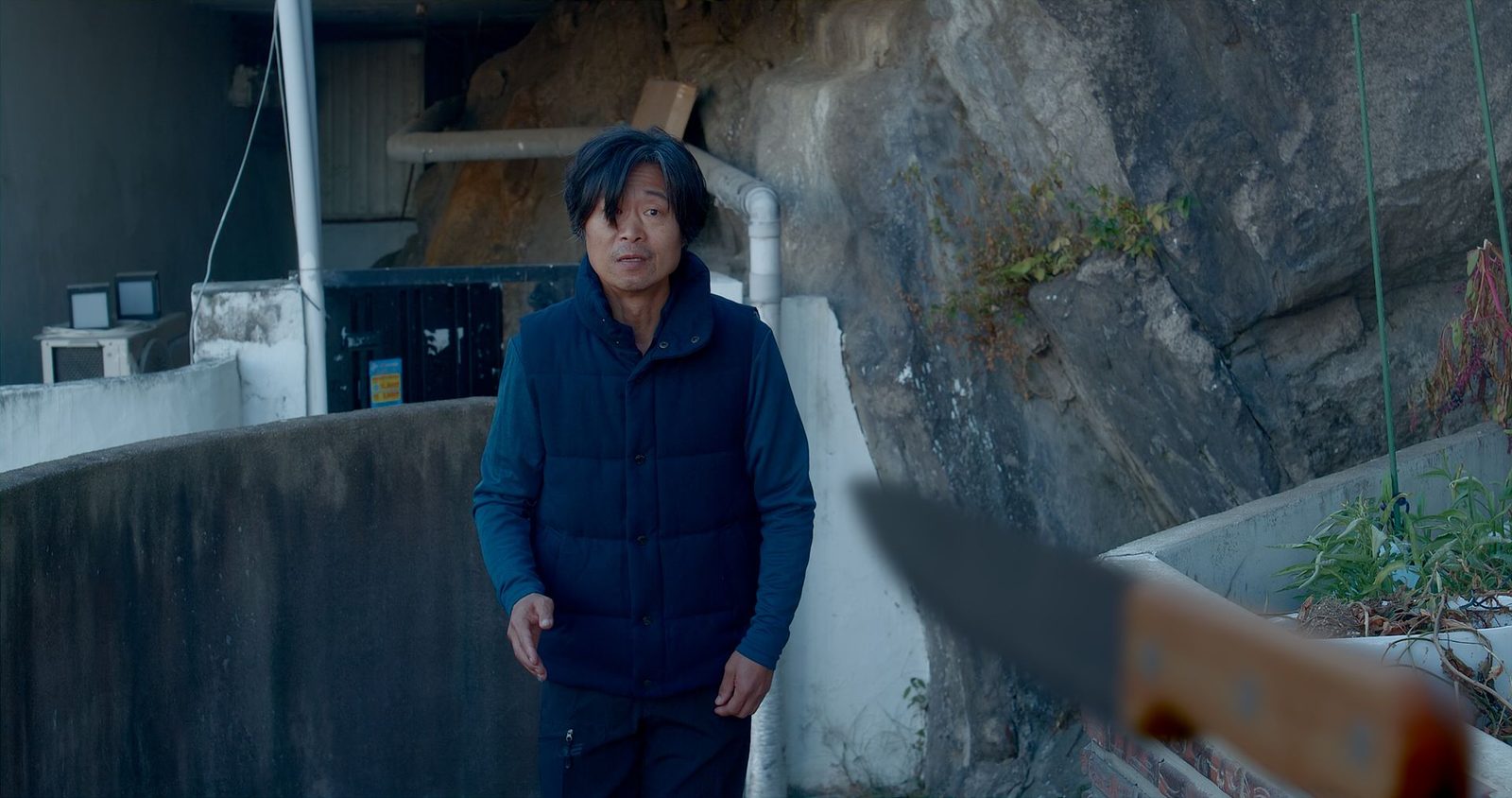
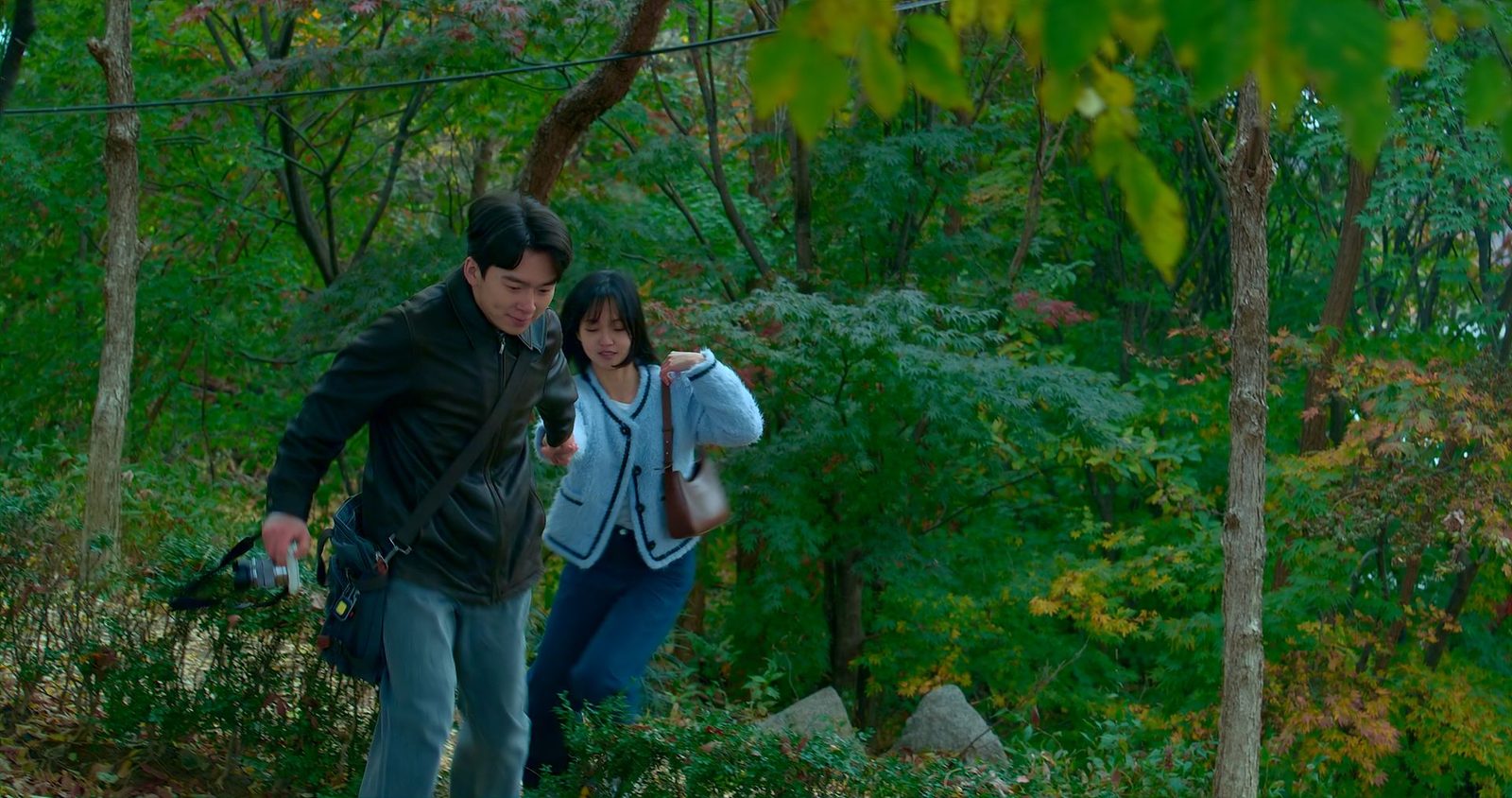
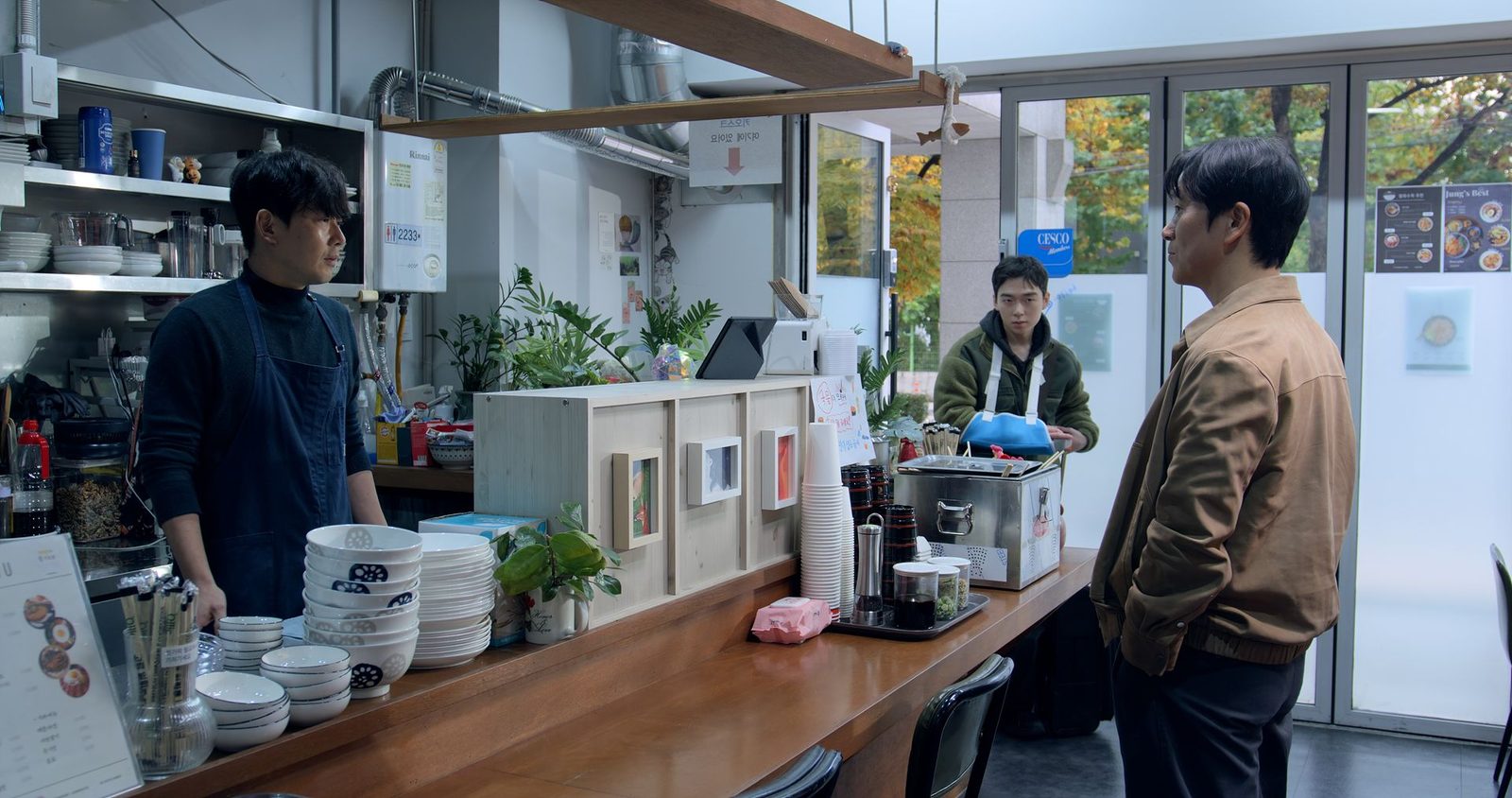
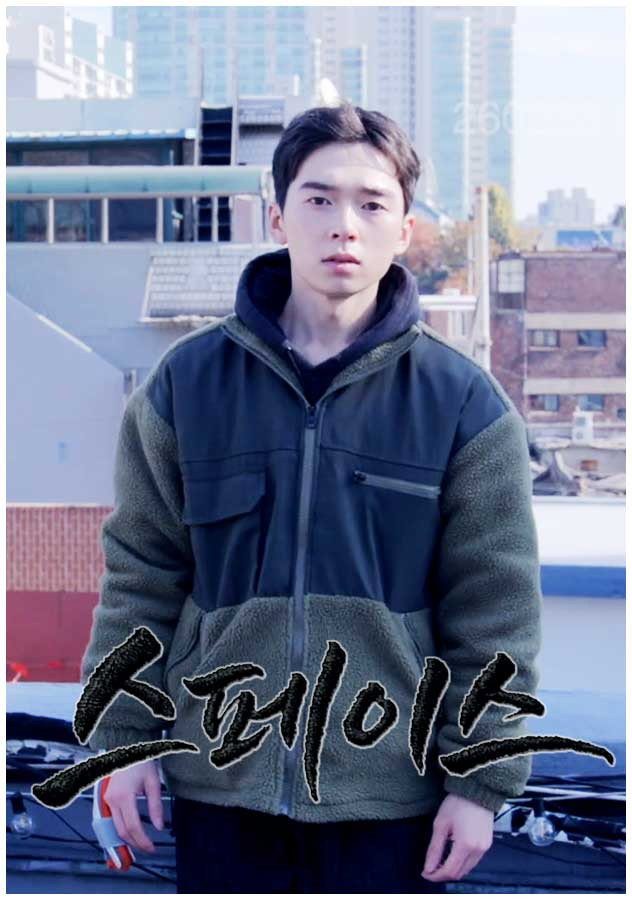
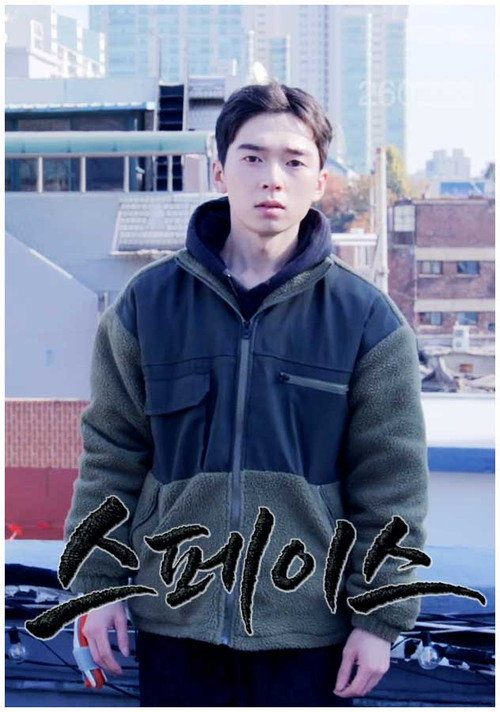
One: Soyeon (Han Hye-ji) and Jeongho (Park Jong-hwan) are a loving couple, though money is tight. But when Jeongho suggests having a child, Soyeon’s body begins to break down. Two: Incheol (Park No-sik), a father whose business has failed, and his financially strapped son Jinwoo (Kim Joo-young) face off in a tense confrontation until Jinwoo storms out of the house. Three: Jeongho struggles to keep his restaurant running, while Jinwoo, with nowhere proper to stay, drifts from place to place, trying to earn money, borrow it, or collect what he is owed. Space consists of three self-contained episodes that are nevertheless loosely and organically connected, with the same characters appearing across episodes and leaving their mark on each, creating a sense of resonance between them. Here, ’space’ is at once the concrete place where the characters live, a metaphor for their relationships, a site of tension and confrontation, and the final refuge where one ultimately finds rest alone. In this place that is also a world - this place-as-world - unreal and surreal events unfold as if they were perfectly ordinary, and inscrutable characters emerge out of nowhere. These sudden appearances will leave you reeling.
Park Hong-min made his debut with the 3D feature film A Fish (2011), winning the Citizen Critics′ Award at the Busan International Film Festival and a Special Mention at the Vancouver International Film Festival, and was invited to the Rotterdam International Film Festival. In 2014, he established the production company "Nongbu Film" and made Alone (2015), which won the Citizen Critics′ Award and the Actor of the Year Award at the Busan International Film Festival, as well as the Jury Prize at the Seoul Independent Film Festival. It was also invited to the Bright Future section of the Rotterdam International Film Festival. He returned to the Busan International Film Festival with his third feature film, Beyond You (2020), and Space is his fourth feature film.
From Busan International Film Festival 2026, No. 31