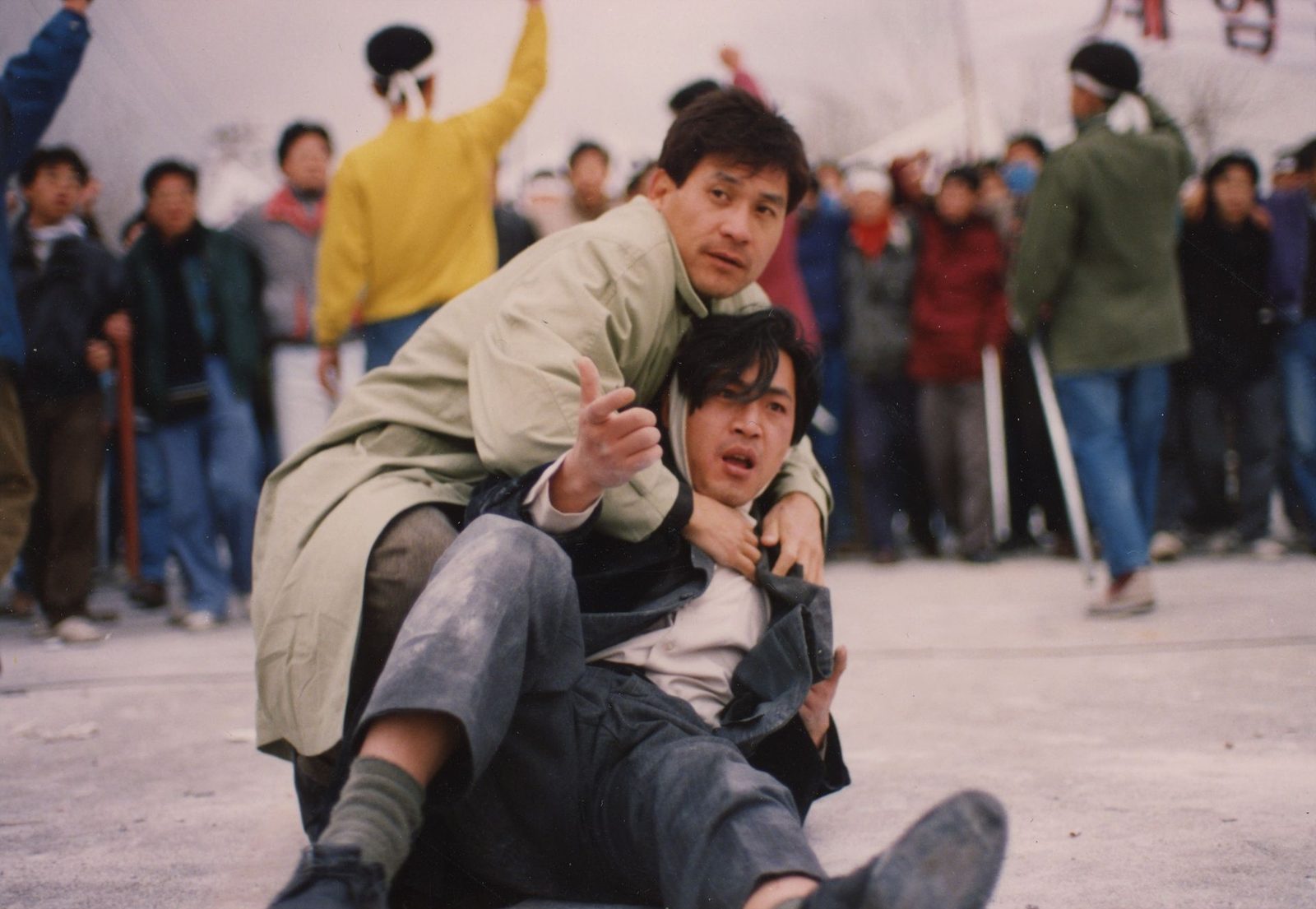
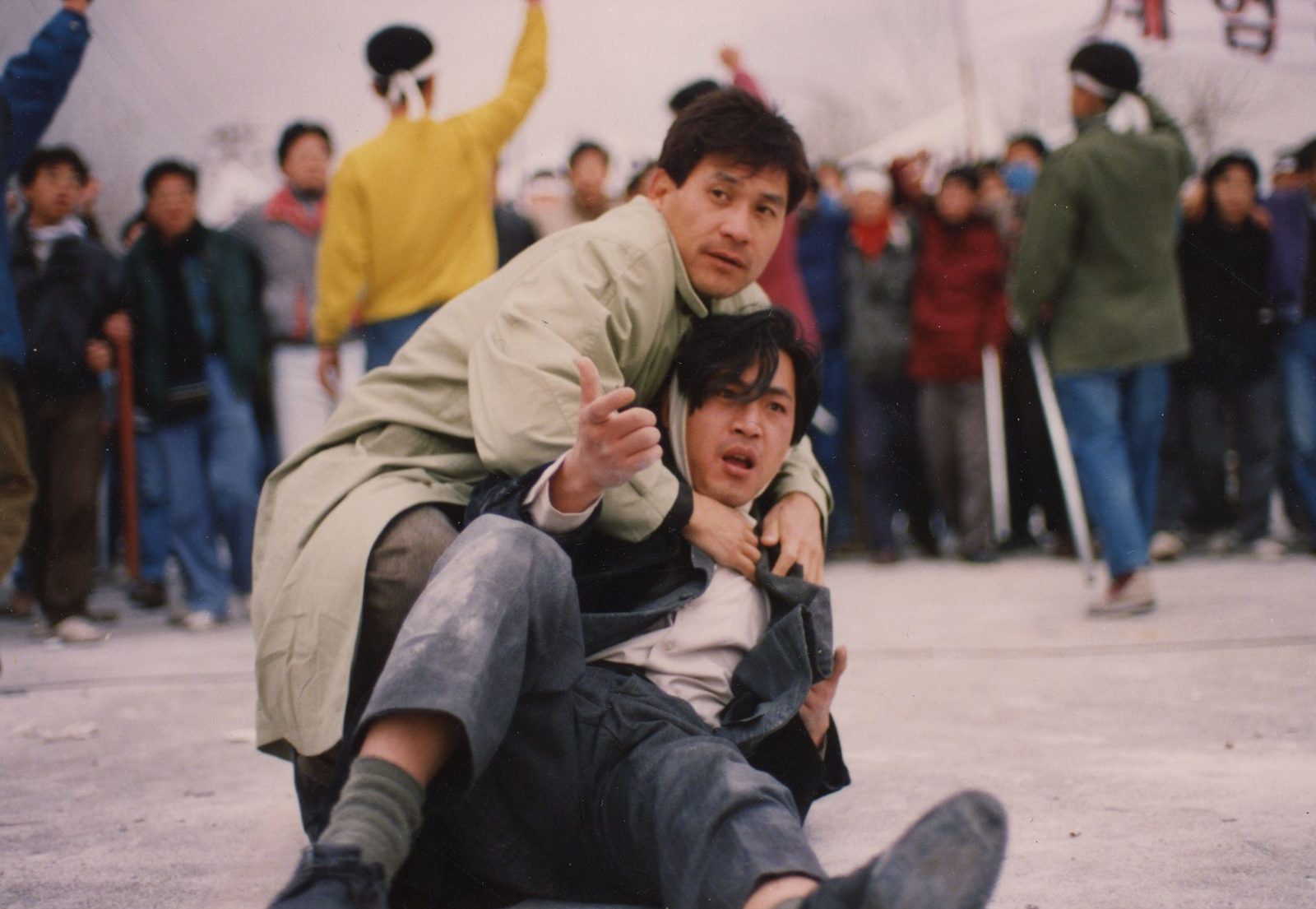
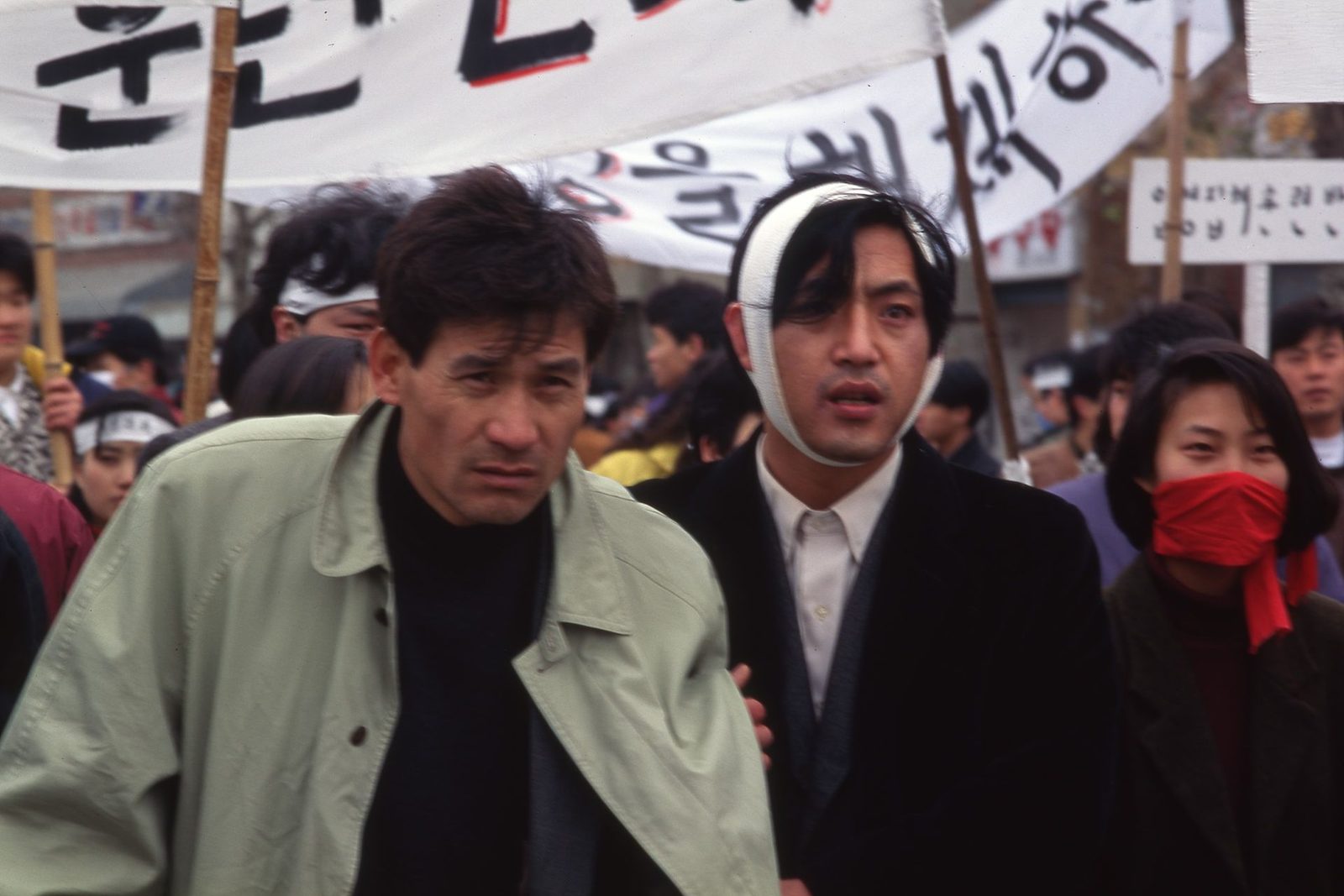
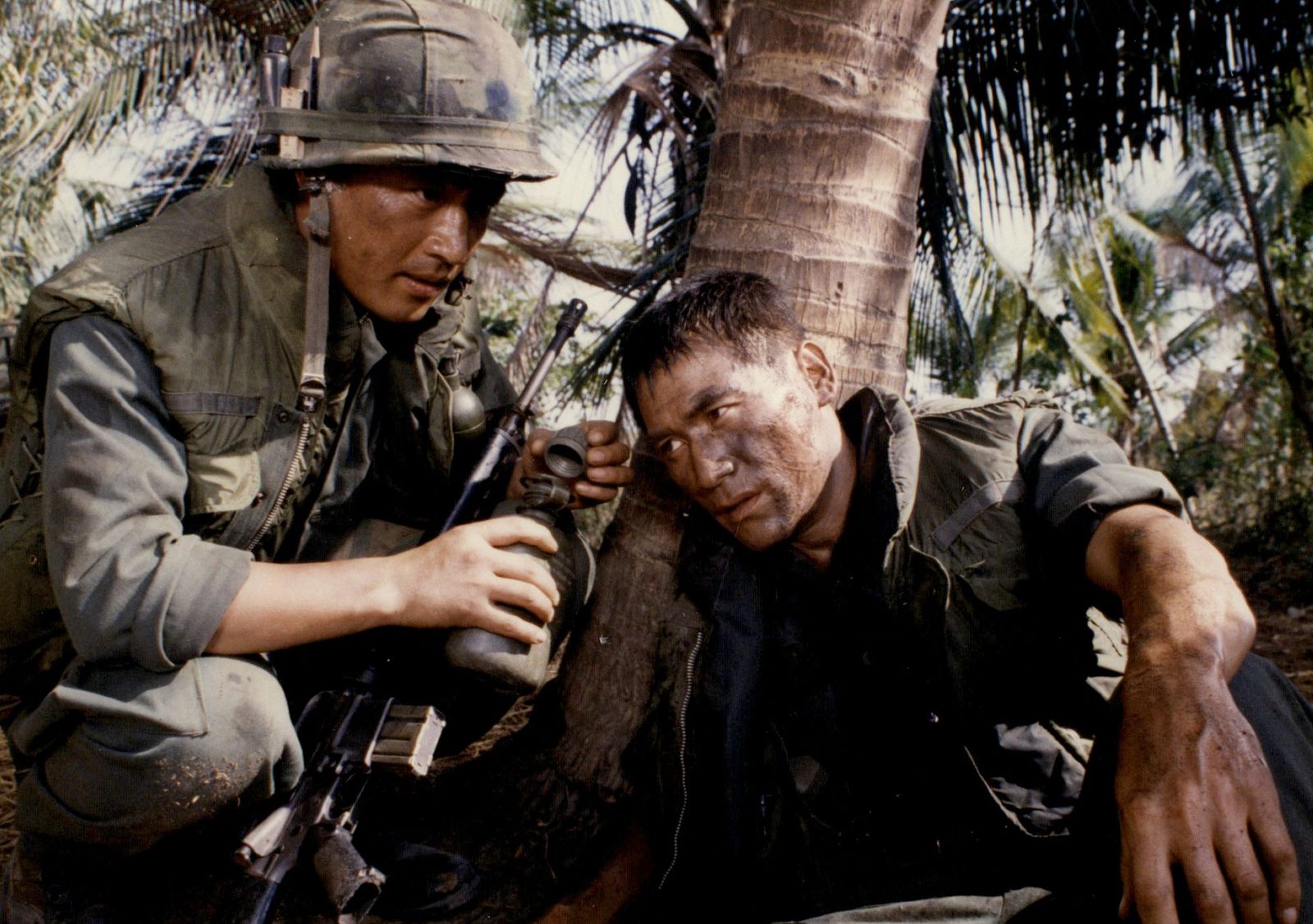
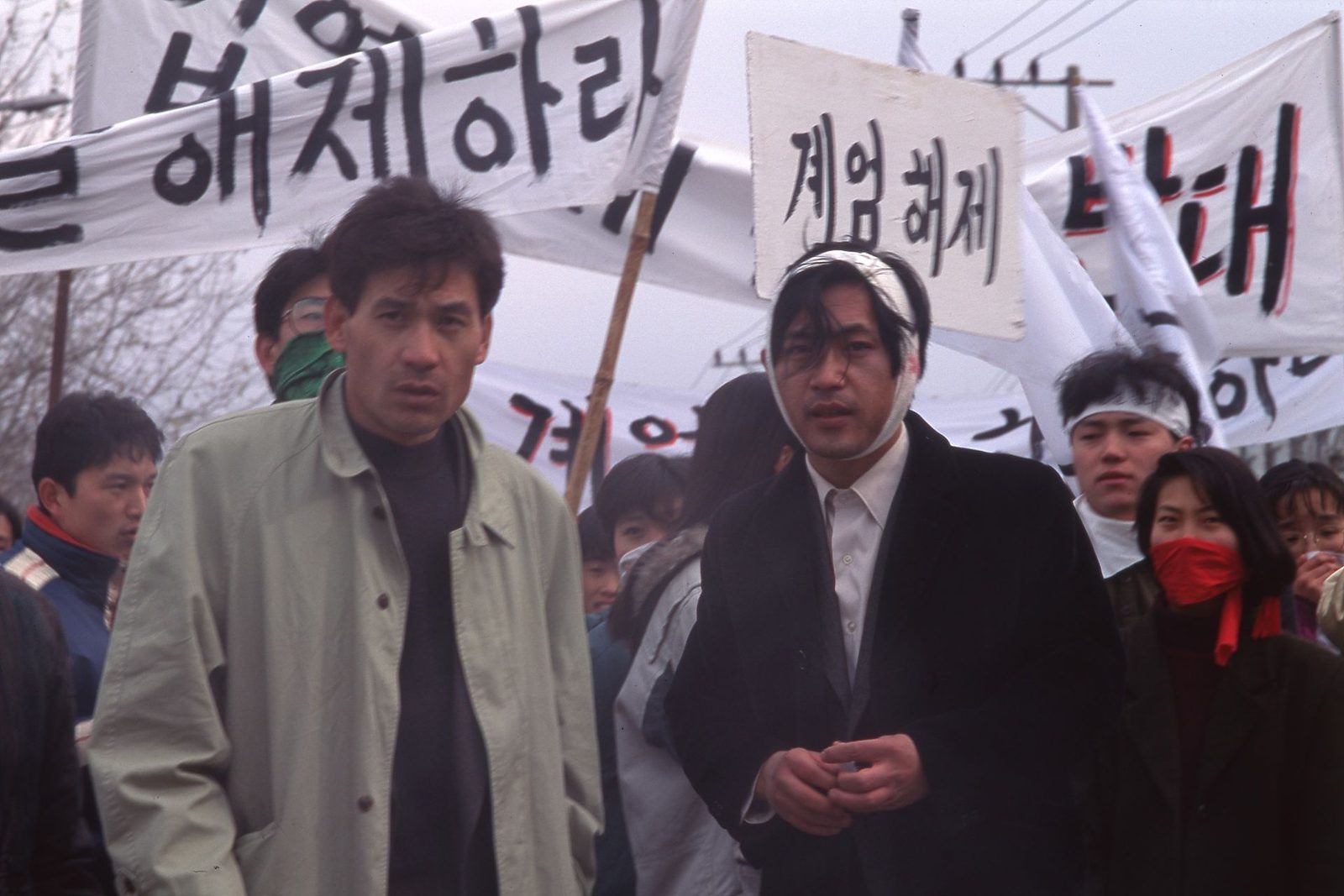
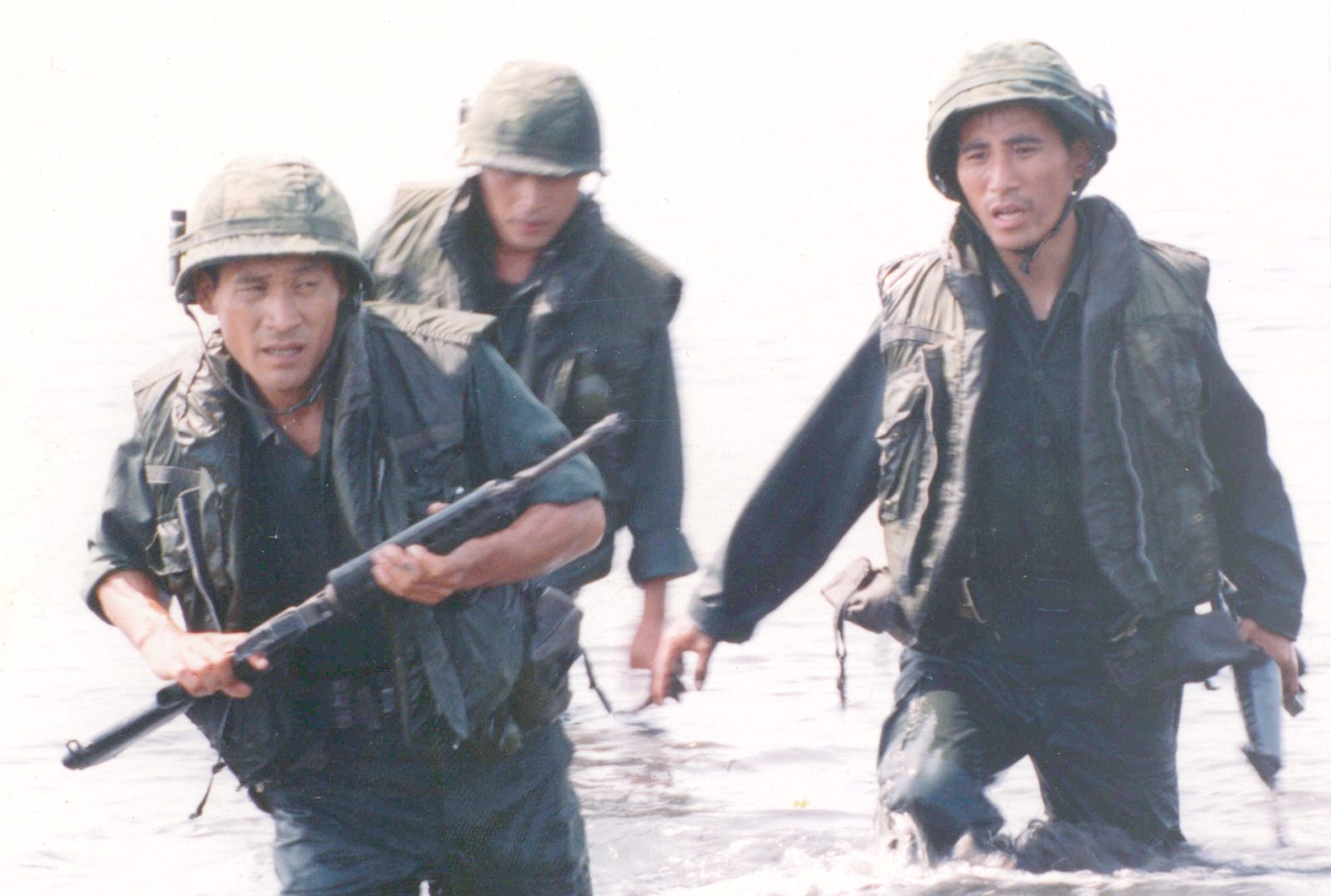
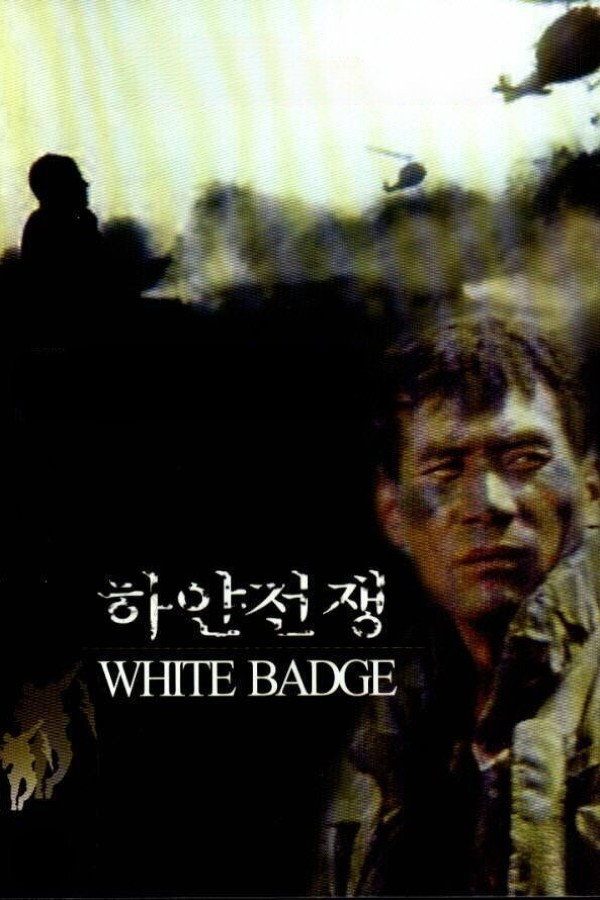
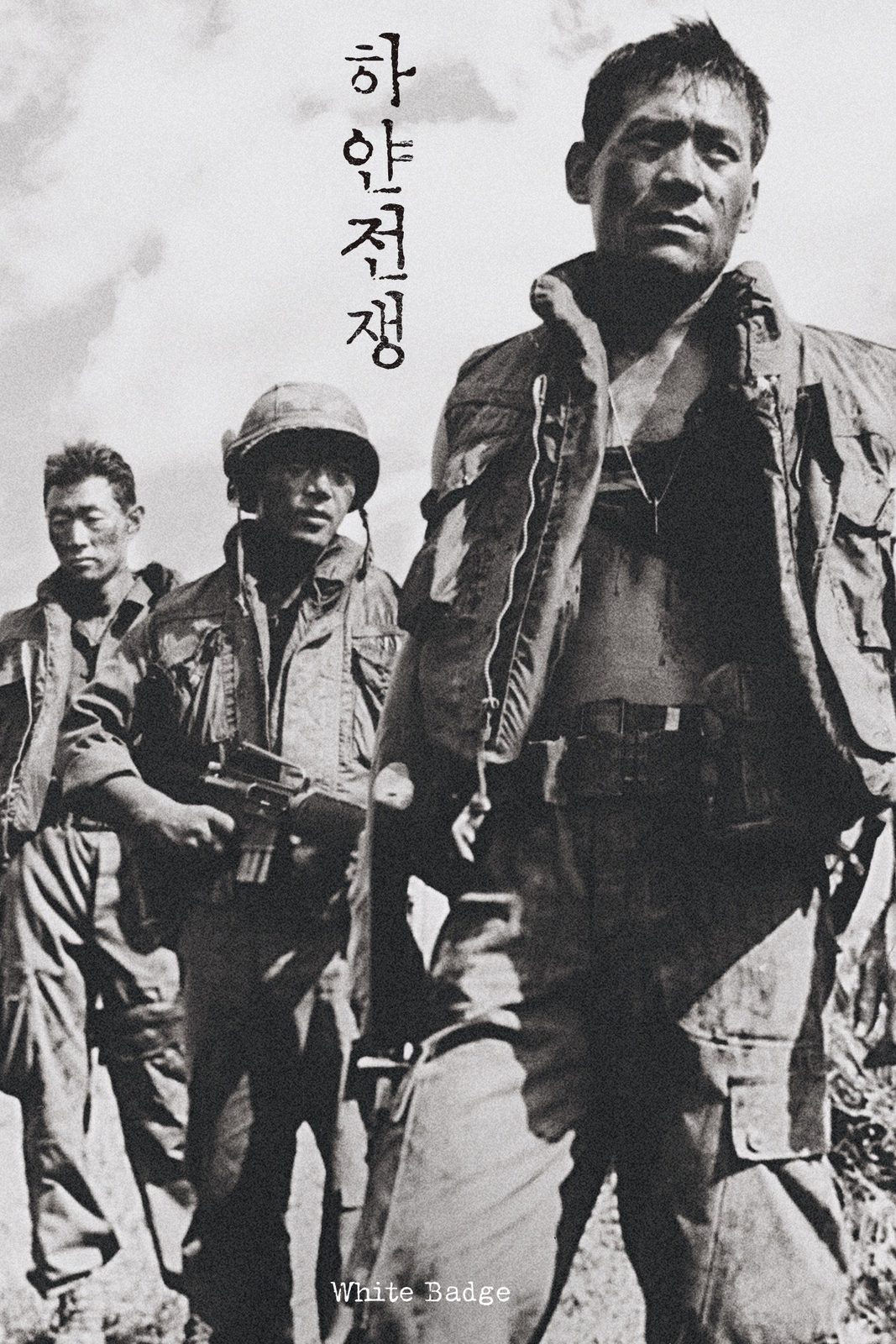
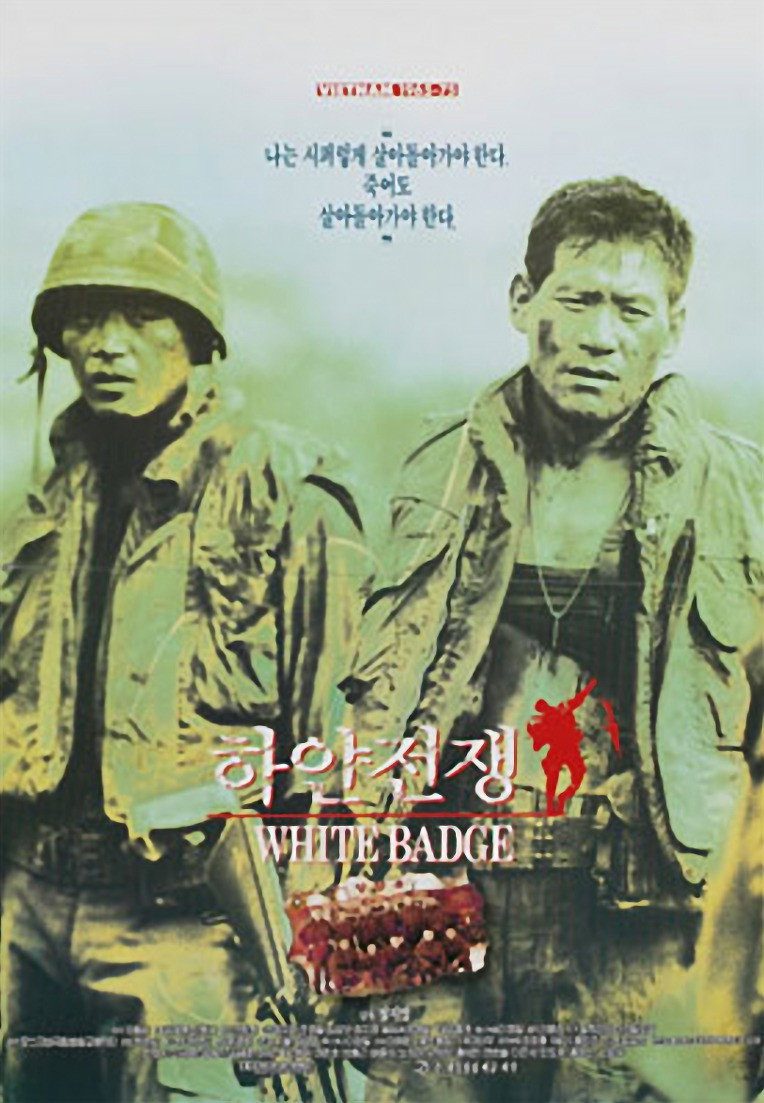
Han Ki-ju (Ahn Sung-ki), a Vietnam War veteran, serializes a war novel in a news magazine by drawing on his memories from that time. Crippled by the aftereffects of the war, his daily life has fallen apart, and his ex-wife plans to leave for the United States with their child. One day, he receives a phone call from Byeon Jin-soo (Lee Kyung-young), a fellow veteran. Jin-soo babbles incoherently saying he has read the novel, and a few days later, a handgun is delivered to Ki-ju’s house. Adapted from Ahn Jung-hyo’s novel of the same name, White Badge was a rare anti-war film in Korean cinema at the time, also suggesting that Korea could have been a perpetrator in the conflict. Having actually majored in Vietnamese in college, Ahn Sung-ki subtly reveals the unstable psyche of a Vietnam veteran beneath a deadpan face. Contrasted with Jin-soo, who suffers from even more severe trauma, few actors could match Ahn’s ability to express the solitude and despair of a man bearing the heavy weight of shared agony.
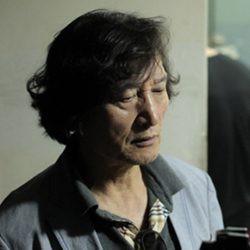
Born in 1946 in Cheongju. He made his feature directorial debut with Mist Whispers Like Women (1982). He went on to direct North Korean Partisan in South Korea (1990), White Badge (1992), and Life of Hollywood Kid (1994), and won Best Film and Best Director at the Tokyo International Film Festival for White Badge. With Unbowed (2011), his comeback film after 13 years, Chung won Best Director at the Blue Dragon Film Awards. He also directed Black Money (2019) and The Boys (2023). His most recent film, My Name (2025), was invited to the Forum section of the Berlin International Film Festival.
From Busan International Film Festival 2026, No. 31