Japanese Classics: TIFF/NFAJ Classics: Kenji Mizoguchi, 1941
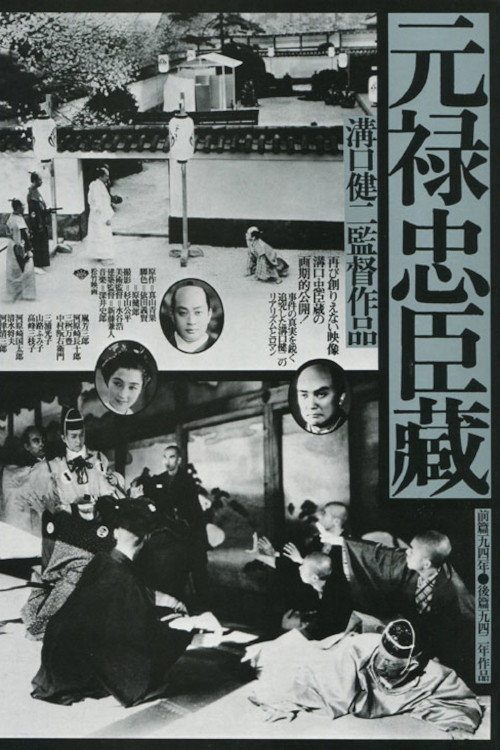
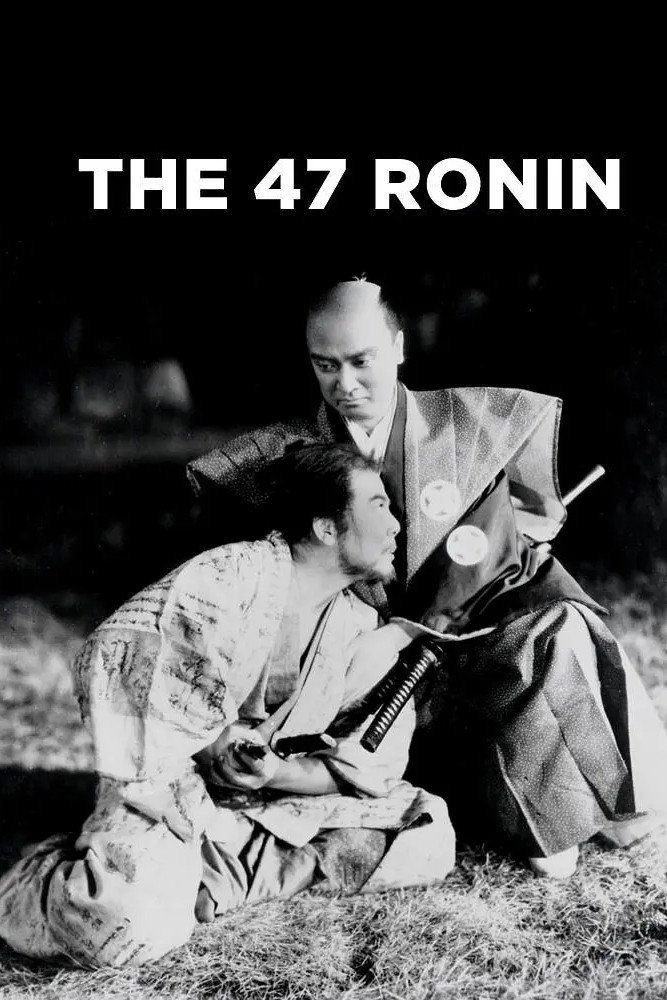
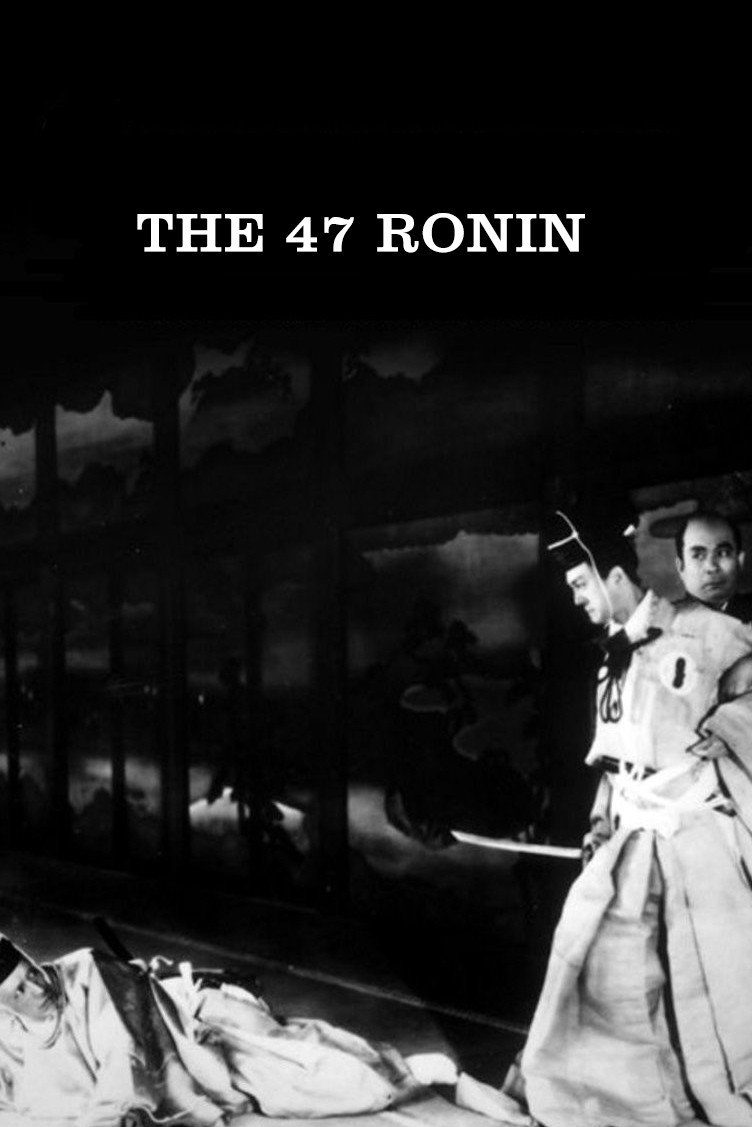
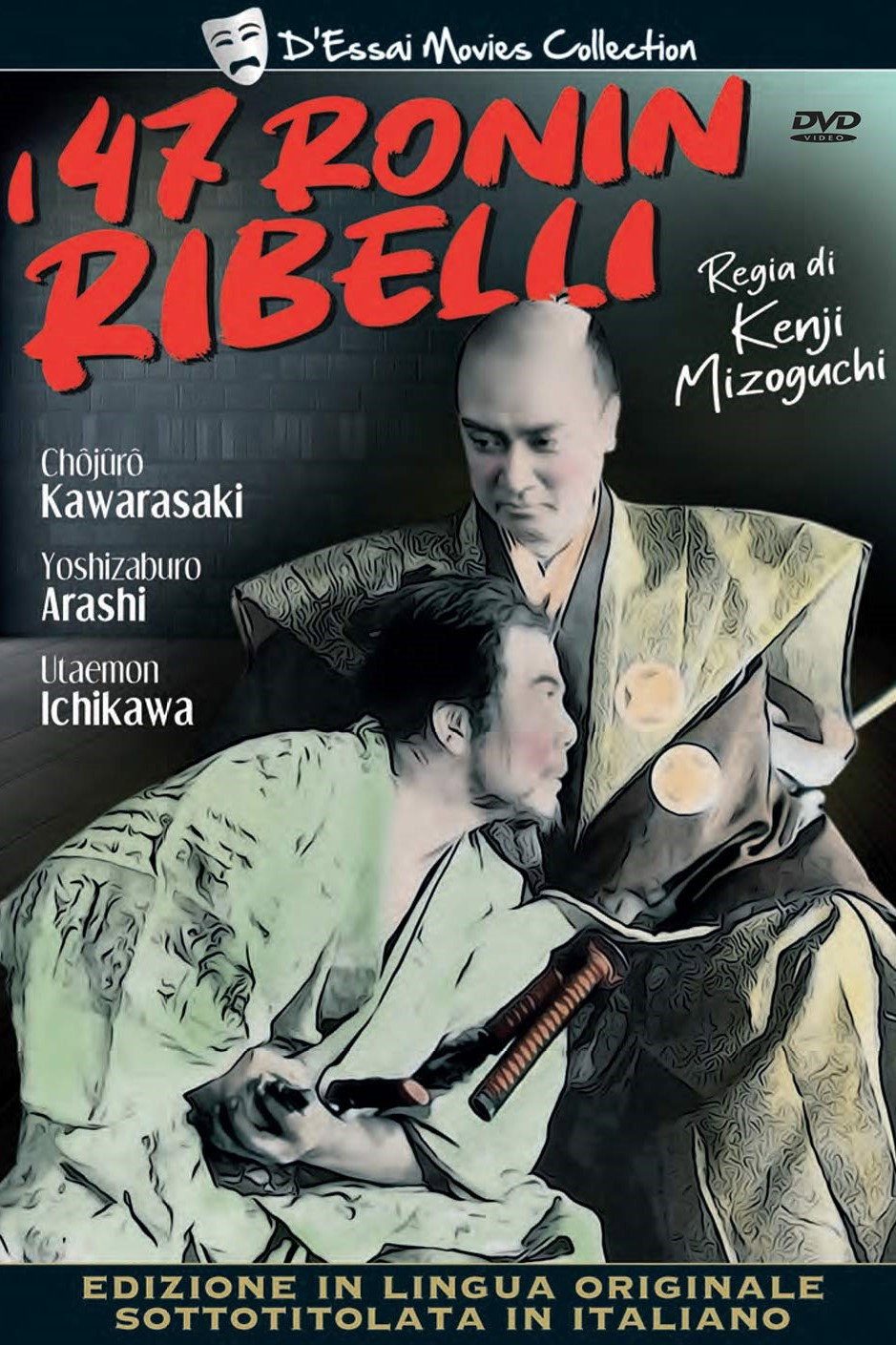
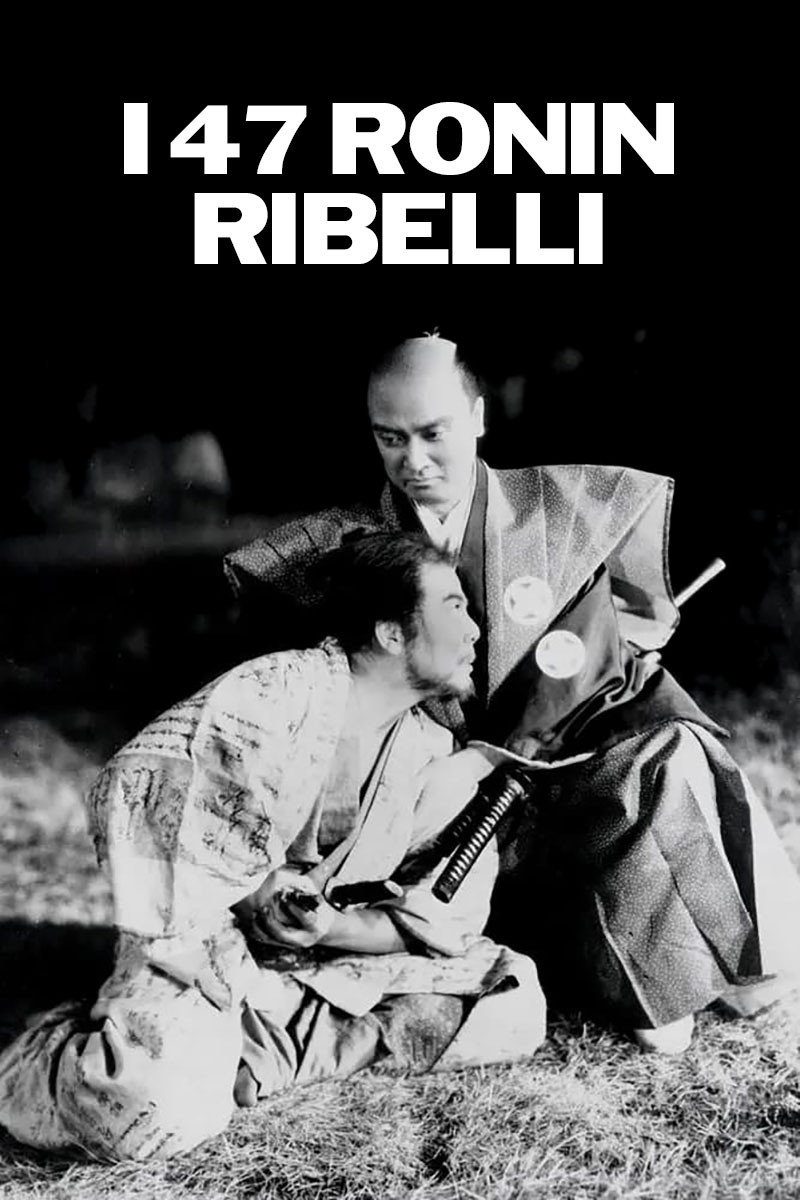
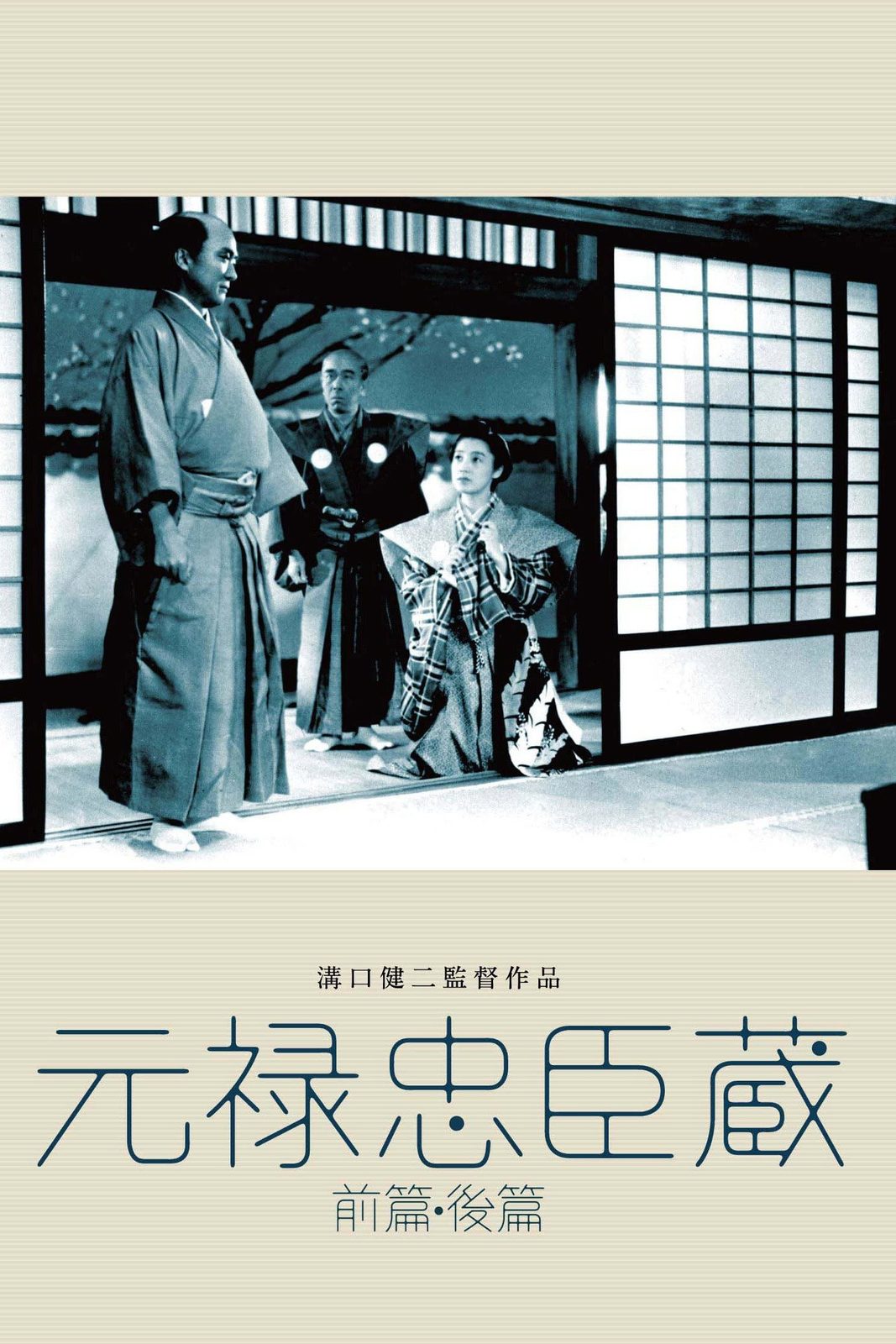
The 47 Ronin: Part One, Two
The 47 Ronin元禄忠臣蔵・前篇/後篇
Director Mizoguchi Kenji
0Watchlist
★Avg. rating
Score
Official selection
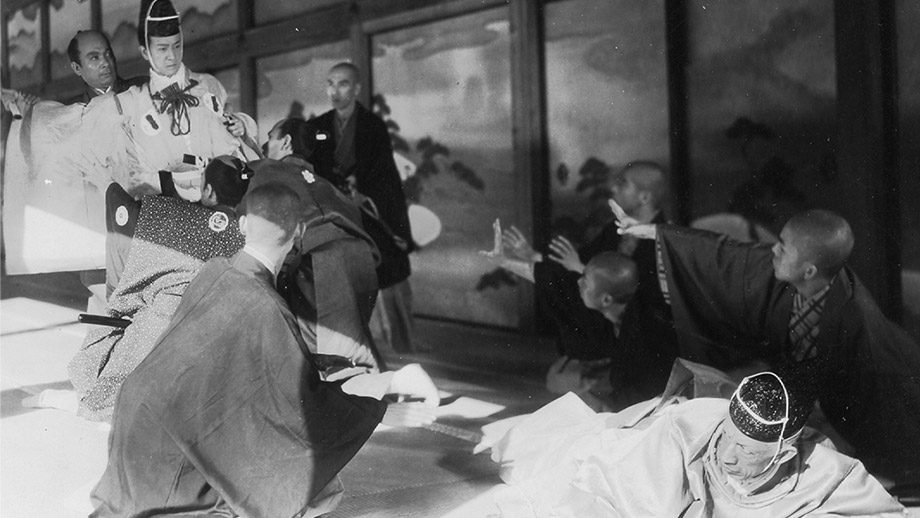
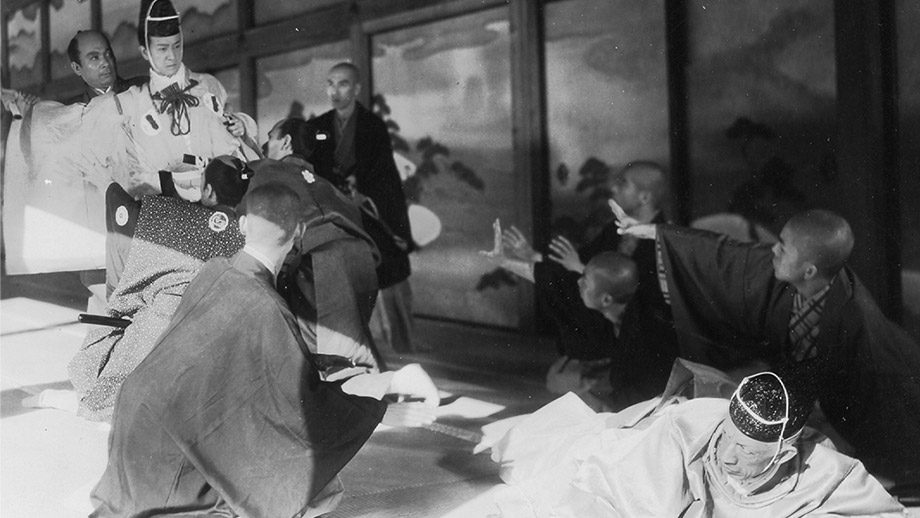
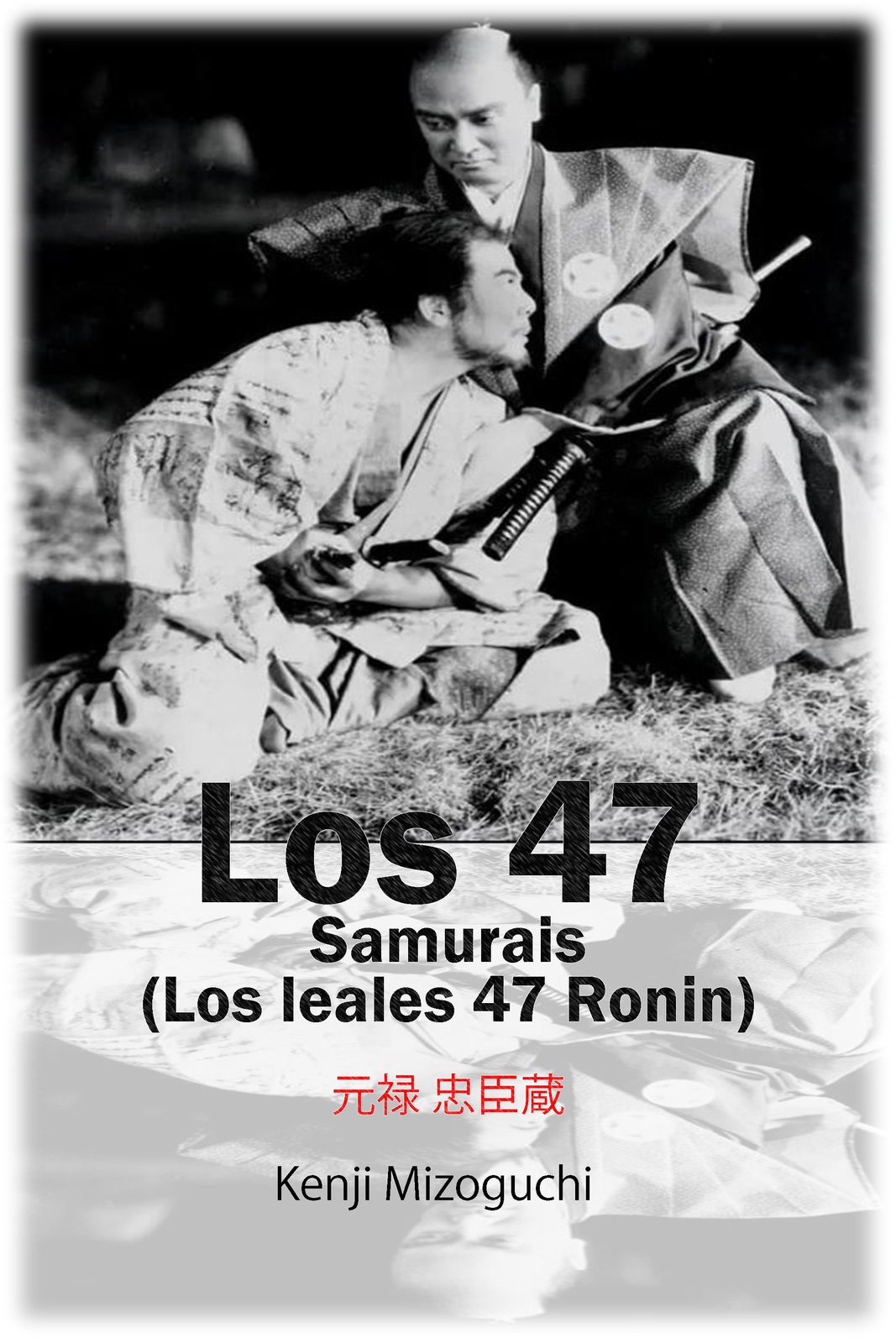
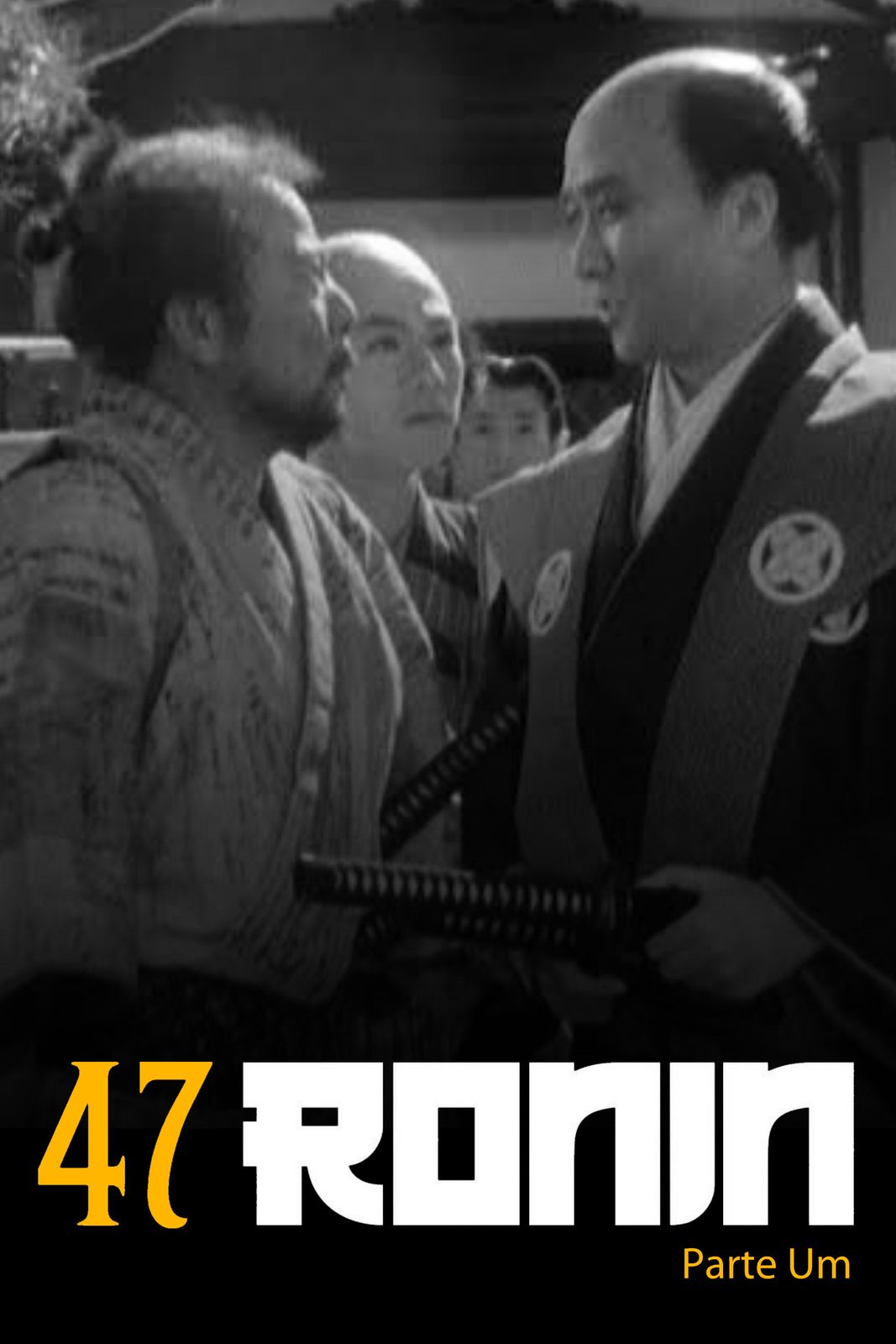
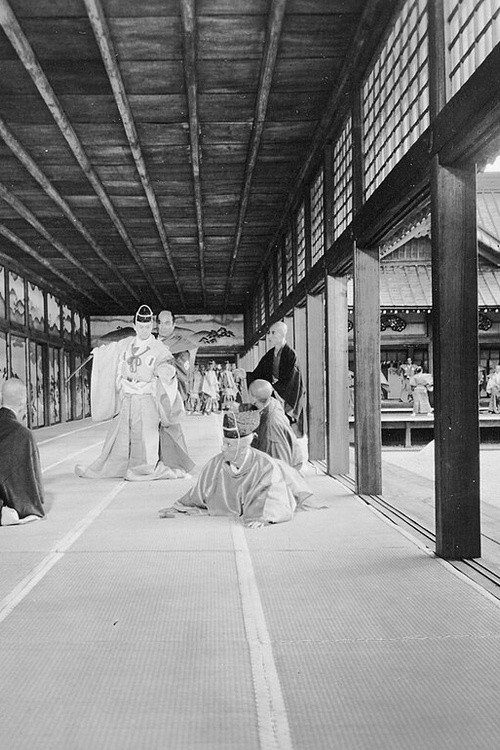
[Part One] Rather than adapting the familiar kabuki and cinematic tale of "Chushingura (The Treasury of Loyal Retainers)," with its conventional themes of good triumphing over evil, Mizoguchi instead looked to Mayama Seika's meticulously researched and historically grounded drama of the same story. Eschewing the spectacle of sword fights and the famous raid, the film focuses instead on the inner conflicts of its characters and the spaces of power inhabited by the samurai class. Through painstaking historical reconstruction—including a full-scale recreation of the Matsu no Oroka (Great Pine Corridor) at Edo Castle—the film transcends traditional period drama conventions to emerge as a distinctive work of historical cinema.
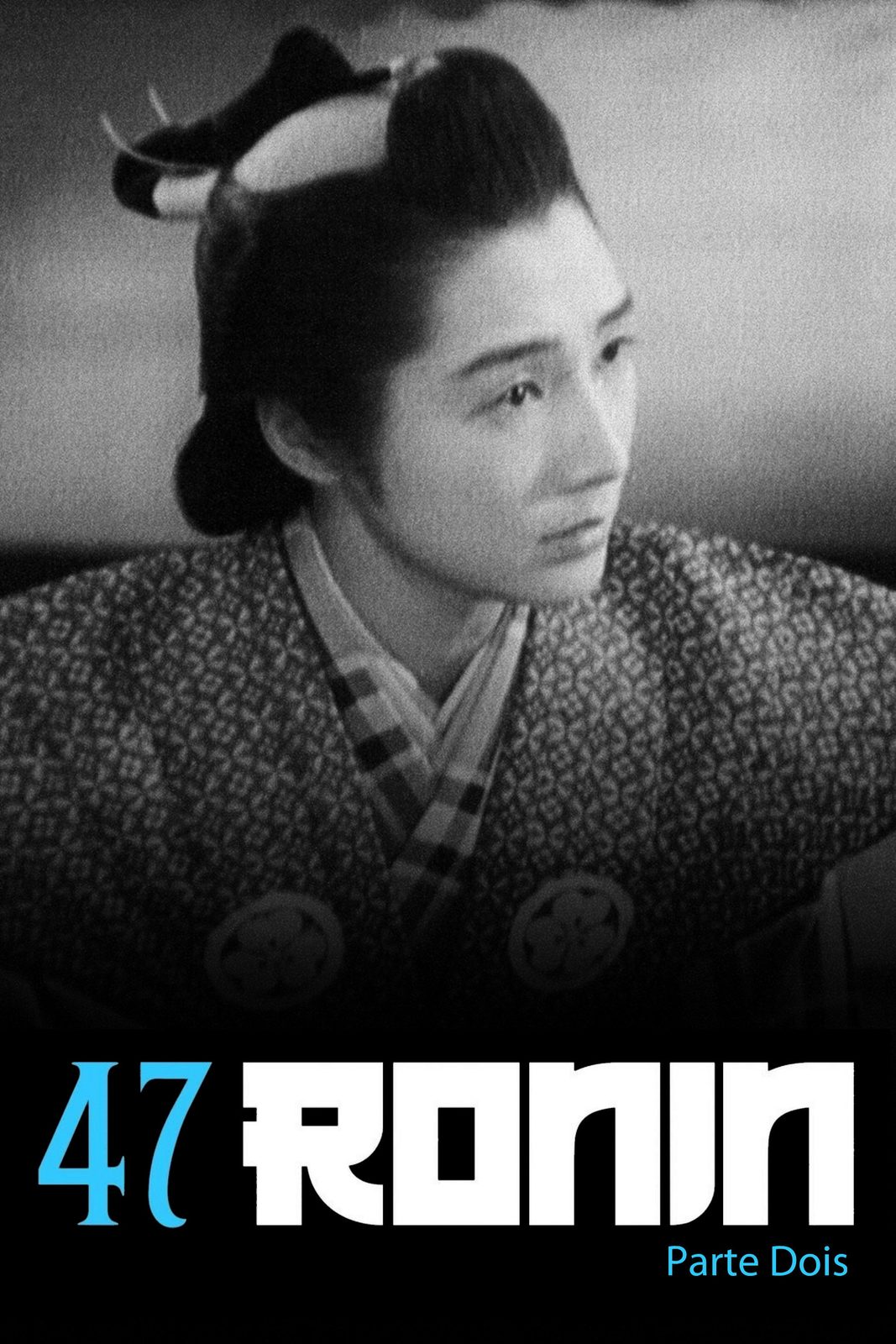
[Part Two] Known as the film in which Mizoguchi, declaring that he would "not film spectacle," famously omitted the climactic raid on Kira's mansion—even after completing the elaborate set for said location. The controlled performances and precise movements of the Zenshinza theater troupe actors bring to the fore both the governing principles of the samurai class and the inner conflicts of the Ako ronin. Following the absorption of Koa Eiga into Shochiku as Japan's film industry was consolidated under the wartime system, the production of this second part was taken over by Shochiku.
Print courtesy of The Japan Foundation
Mizoguchi was born in Tokyo in 1898. Following his debut in 1923, he was noted for Kaminingyo Haru no Sasayaki (1926). After Osaka Elegy and Sisters of the Gion (1936), he won the International Award for The Life of Oharu (1952), the Silver Lion for Ugetsu Monogatari (1953), and Sansho Dayu (1954) at the Venice Film Festival, making his name known globally. He died suddenly in 1956 at the age of 58.
From Tokyo International Film Festival 2026, No. 39